


 Written by
Galion is undergoing one of the most consequential infrastructure investigations in its modern history.
The citywide smoke testing operation ordered by the Ohio Environmental Protection Agency has uncovered widespread failures in the underground systems that carry away sewage and stormwater.
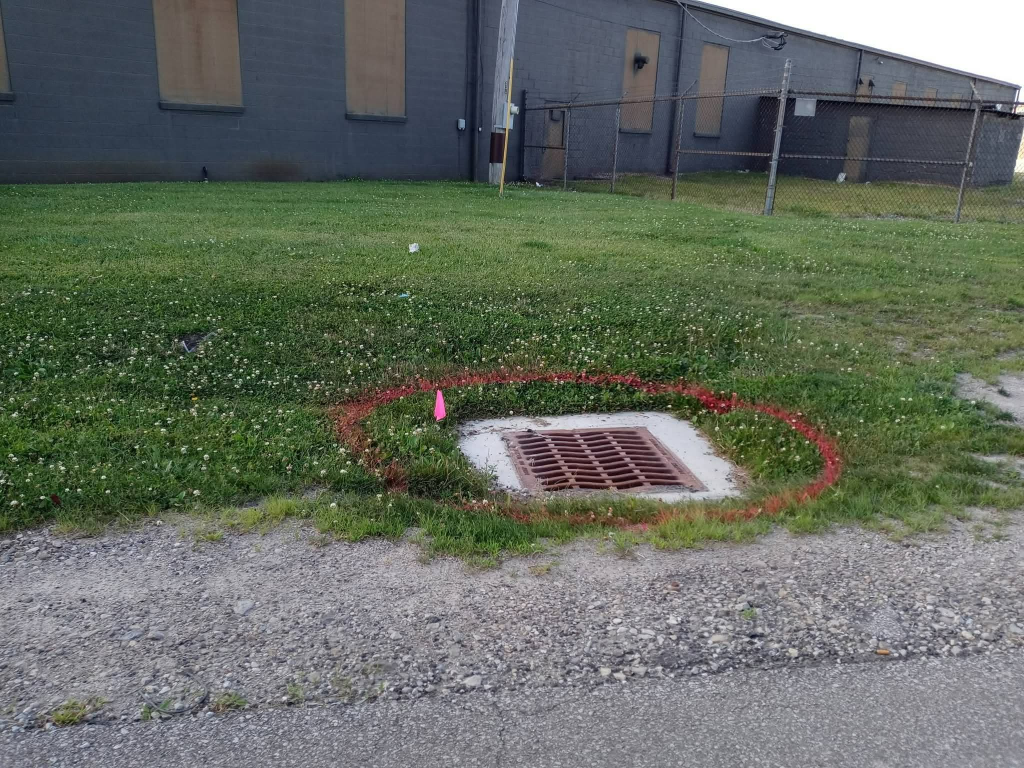
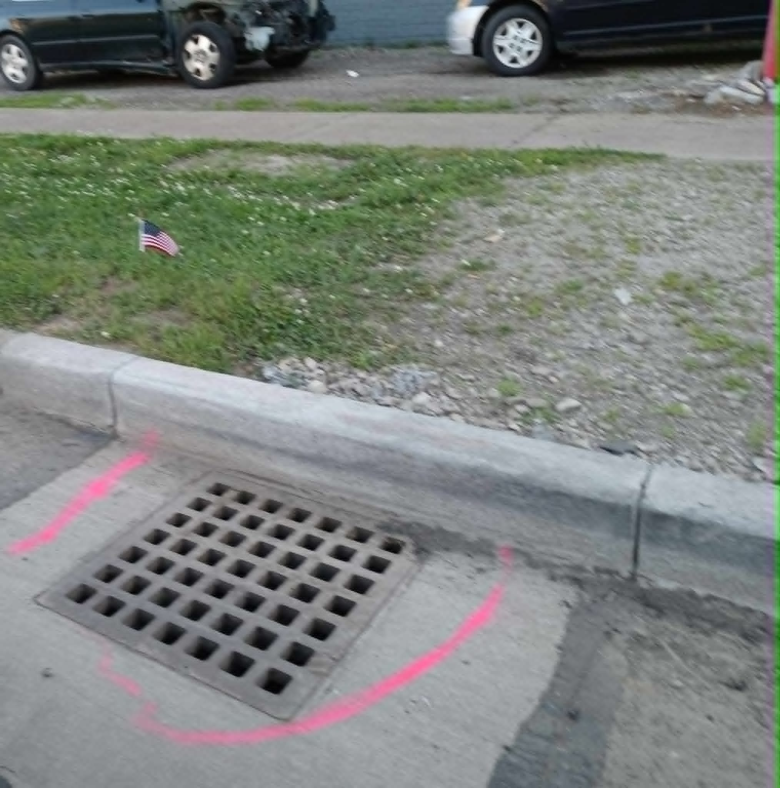
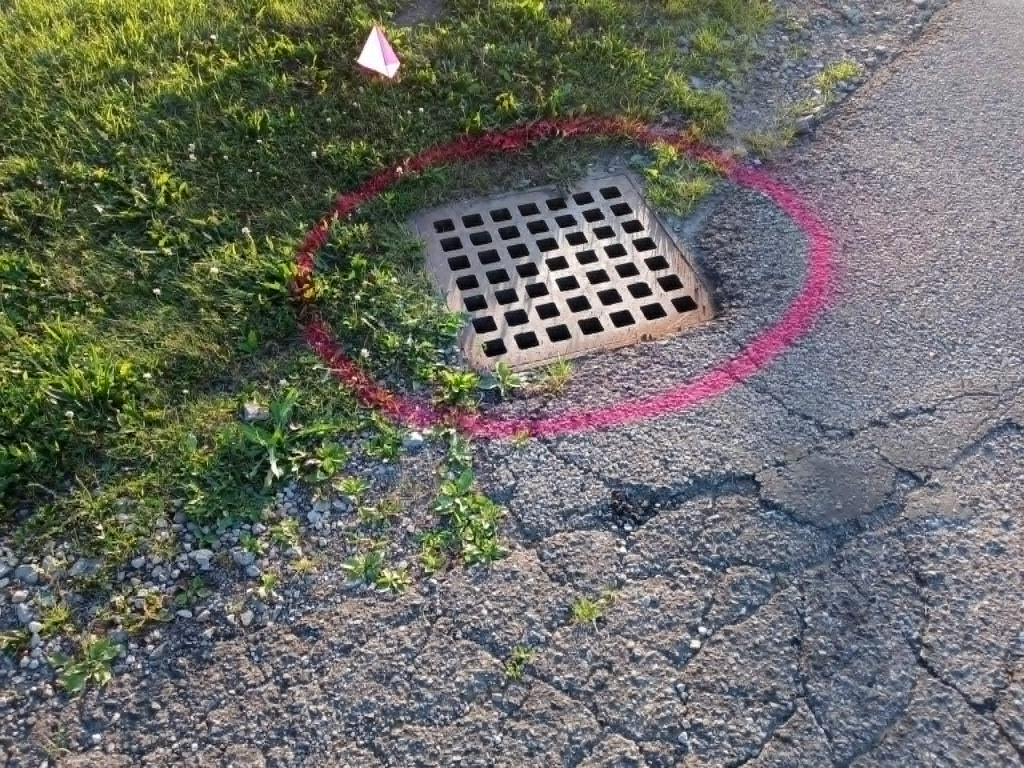
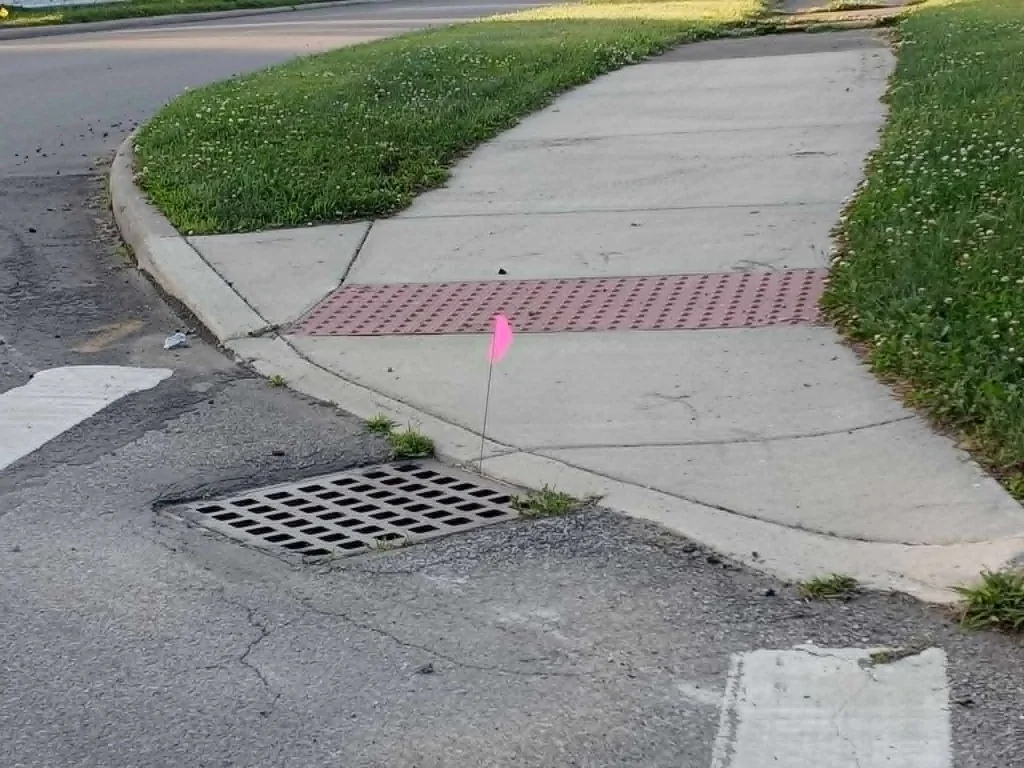
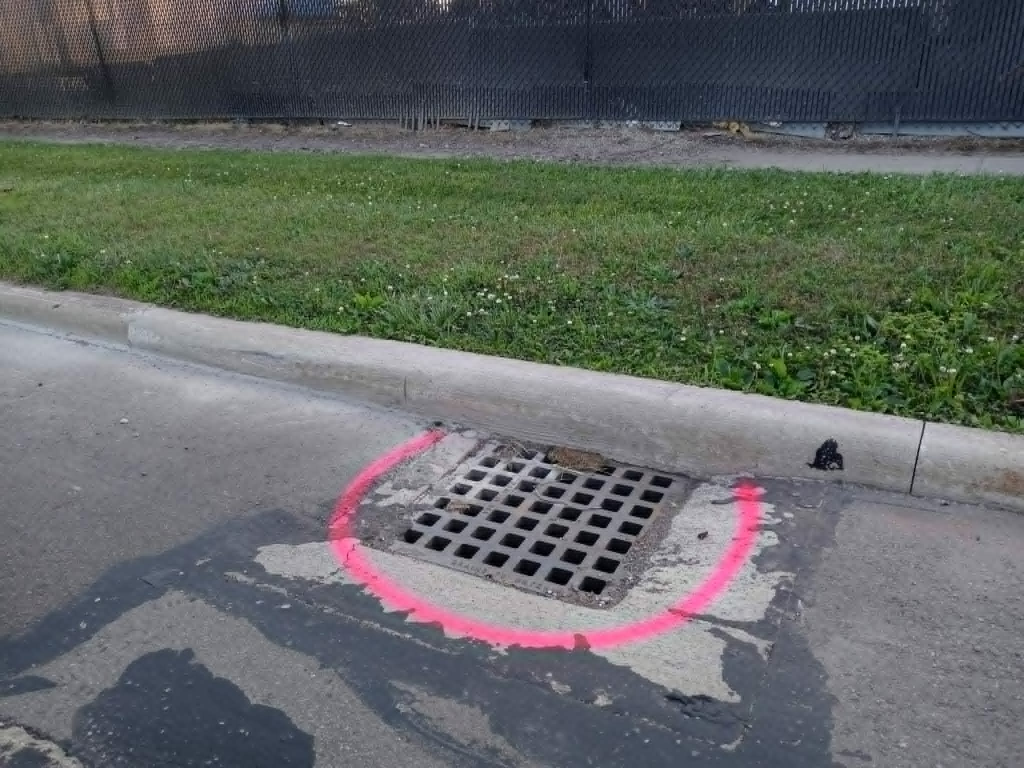
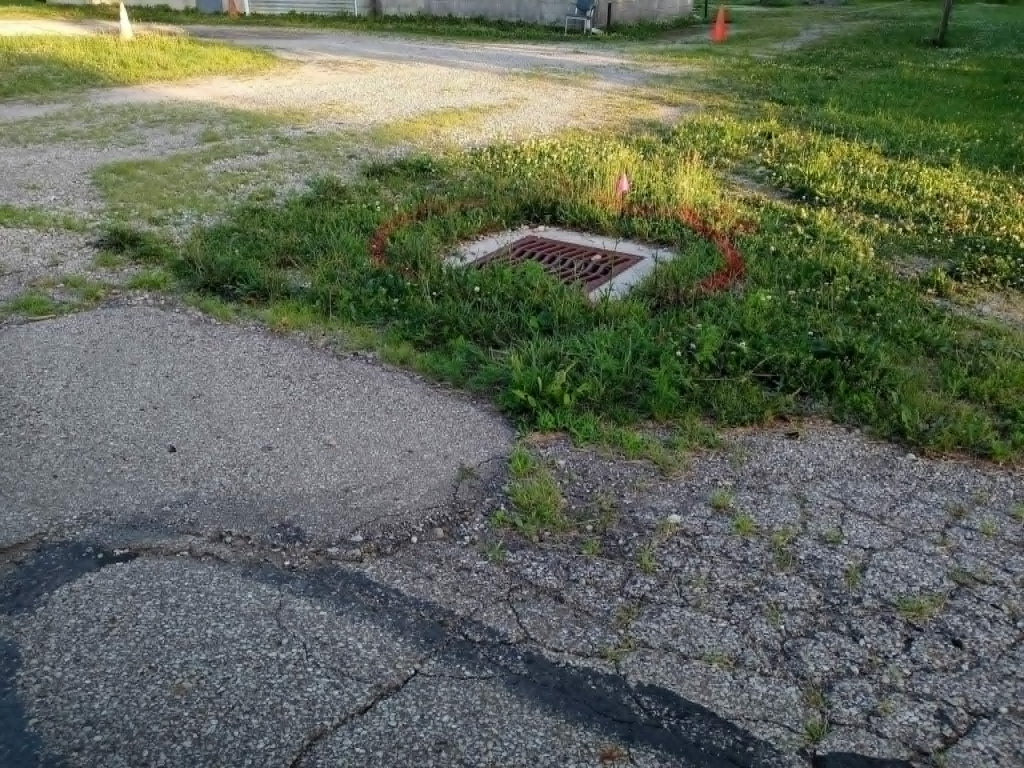
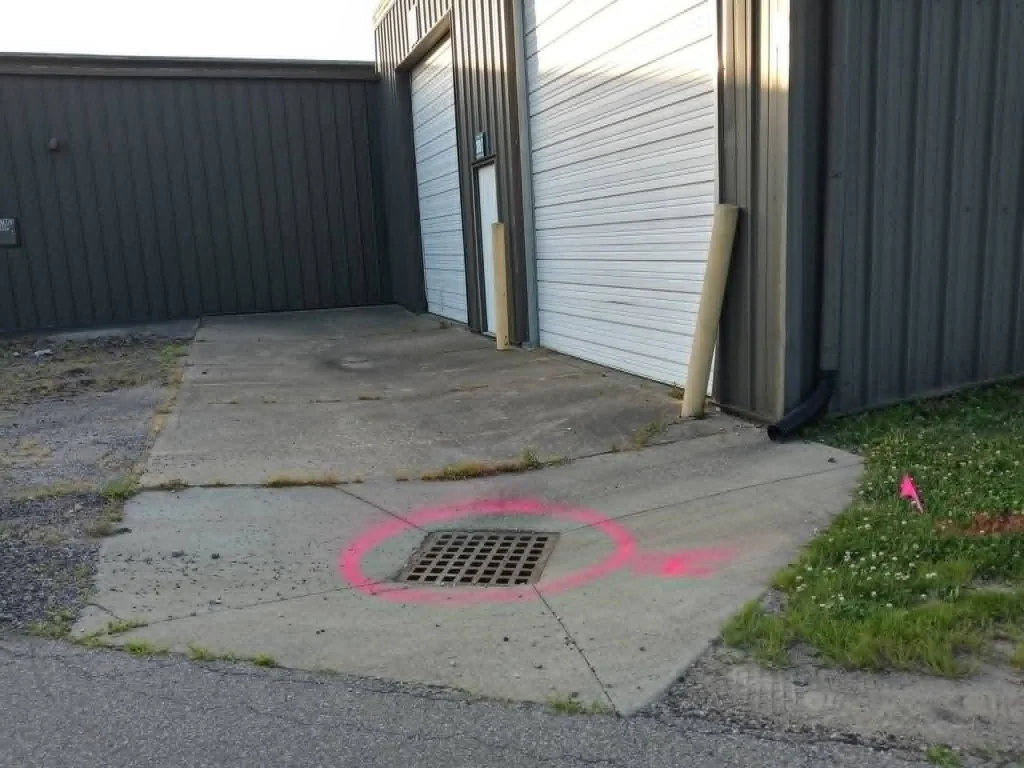
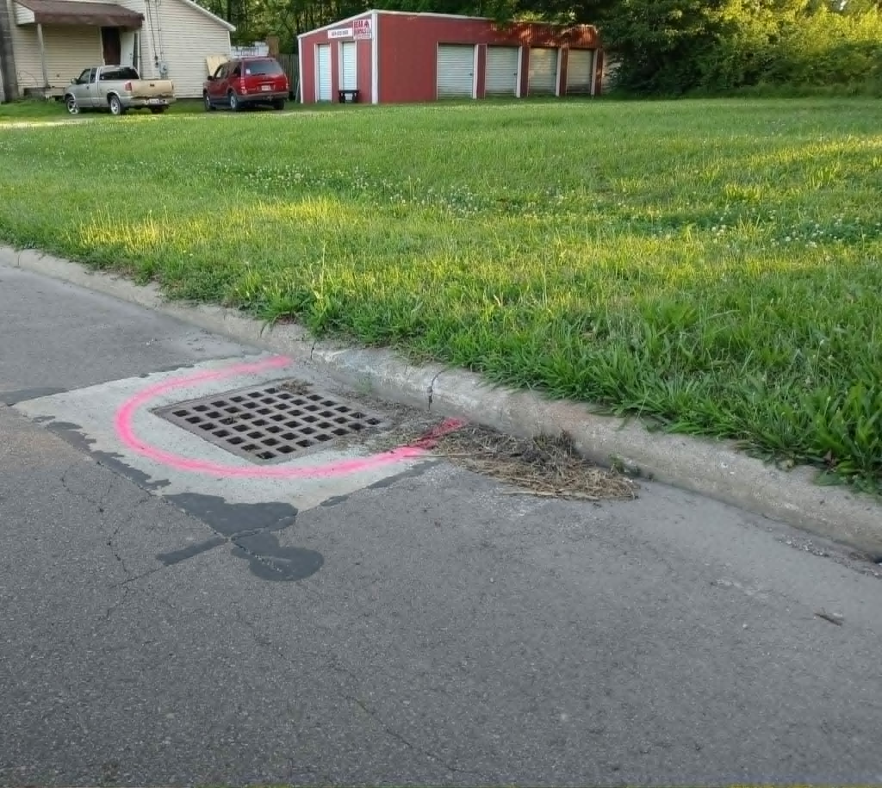
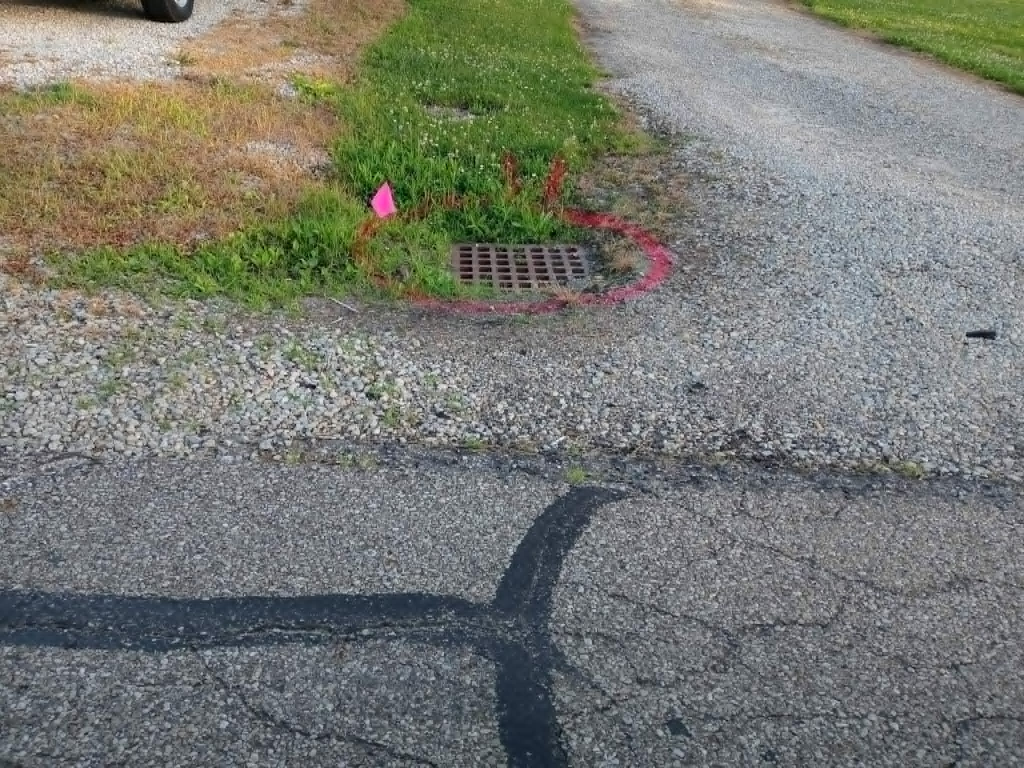
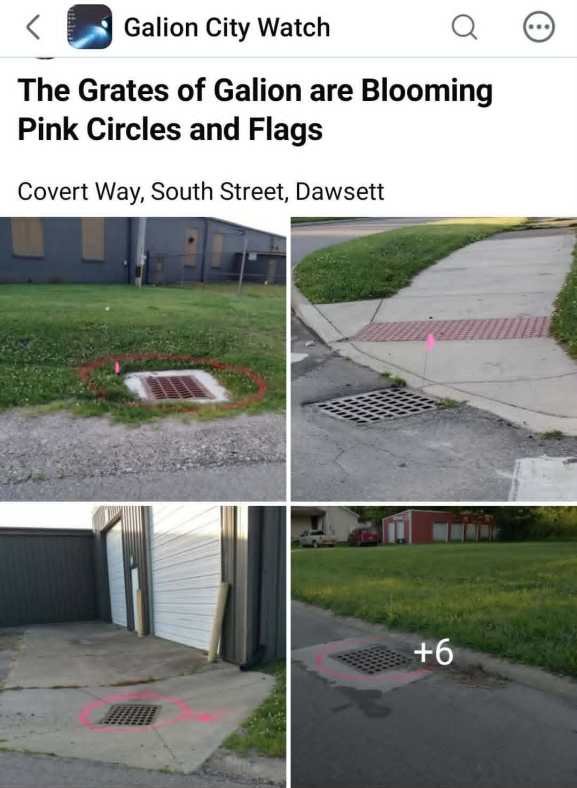
Pink flags and circles of paint are appearing across neighborhoods, parks, business districts, and industrial zones.
These markings are not routine construction indicators. They are physical evidence of structural breakdowns that threaten public health, property values, and the long term stability of the city.
This investigation explains in detail what the smoke testing is revealing, why the failures are dangerous, how they affect homes and businesses, and what the long term consequences may be for residents and the city as a whole.
Citizen Submitted Photos
CLICK ON THE IMAGE TO ENLARGE

Why Galion Is Smoke Testing Its Sewers
The Ohio EPA Compliance Requirement
The Ohio Environmental Protection Agency requires cities to identify and correct major flaws in their sanitary sewer systems. Galion hired Wessler Engineering to conduct smoke testing across the entire community. The purpose is to locate structural failures, cross connections, and inflow and infiltration problems that overwhelm the wastewater treatment plant and contaminate the environment.
How Smoke Testing Works
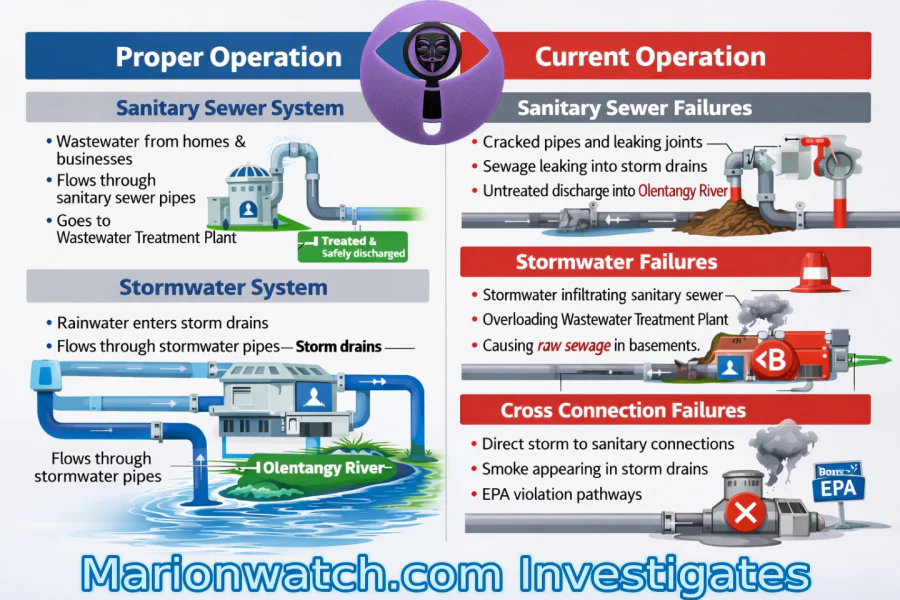
Crews push thick non toxic smoke into sanitary sewer lines. In a properly functioning system, that smoke should travel through underground sanitary pipes and exit only through roof vents on buildings.
If smoke appears anywhere else, it proves a failure.
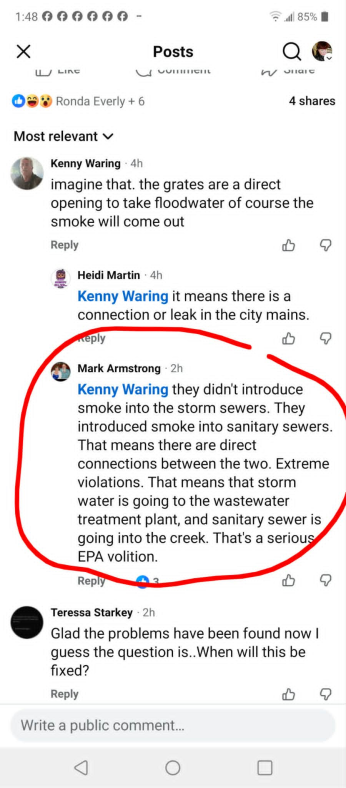
If smoke comes out of a storm drain, it means sanitary sewage and stormwater systems are connected or leaking into each other.
If smoke rises from cracks in pavement, yards, or foundations, it means pipes are broken, joints have failed, or manholes and brickwork are deteriorating.
Every failure point is marked with pink spray paint and or a pink flag. These marks are the city’s visual receipts of underground damage.
Where The Pink Flags Are Appearing
Industrial Zones
In the southeast industrial footprint, widespread failure markings have appeared around Covert Manufacturing, a long-standing well respected manufacturer in Galion, and along its namesake Covert Way, as well as South Street, and Dawsett Avenue.
These areas contain large buildings, heavy equipment, and complex internal drainage systems.
Failures here can indicate problems with private industrial foundation drains, internal storm systems, or improperly installed utility lines.
Residential And Mixed Use Streets
Citizen photos show storm grates and catch basins wrapped in pink paint circles.
These drains are supposed to carry only rainwater.
Smoke appearing in them proves that sanitary sewage is entering the stormwater system or stormwater is entering sanitary pipes.
Recreational Areas And Public Spaces
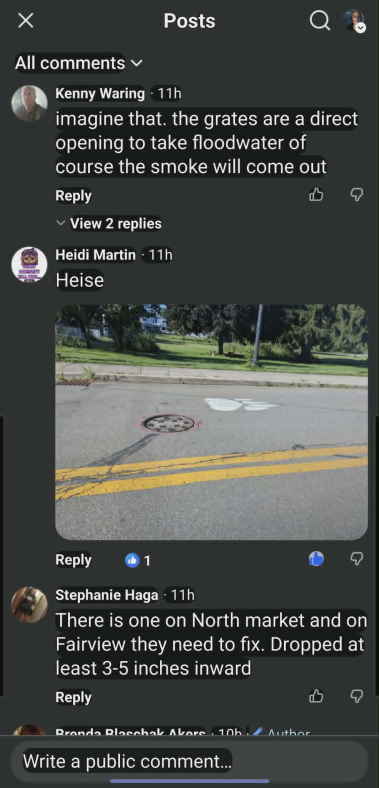
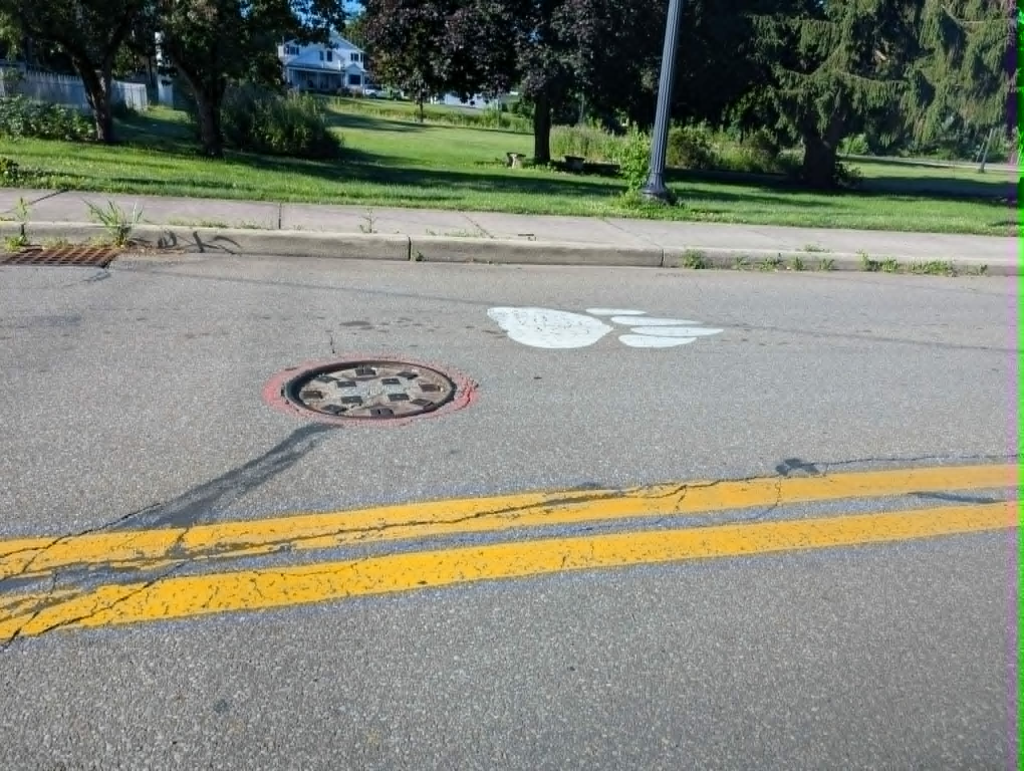
Near Heise Park, a manhole next to the painted paw print has been flagged. Residents have also reported sinking pavement, dropping three to five inches, from North Market and Fairview to Jefferson and Church Streets.
Sinking pavement is a sign that soil beneath the road is being washed away by leaking pipes, creating hollow spaces that eventually collapse.
The most alarming detail is that many pink markings are on stormwater grates.
That should never happen in a properly separated system.
How Stormwater Is Supposed To Work
Stormwater systems exist to move rainwater off streets, parking lots, and private property as quickly as possible to prevent flooding. Water enters through street grates and catch basins. These structures trap debris so pipes do not clog. The water then flows through underground storm pipes.
In Galion, stormwater is discharged directly into creeks and surface waters or routed into stormwater retention basins. Retention basins slow runoff during storms and allow sediment to settle. They do not disinfect or treat water.
If sanitary sewage is leaking into storm lines, raw human waste is being routed directly into retention basins and local waterways. That turns stormwater ponds into stagnant pools of diluted sewage and sends contamination into the broader watershed.
The Two Way Street Of Contamination
Stormwater Flooding The Sanitary Sewer System
Galion’s wastewater treatment plant is designed to handle an average of 1.3 million gallons per day, with a maximum capacity of 2.7 million gallons. Heavy rainfall introduces millions of extra gallons through inflow and infiltration. Every cracked pipe, broken joint, improperly connected sump pump, and cross connected line adds to the surge.
When the plant is overwhelmed, sewage has nowhere to go. The sanitary sewer network fills to the brim. Pressure builds. Eventually, sewage is forced backward through residential lateral lines.
That is when basements flood with raw sewage.
Residents who experience repeated basement backups are not dealing with household plumbing issues. They are living at the end of a system that is being overwhelmed by stormwater that should never have entered sanitary pipes.

Raw Sewage Escaping Into Storm Drains
If stormwater can leak into sanitary lines, then sewage can leak out of them. Storm drains discharge directly into creeks, ditches, and retention basins without passing through the wastewater treatment plant. When sewage enters those lines, it bypasses treatment entirely.
This contamination carries pathogens such as E coli, viruses, and parasites. It can also carry chemicals, oils, and industrial pollutants. Children play near creeks and ponds. Pets drink from puddles. Wildlife depends on local waterways. People walk, fish, and spend time near these areas.
When those waters are contaminated with sewage, the risk of illness rises.
Sinking Streets And Hidden Voids
Reports of streets sinking three to five inches in areas such as North Market, Fairview, Jefferson, and Church Streets are another visible symptom of underground failure. When pipes leak, water escapes into surrounding soil. Over time, that water washes away fine particles and creates voids. The soil loses its ability to support pavement and traffic.
Eventually, the surface collapses into the hollow space.
What looks like a simple dip in the road can be the top of a much larger cavity. In extreme cases, this process can lead to sinkholes, broken utilities, and dangerous conditions for drivers and pedestrians.
The New Build Red Flag
Some of the failing grates and marked storm structures belong to newly installed storm sewer projects. Old clay pipes cracking due to age is expected. New utility lines failing is not.
When brand new storm or sanitary lines are found to be cross connected, leaking, or structurally compromised, it points to serious breakdowns in engineering oversight, contractor performance, and municipal inspection.
New projects are supposed to be designed to modern standards, carefully inspected, pressure tested, and verified before being buried and paved over. If smoke testing reveals failures in recent installations, it raises questions about design flaws, supervision, inspection quality, and possible cost cutting.
Who Should Pay For The Repairs
The repairs required to correct widespread sewer and stormwater failures will likely reach into the millions of dollars.
The central question is who pays.
If failures stem from historical city negligence, poor maintenance, or deferred investment, the city bears responsibility. That often means ratepayers and taxpayers are asked to shoulder the cost through higher utility bills or debt.
If private contractors installed faulty infrastructure, they may be legally liable. That could involve contract disputes, insurance claims, and legal action.
If industrial property owners have internal drainage systems or private storm structures that are cross connected or leaking into sanitary lines, they may be held responsible for correcting those failures.
Several flagged grates are located inside private industrial property lines. Those are not public assets. They belong to corporations and private owners. If those internal systems contribute to contamination or inflow and infiltration, the city must enforce corrective action.
The Psychological Impact On Residents
Beyond the technical details, there is a human side to this crisis. Residents are being asked to trust that the water leaving their homes is safely handled and that the drains in their streets are functioning properly. The pink flags tell a different story.
Basement backups turn personal spaces into hazardous zones.
Retention basins become suspected pools of sewage.
Creeks and ditches become potential exposure points for disease.
Sinking streets raise fears about safety and property damage.
Every new pink mark is a reminder that something underground is broken.
This kind of constant anxiety erodes confidence in local government, contractors, and the basic promise that public infrastructure exists to protect the community.
What Happens Next
After the July 4th pause, Wessler Engineering will complete its quadrant by quadrant evaluation and deliver a comprehensive map of every failure point to Galion City Council.
This report will determine which repairs are urgent, which can be phased, which failures must be enforced on private owners, how much the total repair package will cost, and how quickly the city must act to satisfy Ohio EPA requirements.
The decisions made in council chambers will shape Galion’s future. They will determine whether the city confronts this crisis directly or tries to patch it piecemeal.
They will reveal whether accountability is taken seriously or avoided.
Why This Matters For Galion’s Future
Infrastructure is the hidden backbone of a community. When it fails, the effects ripple outward. Public health suffers. Property values decline. Insurance claims rise. Trust in local government erodes. Economic development becomes harder when businesses see a city struggling with basic utilities.
The pink flags scattered across Galion are warnings.
Galion residents have repeatedly said that these warnings have been present for several decades, but former administrations failed to take corrective action leading to a drastic decline in the condition of equipment, and thus safety.
They show a sewer system compromised by years of neglect and overwhelmed by stormwater.
They reveal failures in both aging and newly installed infrastructure.
They expose a looming financial reckoning for the city, its contractors, and its industrial property owners.
Most importantly, they make visible a problem that has been hidden underground for too long.
Residents deserve clear answers, honest documentation, and a repair plan grounded in engineering reality rather than political convenience.
They deserve to know who is responsible, who will pay, and how quickly the risks to their homes, health, and environment will be reduced.
The smoke has already shown where the cracks are. Now the question is whether Galion will truly fix them.