

 Written by
Introduction: The Unseen Foundation of Civic Life
A municipality’s true strength is not measured by the statements made at City Council; it is measured by the heavy machinery operating silently beneath its streets. When the massive pumps, digesters, clarifiers, and industrial valves of a wastewater system function properly, civic life continues uninterrupted. The structural foundation of public health relies entirely on this continuous, automated processing of human and industrial waste. But in Galion, Ohio, that structural foundation has been run into the ground.
Investigative reporting, such as the efforts undertaken by Marion Watch, should always operate on a single, uncompromising principle: stand as a watchman on the wall, demand verifiable receipts, and expose the truth when local government prioritizes administrative survival over transparency, accountability, or public safety. Today, the receipts point to an undeniable physical reality. The City of Galion’s vital wastewater and water treatment machinery has suffered a catastrophic, mechanically destructive collapse.
This is not a story of natural wear and tear, nor is it a standard narrative of aging infrastructure organically reaching the end of its life cycle. It is a documented account of long term internal mismanagement that physically destroyed multi-million-dollar taxpayer assets, culminating in the resignation of a thirty-year veteran Class III Wastewater Superintendent, Patrick Hickman. The situation unfolding provides a stark, documented case study of what occurs when the mechanical heart of a city is subjected to chemical abuse and operational neglect. By analyzing the biological death of one of the city’s anaerobic digesters, the mechanical devastation of its pumping networks through chemical scaling, the financial reckoning represented by sudden multi-million-dollar emergency bonds, and the severe public health hazards now threatening the local ecosystem, a clear and alarming narrative emerges. This report delivers an exhaustive investigation into the mechanisms of wastewater digester failure, the chemical causes of equipment destruction, and the cascading public health disasters that inevitably follow when untreated biological waste bleeds into community waterways, utilizing nationwide case studies to contextualize the severity of the crisis.
The Digesters: The Death of the Plant’s Biological Engine
The most severe casualty of Galion’s infrastructure crisis, that is currently documented, is the total failure of one of the Wastewater Treatment Plant’s (WWTP) anaerobic digesters. Mr. Hickman directly advised MarionWatch.com that the Galion facility operates only two anaerobic digesters. According to the design requirements adopted by the Ohio EPA, wastewater treatment facilities must be capable of operating continuously during equipment failures or routine maintenance. To achieve this, Ohio follows the “Ten States Standards” (Recommended Standards for Wastewater Facilities), which explicitly mandate in Section 84.11 that “multiple units or alternate methods of sludge processing shall be provided” for anaerobic digestion. Therefore, a facility like Galion’s is legally supposed to have at least two functional digesters—or an approved alternate processing method—to ensure the plant does not lose its biological treatment capabilities if one unit fails.
In the field of municipal environmental engineering, an anaerobic digester does not merely store waste; it serves as the central biological engine of the facility. It relies on a highly calibrated, living ecosystem where specific anaerobic microorganisms stabilize, neutralize, and reduce solid biological waste, transforming highly volatile, pathogen-rich sludge into stabilized biosolids and manageable gases. To comprehend the magnitude of a digester’s failure, one must understand the delicate microbiological sequence that defines anaerobic digestion. This sequence occurs in four strictly interdependent stages, each relying on the successful biological output of the previous stage.
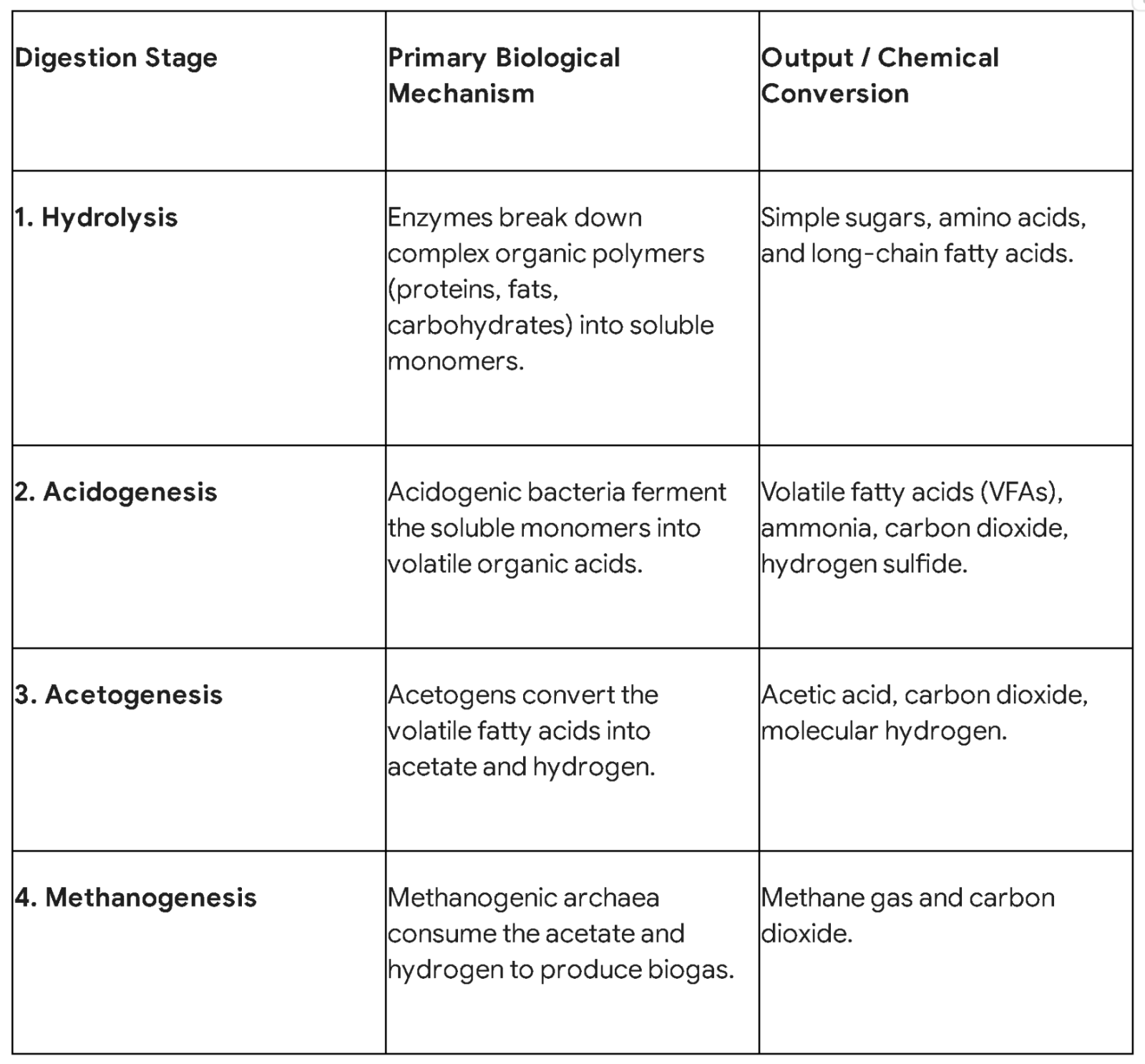
The final stage, methanogenesis, is the most fragile and environmentally sensitive phase of the entire wastewater treatment process. Methanogenic archaea operate within an extremely narrow physiological window. They require strict temperature controls, a neutral pH balance typically ranging from 6.8 to 7.2, and are highly susceptible to chemical toxicity. If the methanogens are killed or suppressed, the preceding bacteria continue to produce volatile fatty acids. Because these acids are no longer being consumed, the pH of the entire system plummets, creating a hyper-acidic environment that subsequently kills off the rest of the beneficial biological culture.
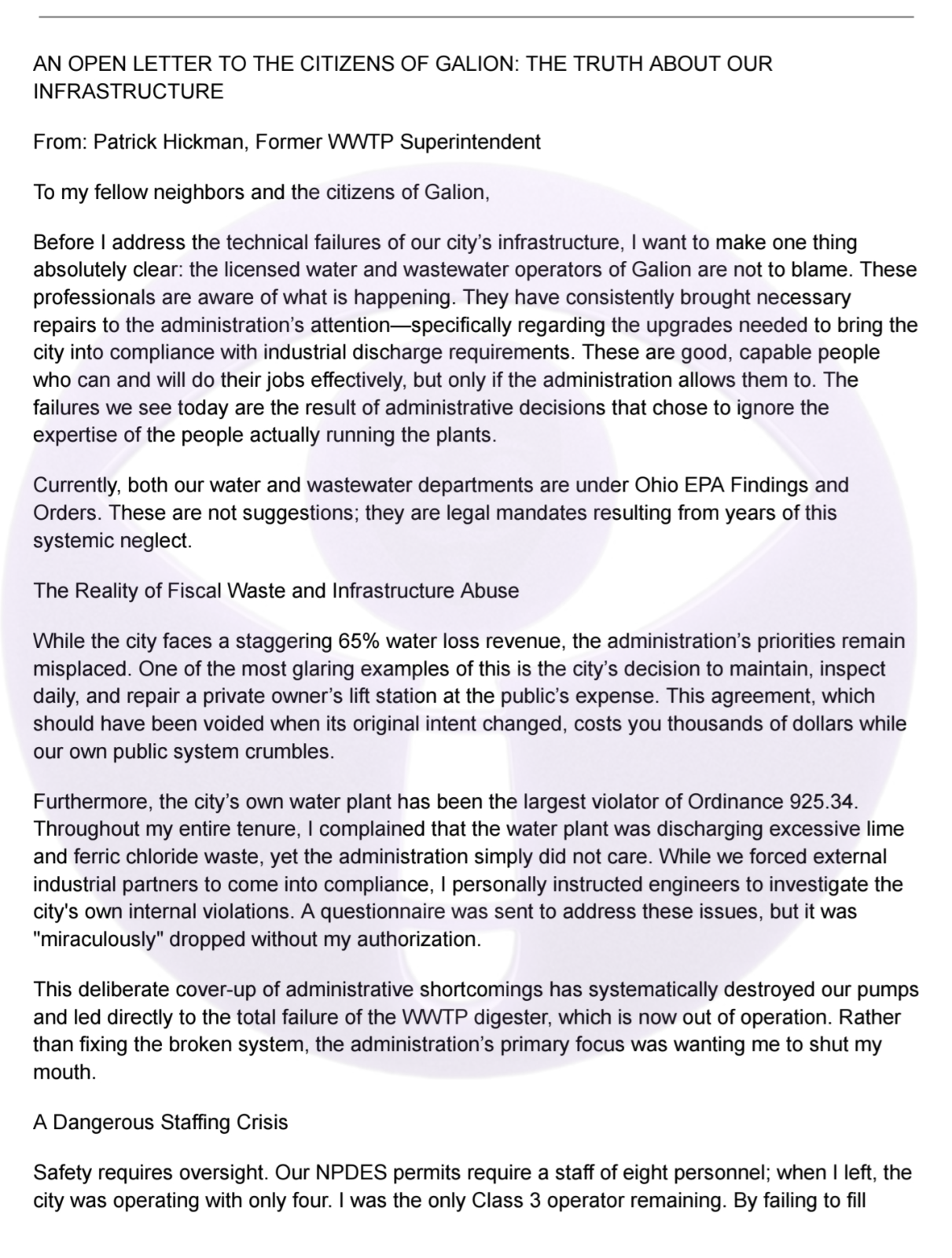
Hickman’s whistleblower disclosures confirmed that this indispensable piece of machinery in Galion is effectively dead. The digester did not just break down mechanically; it was subjected to an unrelenting chemical bombardment that likely killed its biological processes. The city’s own Water Treatment Plant severely violated Galion’s municipal code—specifically Ordinance 925.34, which governs the introduction of industrial waste into the sanitary network. For an extended period, the water plant discharged excessive volumes of highly abrasive lime (calcium hydroxide) and corrosive ferric chloride directly into the sanitary sewer system.
When these extreme chemical loads enter the digester, the biological impact is immediate and devastating. Scientific literature governing anaerobic processes strictly defines the limits of calcium tolerance in biological sludge. Research demonstrates that when the calcium ion concentration in granular sludge exceeds 200 milligrams per liter, the abundance of Ruminococcaceae—an essential bacterial family responsible for the critical hydrolysis stage—is drastically reduced. Furthermore, excessively high calcium concentrations directly and aggressively suppress methanogenic activity, effectively halting the final stage of digestion. Simultaneously, the introduction of poorly diluted ferric chloride drastically alters the oxidation-reduction potential of the biological sludge. While trace amounts of ferric chloride are occasionally used in advanced wastewater operations for localized odor control or phosphorus binding, bulk dumping creates chemically toxic conditions that shock and kill the anaerobic bacteria required to process the city’s waste.
Without these microorganisms, the sludge cannot be neutralized. It turns “sour,” septic, and highly volatile. A sour digester represents a total systemic failure. The plant is left with a massive, accumulating volume of raw, putrefying human waste that it cannot legally or biologically process. Recovering a dead digester is a highly complex undertaking, often requiring 30 to 60 days of intensive intervention. Operators must manually add alkaline compounds, such as sodium bicarbonate or carefully titrated lime, to neutralize the lethal accumulation of acids, followed by the costly importation of “seed sludge” from a functioning neighboring municipality to attempt a restart of the biological culture. During this catastrophic downtime, the municipality is forced into emergency, highly expensive disposal methods just to keep the primary holding tanks from overflowing into the streets.
Cavitation and the Destruction of City Pumps
Wastewater equipment is precision-engineered to process biological sludge and organic matter. It is fundamentally not designed to process a mineral-heavy, abrasive chemical slurry. When bulk lime enters a wastewater environment, it undergoes chemical reactions that cause it to rapidly precipitate out of solution. This precipitate immediately scales the interiors of pipes, coats sensitive monitoring arrays, and binds to the rotating metal impellers of heavy centrifugal pumps. Internal Ohio EPA pretreatment compliance inspections conducted at the Galion WWTP on February 7, 2024, explicitly documented the presence of this precipitation. The EPA inspector’s report formally noted the presence of “white wastewater” entering the facility, ordering that it be “investigated further to determine the origination and take all necessary actions to mitigate”.
In industrial fluid mechanics, “white wastewater” heavily correlates with severe calcium carbonate or calcium phosphate scaling induced by free lime. When a pump impeller becomes coated in heavy mineral scale, it alters the fundamental fluid dynamics within the pump volute. As the scaled pumps struggle to move the abrasive, heavier mixture, localized pressure gradients within the liquid are drastically manipulated. If the pressure drops below the vapor pressure of the wastewater, the fluid locally boils, creating thousands of microscopic vapor bubbles. As these bubbles are swept into the higher-pressure discharge side of the pump, they rapidly collapse. This violent fluid dynamic phenomenon is known as “cavitation”. The implosion of these vapor bubbles generates intense micro-shockwaves that hammer against the metal surfaces of the impeller and pump casing. This continuous micro-hammering causes severe mechanical pitting, literally tearing the heavy machinery apart from the inside out. Simultaneously, the highly acidic nature of poorly diluted ferric chloride aggressively eats away at the newly exposed, pitted metal, exponentially accelerating the structural failure.
The whistleblower assessment that these deliberate chemical discharges “destroyed city pumps” is not hyperbole; it is the predictable, scientifically sound mechanical outcome of forcing an abrasive, scaling chemical slurry through delicate pumping equipment designed exclusively for biological fluid transport.
The Amann Reservoir Blueprint: Proof of Total Ruin
The mechanical devastation caused by this systemic mismanagement was not contained solely to the primary wastewater treatment plant. It spread throughout the broader municipal water network, and the physical proof is permanently cemented in the city’s own approved engineering plans. Recently approved blueprints for the Amann Reservoir Raw Water Pump Station do not outline routine maintenance, seal replacements, or minor software upgrades. They mandate a total structural intervention. The engineering plans, required to be submitted to the OEPA by March 31, 2026, order the complete demolition of the existing pump house down to the top of its concrete foundation.
The engineering orders explicitly require the extraction and permanent removal of all existing 1200 and 1500 Gallons Per Minute (GPM) pumps, the demolition of their associated piping networks, and the extraction of heavily corroded 24×24 sluice gates. In the conservative field of municipal engineering, tearing a critical water facility down to its foundation is never classified as an upgrade or routine upkeep. It is an undeniable admission of catastrophic, unrecoverable mechanical failure.
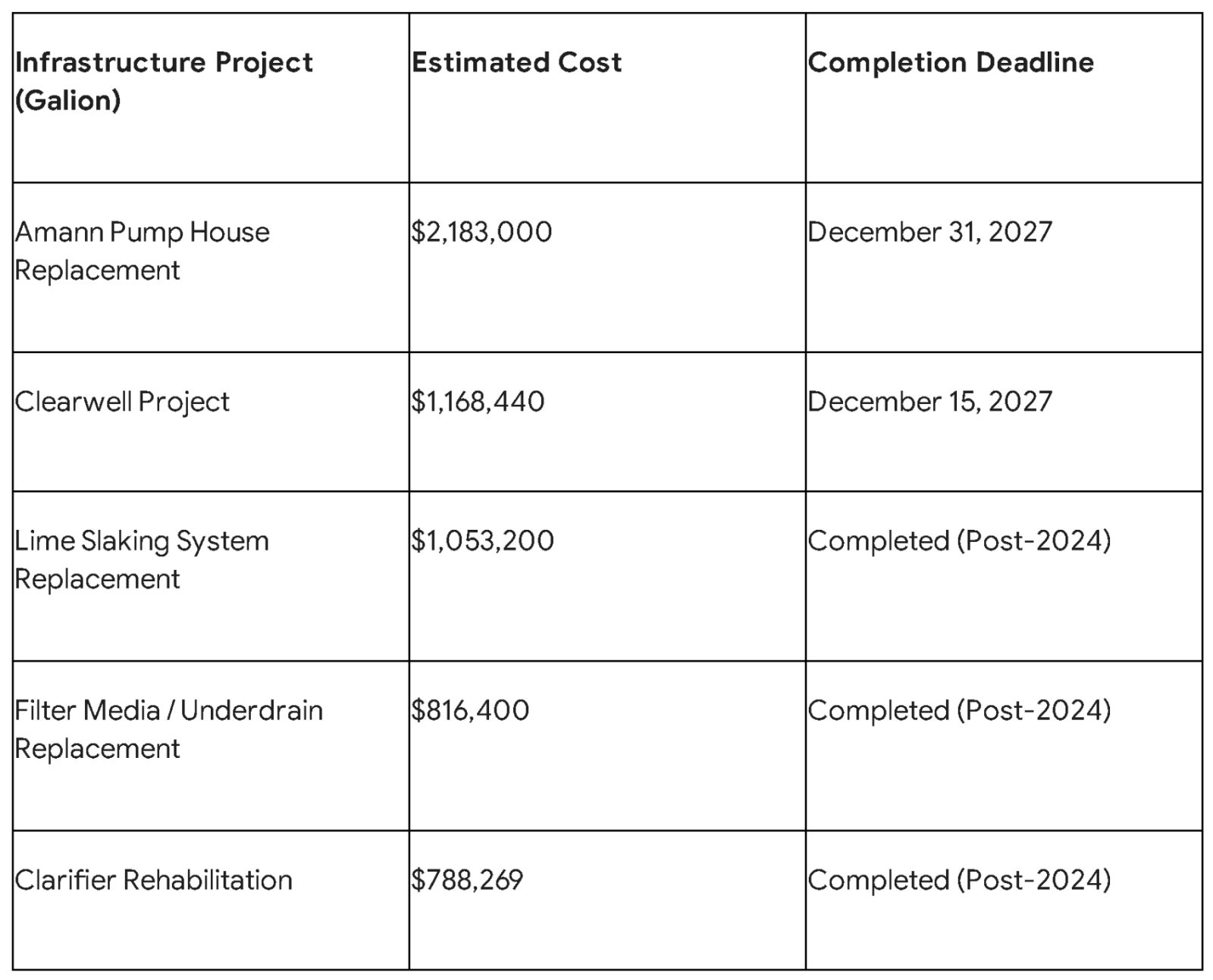
The administration has acknowledged that the Amann Pump House replacement is an estimated $2,183,000 project, alongside a separate Clearwell project estimated at $1,168,440. While the city has publicized the acquisition of partial grant funding and maintains that its water is currently safe to drink, the sheer scale of the required mechanical replacements underscores the extreme fragility of the system resulting from prolonged infrastructure stress.
The City Council’s Multi-Million Dollar Band-Aid and the Double-Digit Reality
The financial reckoning for this destroyed equipment has already arrived at the Galion City Council. During the April 28, 2026 meeting, the administration rushed to pass a series of bond ordinances, authorizing up to $3.74 million at a steep anticipated interest rate of 6%. While the city has noted that $1.14 million of this total is a rollover of old debt from past projects, the remaining $2.6 million represents sudden, massive new borrowing. The ordinances allocated $1.2 million for the water treatment plant, and $1.4 million directed toward reservoir improvements—a direct financial response to the recently ruined pumps and failed biological systems. However, grouping the $2.6 million in new emergency borrowing together with the routine rollover of old debt obscures the true cost of the recent infrastructure collapse.
The rhetoric utilized during this council meeting revealed the stark lack of alternatives available to the municipality. Council member Eric Webber openly explained that grouping the massive loans together was a tactic to gain “more leverage with the banks to get the best interest rates possible”. Council member Josh Woodmansee accurately summarized the administration’s defensive posture, stating, “Unless someone is going to donate the money to us, I say we move this forward”. Meanwhile, Mayor Brian Saterfield categorized the sudden, massive debt acquisition simply as part of an “EPA mandate,” framing the emergency borrowing as an unavoidable regulatory compliance measure rather than the direct financial penalty for the destruction of taxpayer assets. Historical context provided during council meetings, such as Council member Mike Richart noting that the plant was last significantly updated in the 1980s, further highlights the decades of deferred maintenance that compounded the recent chemical damages.
However, the $2.6 million in new, high-interest emergency debt—tacked onto the city’s existing $1.14 million in rolled-over utility bonds—is merely a temporary patch on a fatal wound. Internal estimates and the sheer scale of modern municipal machinery dictate that the true cost to completely rehabilitate, replace, and overhaul the ruined heavy machinery across Galion’s water and wastewater networks may easily climb into the mid double digits of millions. When pumps are destroyed by cavitation and a massive biological digester requires a total system restart, the capital expenditure rapidly outpaces standard municipal revenue streams, forcing rate hikes onto the very citizens whose safety has been compromised.
The Rulebook: Galion’s NPDES Permit and Legal Liability
The administration cannot claim ignorance or utilize operational necessity as a legal defense for destroying their own downstream equipment or risking public safety. The legal and operational boundaries for the facility are strictly defined by the city’s Ohio EPA National Pollutant Discharge Elimination System (NPDES) Permit (2PD00030*QD). This extensive permit strictly regulates exactly what the Galion WWTP can process, what it must test for, and the precise chemical composition of the effluent it is authorized to discharge into the Olentangy River. More importantly, federal law embedded directly within the language of the permit (specifically 40 CFR 122.41(c)) explicitly states that it is never a valid defense for a permittee to argue in an enforcement action that they needed to “halt or reduce the permitted activity in order to maintain compliance”. The administration had an absolute legal, fiduciary, and environmental duty to maintain their equipment, protect the Olentangy River ecosystem, and stop the illegal chemical discharges from the water plant before they annihilated the digester.
Furthermore, the February 2024 EPA pretreatment compliance inspection noted failures in the city’s industrial oversight program, including incomplete inspection report templates and a failure to investigate why significant industrial users had ceased required self-monitoring reporting. While the city later argued in a January 2026 statement that these were mere paperwork issues caused by “staff turnover” and denied any total collapse of the pretreatment program, the regulatory documentation establishes a clear pattern of administrative lapses preceding the mechanical failures. They failed to protect the system.
The Human Cost: Public Safety and Biological Hazards
When municipal heavy machinery fails, the consequences instantly breach the boundaries of the treatment plant and transition into severe, active threats to public health. The mechanical ruin of Galion’s digester and pumping network places the immediate physical safety of citizens in jeopardy. This is no longer a theoretical threat analyzed purely on engineering blueprints; it is an active environmental hazard.
Odor Nuisance and Hydrogen Sulfide Toxicity Galion citizens residing near the wastewater treatment plant have already begun reporting visible leaks of raw sewage and an overpowering, septic stench emanating from the grounds. The stench associated with a dead digester and unprocessed sewage is not merely an aesthetic nuisance; it is an active indicator of atmospheric toxicity.
When organic matter decays anaerobically without the controlled environment of a functioning, sealed digester, it generates massive quantities of Hydrogen Sulfide ($H_2S$) gas. Hydrogen sulfide is a highly toxic, insidious gas. At lower concentrations (above 7 parts per billion), continuous exposure causes persistent headaches, nausea, severe eye irritation, and respiratory distress, particularly in vulnerable populations suffering from asthma or chronic obstructive pulmonary disease. At higher concentrations, hydrogen sulfide induces rapid olfactory fatigue—meaning the victim’s olfactory nerves are paralyzed, and they lose the ability to smell the gas just as it reaches lethal levels. The extreme dangers of $H_2S$ in wastewater settings are heavily documented by occupational safety organizations. In a tragic historical precedent, a worker at a wastewater-treatment plant in Omaha, Nebraska, was killed when a ventilation system failed, allowing $H_2S$ levels to instantaneously spike to an estimated 1,000 to 2,000 parts per million. Beyond the direct risk to human life, airborne $H_2S$ easily dissolves in ambient moisture to form highly corrosive sulfuric acid, which aggressively attacks the concrete infrastructure, exposed metal piping, and sensitive electrical panels of the plant itself, drastically compounding the existing mechanical failure.
Pathogen Proliferation and Surface Water Contamination Because one of the anaerobic digesters is dead, the plant has lost a primary, legally mandated mechanism for neutralizing human pathogens. Raw municipal wastewater is heavily laden with dangerous microorganisms. The biological digestion process, particularly when temperature-phased, is specifically designed to achieve pathogen reduction requirements dictated by law to prevent disease outbreaks. Without the failed digester’s microbial breakdown phase, the raw, unprocessed, putrefying waste retains its full, highly infectious pathogenic load. That unprocessed waste has to go somewhere. Galion’s official Ohio EPA permit authorizes the WWTP to discharge treated, safe water into the Olentangy River. Without fully functioning digesters to stabilize the sludge, and with the plant’s pumps destroyed by cavitation, the facility loses critical hydraulic capacity. This creates an exponential risk of untreated or partially treated sewage bypassing the crippled system entirely and discharging directly into public waterways. Downstream communities are consequently placed at immediate risk of exposure to raw biological hazards. The presence of untreated sewage in recreational or agricultural water supplies introduces a host of virulent bacteria, viruses, and parasites.
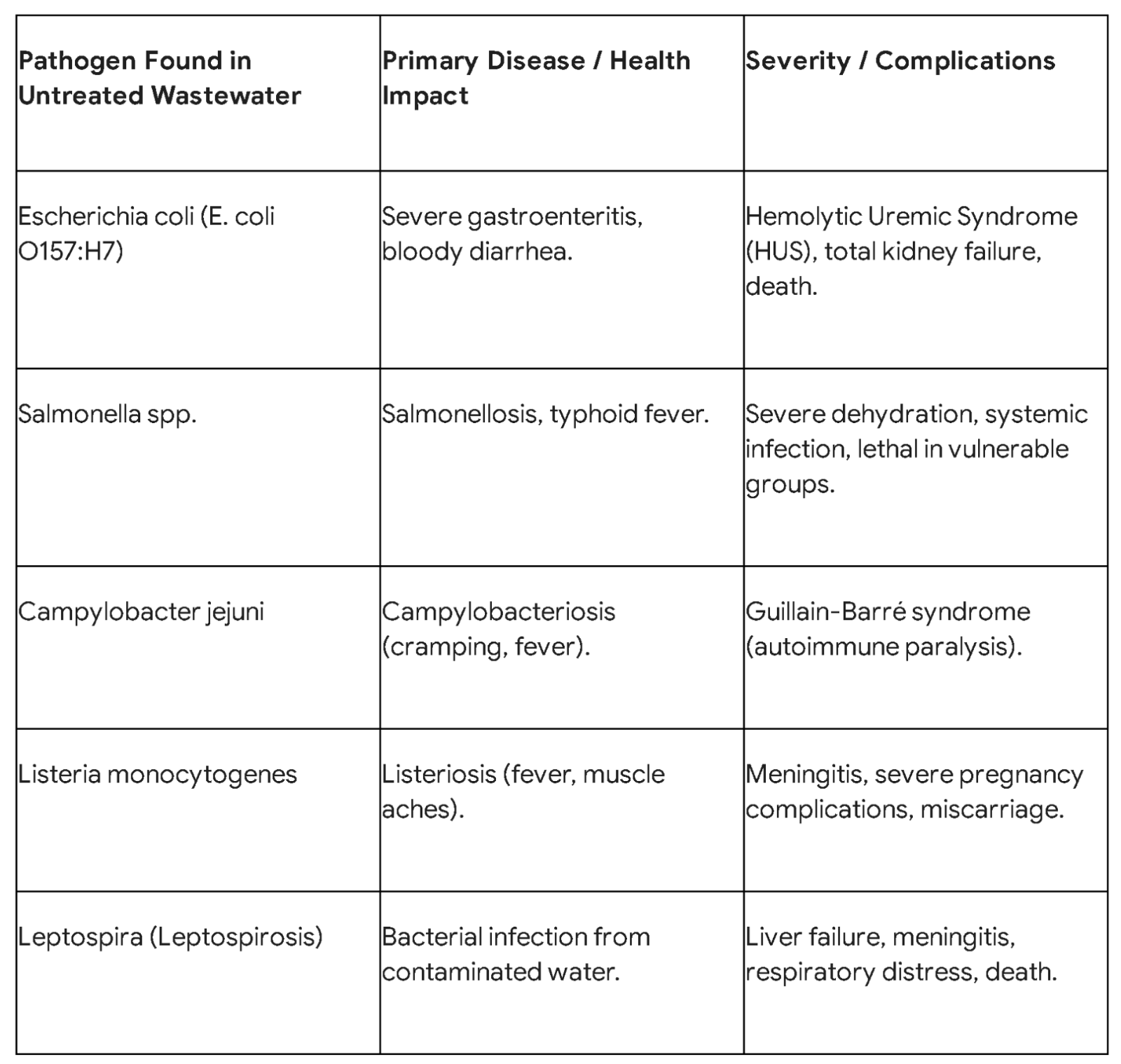
Furthermore, modern societal advancements in sanitation have inadvertently created a new, compounding threat within failing wastewater systems: Antimicrobial Resistance (AMR). Recent epidemiological studies have characterized naturalized wastewater strains of E. coli—strains that have adapted specifically to live and breed in municipal wastewater environments. These naturalized strains carry a plethora of stress-resistance genes against common treatment processes and exhibit terrifying levels of antibiotic resistance. When a plant fails and discharges these hyper-resilient, antibiotic-resistant pathogens into the local river ecosystem, it represents an uncontrolled biological hazard that local healthcare systems are ill-equipped to combat.
Sanitary Sewer Overflows: The Backflow of Sewage The destruction of the city’s pumps dramatically increases the threat of Sanitary Sewer Overflows (SSOs). When a wastewater collection system cannot effectively pump its incoming volume due to mechanical failure or pipes heavily scaled by calcium deposits, the raw sewage has nowhere to go but backward. During periods of peak daily usage or heavy rainfall events, this crippled hydraulic capacity forces untreated biological waste up through manhole covers into city streets. More dangerously, the hydrostatic pressure forces raw sewage directly into the basements and lower levels of residential homes connected to the grid. SSOs are classified by state environmental agencies as a critical danger to public health and are strictly prohibited under the Clean Water Act, precisely because they bring citizens into direct, unavoidable contact with raw human waste inside their own living spaces.
The Compound Threat to Drinking Water Infrastructure The failure documented at the Amann Reservoir compounds this crisis on the drinking water side. The 1200 and 1500 GPM raw water pumps that were ordered to be completely removed are the mechanical arteries that supply the city’s treatment intake. When raw water pumps fail, the city’s ability to maintain a consistent, pressurized supply of safe drinking water is fundamentally and structurally compromised. The fluid dynamics of a municipal water distribution network require constant positive pressure to keep external environmental contaminants out. If the raw water intake fails and system pressure drops below a critical threshold, a phenomenon known as “intrusion” occurs. Groundwater, soil contaminants, and surrounding pathogens are violently drawn into the compromised drinking water pipes through microscopic cracks or failing joints. A sudden pressure drop risks city-wide contamination that necessitates immediate, prolonged boil water advisories to prevent bacterial infections from infiltrating the drinking supply. The fact that Galion had to allocate massive emergency bonds to replace these specific pumps proves that the margin of safety protecting the citizens from a catastrophic drinking water failure has been dangerously thin.
Nationwide Case Studies in Wastewater Failure
To understand the full scope of the threat facing Galion, and to demonstrate that the consequences of infrastructure collapse are not theoretical, one must examine the empirical data from other communities where wastewater machinery was allowed to fail. Across North America, the collapse of municipal water and wastewater processing consistently yields the same devastating, often lethal, public health outcomes.
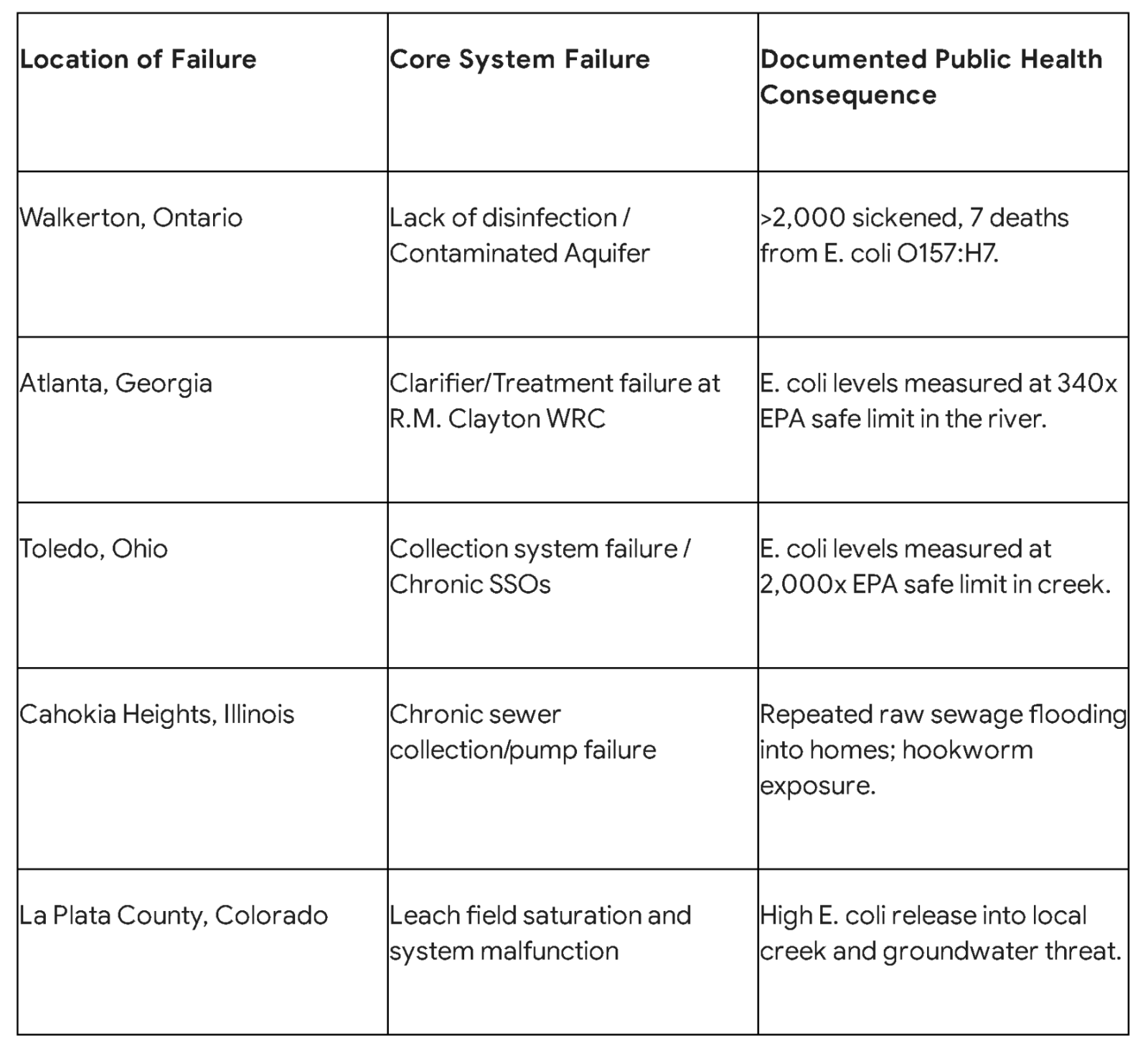
Walkerton, Ontario: The Lethal Consequence of Neglect The most tragic and defining modern example of municipal water failure occurred in the small community of Walkerton, Ontario, in May 2000. Following heavy rainfall, agricultural runoff containing cattle manure was drawn into a shallow aquifer supplying a municipal well. Because the town’s water treatment infrastructure was improperly managed and chronically inadequately disinfected by operators who lacked proper training, the water supply became heavily contaminated with E. coli O157:H7 and Campylobacter jejuni. The resulting outbreak sickened more than 2,000 people—a massive percentage of the town’s population—and resulted in seven confirmed deaths. Many survivors were left with permanent chronic illnesses and severely compromised organ function. In a significant percentage of cases, E. coli O157:H7 infections progress to Hemolytic Uremic Syndrome (HUS), a catastrophic condition that causes total kidney failure. The subsequent government inquiry resulted in criminal charges for the utility operators and massive overhauls of treatment guidelines. Walkerton stands as the definitive, tragic proof that municipal infrastructure failure is an immediate matter of life and death.
Atlanta, Georgia: The R.M. Clayton WRC Collapse In early 2024, the massive R.M. Clayton Water Reclamation Center in Atlanta suffered a severe mechanical and biological failure. Following heavy rain events, the secondary clarifiers at the facility ceased functioning. While the city initially blamed the weather, inspections by the Georgia Environmental Protection Division revealed major, systemic operational and maintenance issues at all stages of treatment. The failure of the plant’s biological and mechanical processing phases resulted in the daily discharge of undertreated, highly hazardous wastewater directly into the Chattahoochee River. Independent water quality testing conducted at the plant’s outfall detected E. coli levels that averaged 340 times higher than the maximum limit recommended by the U.S. EPA for safe water recreation. This massive pathogenic release necessitated immediate, widespread public health warnings for all downstream communities relying on the river ecosystem.
Toledo, Ohio: Rampant SSOs and Waterway Contamination The state of Ohio has extensive recent history with the dangers of municipal wastewater failure. In June 2024, the Ohio EPA issued a severe Notice of Violation directly to the Mayor of Toledo following a series of disastrous Sanitary Sewer Overflows caused by chronic sewer system failures. The mechanical inability of the system to process its normal flow resulted in the massive discharge of raw sewage into Swan Creek, Delaware Creek, and surrounding tributaries. Water testing confirmed staggering levels of biological contamination. Near the source of the overflow in Swan Creek, E. coli levels were 50 times the safe limit. In Delaware Creek, the pathogen load reached an astonishing 2,000 times the safe environmental limit, resulting in an urgent public health advisory shutting down access to local metroparks, recreational waterways, and community centers. The EPA mandated immediate abatement efforts, bypassing, and daily reporting to mitigate the environmental catastrophe.
Cahokia Heights, Illinois: The Disproportionate Social Cost In Cahokia Heights, a chronic, decades-long failure of the local wastewater system has resulted in regular, predictable sewage flooding. Because the municipal collection and pumping system is mechanically crippled, heavy rains force raw sewage backward, inundating residential yards, flooding streets, and flowing directly out of household pipes into living spaces. Epidemiological and sociological research clearly indicates that marginalized communities often bear the heaviest burden of these infrastructure failures. Residents in Cahokia Heights report constant exposure to sewage-filled floodwaters, increasing their susceptibility to severe gastrointestinal diseases, respiratory issues from mold and airborne toxins, and historical waterborne illnesses once believed eradicated in the United States, such as hookworm. The psychological and social toll of knowing that every rainstorm will inevitably bring raw human waste into one’s home represents a profound community cost that municipal emergency bonds completely fail to quantify.
La Plata County, Colorado: Small System, Major Threat Even small-scale wastewater failures present massive localized health threats. In La Plata County, Colorado, a wastewater treatment system serving the Pine Winds Mobile Home Park suffered a total mechanical malfunction. The system’s leach field, designed to slowly filter and treat wastewater before it entered the groundwater, became completely oversaturated and failed. The failing system began releasing high concentrations of E. coli bacteria directly into a nearby creek that flows into the La Plata River. Residents were forced to frantically build fencing to block off the toxic leach field and seek alternate sources of drinking water to protect themselves from the pathogen exposure while state environmental agencies scrambled to identify the root cause of the system blockage.
The Verdict
Like lions guarding the gate, taxpayers must demand an end to the bureaucratic paralysis that has defined Galion’s infrastructure management. The evidence compiled from internal EPA inspections, municipal engineering blueprints, financial bond records, and the fundamental principles of environmental chemistry and microbiology paints an incontrovertible picture. The mechanical heart of the city’s wastewater system has been functionally destroyed by severe mismanagement, deliberate chemical abuse, and a willful failure to protect essential public assets. By utilizing the sanitary sewer system as a disposal method for highly concentrated, abrasive water treatment chemicals, the city fundamentally violated the biological requirements of its own infrastructure. Calcium hydroxide and ferric chloride chemically shocked the digester, eradicating the methanogenic bacteria required to process human waste. Simultaneously, the heavy precipitation of calcium scaling triggered massive pump cavitation, tearing essential heavy machinery apart from the inside out and forcing a total structural demolition at raw water intake sites.
The administration’s attempts to frame the sudden acquisition of $2.6 million in new, high-interest emergency debt—quietly bundled with $1.14 million in old debt rollovers—as a standard “EPA mandate” obscures the physical reality of the devastation. Loans do not cure a sour digester, nor do press releases reverse the pitting on a cavitated 1500 GPM pump impeller. The true reckoning for this failure is not merely financial; it is biological. When a digester dies and massive pumps fail, the barrier separating a population from virulent pathogens dissolves. The septic stench hanging over the community and the visible leaks of raw sewage are the precursors to Sanitary Sewer Overflows and direct, untreated discharges into the Olentangy River ecosystem. As history has shown in Atlanta, Toledo, and tragically in Walkerton, waterborne pathogens exploit any weakness in municipal infrastructure.
The machinery that protects public health in Galion is in ruins. The biological safeguards for the community have been compromised. This catastrophic collapse is not an isolated departmental failure, but the devastating climax of a city-wide inability to manage basic environmental compliance and regulatory oversight—a systemic breakdown spanning from the wastewater plant down to the municipal composting facility. The massive financial cost is already coming due, and unless intense, transparent, and immediate mechanical interventions are prioritized over bureaucratic survival, it is the citizens of Galion who will inevitably be forced to pay the heaviest price in both capital and public health. Marion Watch is compiling data for another batch of record requests, our network has blown the trumpet, and will continue to keep watch over this issue in Galion.
Works Cited Further Resources (Click Here):
Bell, R. L., Kase, J. A., Harrison, L. M., et al. (2021). The Persistence of Bacterial Pathogens in Surface Water and Its Impact on Global Food Safety. Pathogens, 10(11), 1391. https://doi.org/10.3390/pathogens10111391
Croxen, M. A., Law, R. J., Scholz, R., et al. (2013). Recent Advances in Understanding Enteric Pathogenic Escherichia coli. Clinical Microbiology Reviews, 26(4), 822–880. https://doi.org/10.1128/cmr.00022-13
Ravva, S. V., & Korn, A. (2007). Extractable Organic Components and Nutrients in Wastewater from Dairy Lagoons Influence the Growth and Survival of Escherichia coli O157:H7. Applied and Environmental Microbiology, 73(7), 2191–2198. https://doi.org/10.1128/aem.02213-06
Yu, D., Ryu, K., Zhi, S., Otto, S. J. G., & Neumann, N. F. (2022). Naturalized Escherichia coli in Wastewater and the Co-evolution of Bacterial Resistance to Water Treatment and Antibiotics. Frontiers in Microbiology, 13. https://doi.org/10.3389/fmicb.2022.810312