


 Written by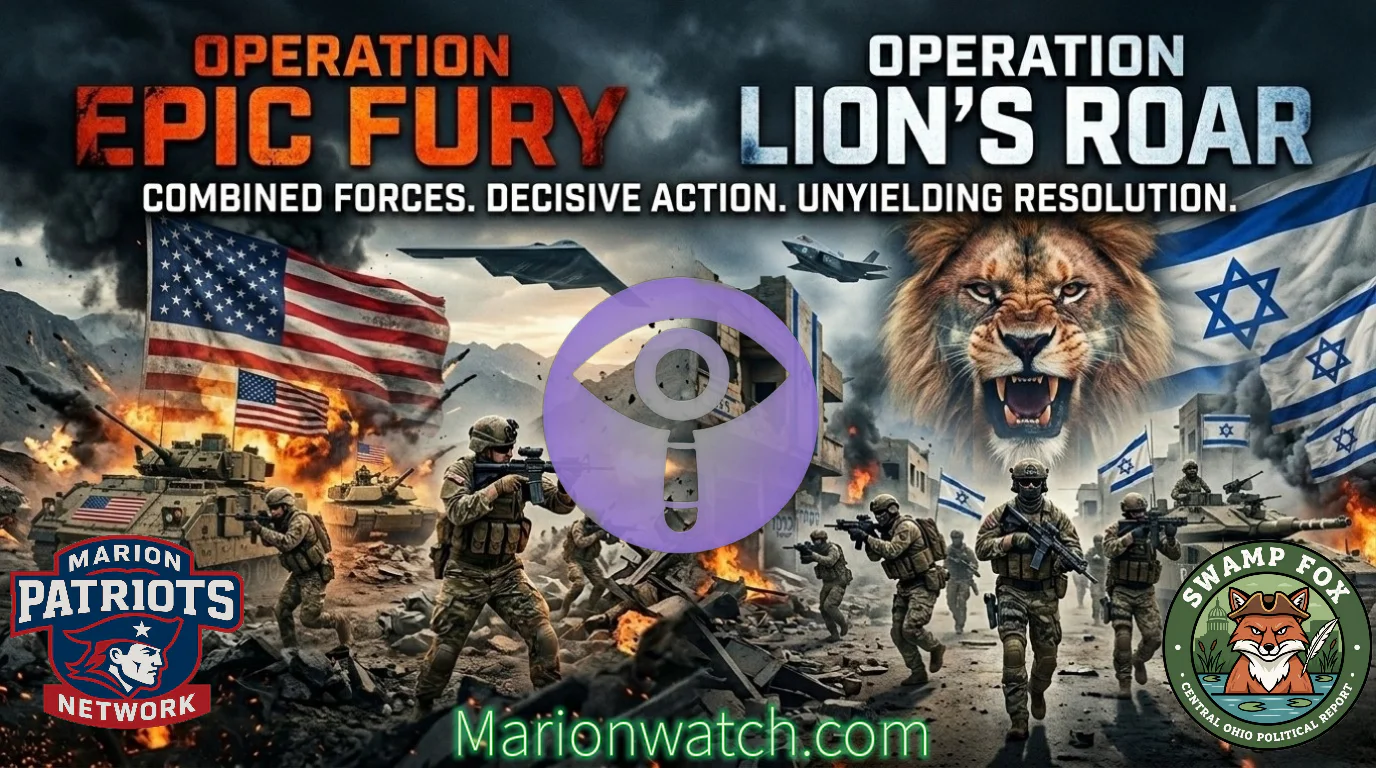
On the morning of February 28, 2026, at roughly 08:15 local time, a coordinated U.S.–Israeli offensive shattered decades of restrained strategy and plunged the region into a new, high‑intensity phase of warfare. The operation—called Epic Fury by Washington and Lion’s Roar by the Israel Defense Forces—was not a limited raid. It was a daylight, multi‑vector campaign aimed at Iran’s nuclear program, missile infrastructure, and the nerve centers of its command apparatus.
“At approximately 08:15 local time, the United States and Israel transitioned from a decades-long policy of containment and ‘gray zone’ maneuvering to a high-intensity, daylight offensive against the sovereign territory of the Islamic Republic of Iran.”
“This coordinated action, designated ‘Operation Epic Fury’ by the United States Department of War and ‘Operation Lion’s Roar’ by the Israel Defense Forces (IDF), involves a multi-vector strike campaign targeting the core of Iran’s nuclear program, ballistic missile infrastructure, and central command-and-control nodes.”

How we got here: a chain of failures and calculations
The strikes were the end point of a year-long spiral. After the June 2025 “12‑Day War,” limited strikes had already damaged Iranian nuclear sites and reportedly killed senior IRGC figures and scientists. Tehran rebuilt quickly, expanding missile ranges and restoring enrichment capacity. Diplomatic efforts—most notably indirect Geneva talks mediated by Oman—collapsed in late February 2026. U.S. officials concluded the negotiations were a cover for further nuclear progress and, citing an “imminent threat,” moved a carrier armada into the Persian Gulf. Those moves set the stage for a decision to strike openly and decisively.
The calculus was explicit: degrade Iran’s ability to project strategic force, signal deterrence to regional rivals, and exploit a moment of domestic weakness inside Iran. That domestic crisis—mass protests, a collapsing currency, and a brutal state crackdown—was central to the timing. International observers reported thousands killed in the repression, and U.S. leaders publicly urged Iranians to seize the moment. The strikes were therefore both military and political, intended to reshape Tehran’s internal and external options.
What was hit and why it matters
The campaign struck across Iran, from Tehran to the southern coast. In the capital, the government quarter around Pasteur Street and the Shemiran district—home to the Supreme Leader’s compound and central command nodes—suffered heavy damage. Seven missiles struck the high‑security zone; communications were severed by a near‑total internet blackout that isolated leadership and complicated any coordinated response. Outside Tehran, Fordow near Qom, Isfahan, Karaj, Kermanshah, Bushehr and Tabriz were all struck—sites tied to enrichment, missile R&D, naval facilities, and regional IRGC command. The pattern was clear: remove Iran’s strategic depth and its ability to coordinate a sustained, centralized retaliation.
The operational picture matters because it changes the nature of the threat Iran can pose. Destroying or degrading deeply buried enrichment facilities and missile production lines reduces immediate nuclear and long‑range strike risks, but it does not eliminate decentralized capabilities. The IRGC’s dispersed networks, hardened caches, and proxy partners remain a persistent danger—especially for regional energy infrastructure and maritime traffic.
Iran’s response: the “First Wave” and the risk of escalation
Within hours, Iran activated a regional retaliatory doctrine. The IRGC launched drones and ballistic missiles at Israeli territory and U.S. bases across the Gulf. Attacks struck near the U.S. Fifth Fleet in Bahrain and Al‑Udeid in Qatar; Abu Dhabi reported a missile strike that caused at least one fatality. Proxy groups in Iraq and Yemen signaled or began retaliatory actions, and air defenses across the region were put on continuous alert. The initial salvo demonstrated that, even after crippling central nodes, Iran retains the capacity to inflict damage and to draw in non‑state actors as force multipliers.
That dynamic creates a dangerous ladder: each retaliatory move invites further counter‑strikes, and the involvement of proxies and third‑party states raises the odds of miscalculation. The coalition’s aim to avoid a full‑scale ground invasion may limit some options, but it also risks a prolonged campaign of attrition that could spread across the Levant, the Gulf, and maritime chokepoints.
The human toll and the propaganda battle
The civilian cost was immediate and stark. Reports from southern Iran described a strike on a girls’ elementary school in Minab with dozens of children killed—an event Tehran used to frame the operation as an assault on civilians and to rally domestic and international outrage. In Israel and Gulf states, emergency measures and shelter orders underscored the psychological and social impact of the strikes. Beyond the battlefield, the narrative war—over who bears responsibility and whether the strikes were lawful—has already hardened international positions.
The humanitarian consequences will shape diplomatic options. Images and reports of civilian casualties will complicate efforts by coalition partners to sustain political support, while Iran will use those incidents to mobilize regional sympathy and to justify asymmetric retaliation.
Markets, logistics, and the global ripple effects
The economic shock was immediate. Brent crude jumped to the low $70s per barrel as traders priced in supply risk and the possibility of a Strait of Hormuz closure. Global equities fell sharply while safe‑haven assets surged. Airspace closures across the region disrupted flights and supply chains, stranding passengers and interrupting cargo routes between Europe and Asia. The short‑term market reaction is only the first layer; a prolonged conflict that targets oil infrastructure or maritime traffic would force a structural reassessment of energy security and accelerate investments in diversification and renewables.
For businesses and governments, the key variables are duration and geographic spread. A short, decisive campaign that avoids sustained attacks on neighboring oil producers could see markets stabilize. A protracted conflict, however, risks persistent price shocks, supply chain reconfiguration, and long‑term shifts in investment patterns.
Diplomacy, law, and the fracture lines in the international system
The strikes split the world. Russia and China condemned the operation as a violation of international law and called for emergency UN action. European responses were mixed—public caution and calls for restraint alongside private concerns about Iran’s nuclear trajectory. Several U.S. allies offered qualified support, but the coalition’s legal footing is contested: Tehran has invoked Article 51 of the UN Charter to claim self‑defense, while critics argue the strikes breach Article 2(4) on the use of force. Those legal arguments will shape Security Council debates and the broader legitimacy contest.
The diplomatic fallout will not be resolved quickly. Sanctions, arms sales, and regional alignments are all likely to shift as states reassess risk and opportunity. The UN and other multilateral institutions will be pressured to mediate, but their ability to produce binding outcomes is constrained by great‑power divisions.
Strategic outlook: three plausible paths forward
The immediate future can be sketched in three broad scenarios:
- Short decisive campaign — Coalition achieves its military objectives, Iran’s centralized capabilities are neutralized, and a fragile stabilization follows. Markets recover; regional violence subsides but political instability in Iran persists.
- Protracted asymmetric conflict — Iran leans on proxies and decentralized strikes, targeting energy infrastructure and shipping lanes. The result is sustained economic disruption, higher energy prices, and a drawn‑out security burden for coalition forces.
- Wider regional conflagration — Miscalculation or escalation draws in additional state actors, producing a broader war that threatens global energy supplies and forces major powers into direct confrontation.
Each path carries tradeoffs. A short campaign risks leaving residual capabilities intact; a protracted conflict imposes heavy economic and humanitarian costs; a wider war risks catastrophic global consequences. The coalition’s challenge is to calibrate military pressure while preserving political space for a negotiated outcome—an outcome that, given the strikes’ explicit aim to dismantle Iran’s strategic posture, may be difficult to achieve without regime change or a major internal political shift in Tehran.
What to watch next
- Iran’s operational choices: Will Tehran prioritize limited, deniable proxy attacks or escalate with direct strikes on critical infrastructure?
- Strait of Hormuz and maritime security: Any disruption to shipping will amplify economic pain and force international naval responses.
- International legal and diplomatic moves: Security Council debates, emergency sessions, and third‑party mediation efforts will indicate whether a political off‑ramp is possible.
- Humanitarian indicators: Refugee flows, civilian casualty reports, and access for aid organizations will shape global public opinion and pressure policymakers.
Works Cited (Click Here)
2026 Israeli–United States strikes on Iran
- Date: February 28, 2026
- Relevance: Comprehensive overview of the joint military operation, including specific impact zones in Tehran (such as the Supreme Leader’s compound), military command targets, and the resulting regional retaliatory missile salvos.
- URL: https://en.wikipedia.org/wiki/2026_Israeli%E2%80%93United_States_strikes_on_Iran
Iran Demands Emergency United Nations Action Amid ‘Criminal Aggression’ by US, Israel
- Date: February 28, 2026
- Relevance: Details the official diplomatic response from the Iranian Foreign Ministry, including its appeal to the UN Security Council and allegations of violations of the UN Charter regarding the use of force.
- URL: https://www.commondreams.org/news/iran-un-security-council
Iran-Israel-USA conflict strikes attack West Asia US Trump live updates
- Date: February 28, 2026
- Relevance: Critical reporting on the humanitarian impact, specifically detailing civilian casualties in southern Iran and the widespread shutdown of regional airspace affecting international aviation.
- URL: https://www.thehindu.com/news/international/iran-israel-usa-conflict-strikes-attack-west-asia-us-trump-live-updates-february-28-2026/article70687247.ece
Live updates: Israel-Iran February 28 2026
- Date: February 28, 2026
- Relevance: Real-time updates on the expansion of the conflict beyond Iran’s borders, including successful interceptions of Iranian missiles by regional defense systems in Qatar and Jordan.
- URL: https://apnews.com/live/live-updates-israel-iran-february-28-2026
PM: Strikes meant to end ‘existential threat’; time for Iranians to cast off yoke of tyranny
- Date: February 28, 2026
- Relevance: Summarizes the Israeli government’s strategic objectives, highlighting Prime Minister Netanyahu’s justification for the operation and his public appeal for a change in Iran’s governance.
- URL: https://www.timesofisrael.com/pm-strikes-meant-to-end-existential-threat-time-for-iranians-to-cast-off-yoke-of-tyranny/
US and Israel attack Iran, with Trump confirming ‘major combat operations’ Live
- Date: February 28, 2026
- Relevance: Covers the U.S. perspective of the operation, designated “Epic Fury,” and identifies retaliatory targets hit in the Persian Gulf, including the U.S. Navy’s Fifth Fleet headquarters.
- URL: https://www.cbsnews.com/live-updates/israel-us-attack-iran-trump-says-major-combat-operations/
US Israel Launch Major Attack on Iran Triggers Oil Price Surge
- Date: February 28, 2026
- Relevance: Analysis of the immediate economic consequences of the conflict, focusing on the surge in crude oil prices to $73 per barrel and the resulting risk premiums in energy markets.
- URL: https://discoveryalert.com.au/oil-price-rally-us-israel-attack-2026/
US, Israel attack Iran, triggering Iranian response against US bases in the Gulf
- Date: February 28, 2026
- Relevance: Provides a geographic breakdown of targeted sites within Iran, such as the Fordow nuclear facility, and reports on Iranian retaliatory strikes against bases in Bahrain, Kuwait, and the UAE.
- URL: https://www.madamasr.com/en/2026/02/28/news/u/us-israel-attack-iran-triggering-iranian-response-against-us-bases-in-the-gulf/
US, Israel launch strikes on Iran, begin major combat operations
- Date: February 28, 2026
- Relevance: Documents Iran’s formal invocation of Article 51 of the UN Charter for self-defense and the operational impact of cyber warfare on Iranian internal communications.
- URL: https://www.aa.com.tr/en/middle-east/us-israel-launch-strikes-on-iran-begin-major-combat-operations-/3843210
Why are gold and silver prices increasing now, and will gold touch $6,000 and silver $200 soon?
- Date: February 28, 2026
- Relevance: Examines the reaction of financial markets to the escalation, specifically the sharp rise in gold and silver prices as investors sought safe-haven assets.
- URL: https://m.economictimes.com/news/international/us/why-are-gold-and-silver-prices-increasing-now-and-will-gold-touch-6000-and-silver-200-soon-precious-metals-rise-current-prices-analysts-insights-and-market-outlook-explained-heres-what-should-investors-do-now/articleshow/128883276.cms