

 Written by
When municipal infrastructure breaks down, often local administrations instinctively deploy the same defensive playbook: claim the pipes are simply “old,” dismiss public outcry as localized panic, and insist the town is merely dealing with “typical small-town problems.”
But when examining how water infrastructure fails across America, a stark reality emerges regarding who owns the pipes.
Simply put, privately owned and operated utilities generally fare far better than publicly owned ones.
Why?
Because private corporations fear financial ruin.
Driven by strict corporate liability, insurance mandates, and the threat of devastating shareholder lawsuits, private operators are forced to maintain rigid preventative maintenance schedules.
When private utilities fail catastrophically, they lack political protection.
They are sued into oblivion by both the government and the public, and their executives frequently face criminal indictments.
Public, government-owned utilities, however, have a much worse track record for long-term decay.
When the entity running the utility (the local government) and the entity regulating the utility (the state government) are both political organizations, the dynamic shifts. Instead of strict environmental enforcement, the outcome is often political preservation, backroom deals, and administrative shielding.
To determine if the City of Galion, Ohio, is experiencing standard municipal aging or a catastrophic, systemic collapse, Marion Watch Investigates bypassed the local narrative and pulled the raw federal data and compiled it alongside our ongoing reporting on Galion which began in late 2025 into 2026.
We cross-referenced Galion’s public records, Ohio EPA orders, and engineering audits against the U.S. Environmental Protection Agency’s (U.S. EPA) national enforcement databases.
Across the United States, the EPA monitors over 66,000 water and wastewater systems.
Under the U.S. EPA’s National Enforcement and Compliance Initiatives (NECI), intense regulatory oversight has driven isolated Category I Significant Noncompliance (SNC) down to just 9.0% of NPDES-permitted wastewater facilities nationwide.
While that broader SNC pool captures utilities experiencing recurring effluent breaches or administrative delays (Tiers 3 and 4), the extreme bottom of that group—specifically Tier 5 dual-utility physical collapses and Tier 6 multi-statute failures combined with data rigging—accounts for fewer than 0.3% of all American municipal systems.
Out of more than 66,000 federally monitored utilities across the country, only about 15 to 25 cities sink deep enough into Tier 6 (<0.05%) to match Galion’s exact profile of physical rot and engineered regulatory evasion.
When public megacities like New York or Baltimore fail, the government drops the hammer with hostile state takeovers, strict federal court orders, and crushing financial penalties.
But in Galion, the rule of law seems to have been suspended, for now.
The data yields an indisputable verdict: Galion is not experiencing “typical small-town problems.” It has generated a multi-utility collapse on par with America’s largest failing metropolitan grids—but with a level of data manipulation, potential criminal falsification, and state regulatory complicity unseen in major cities.
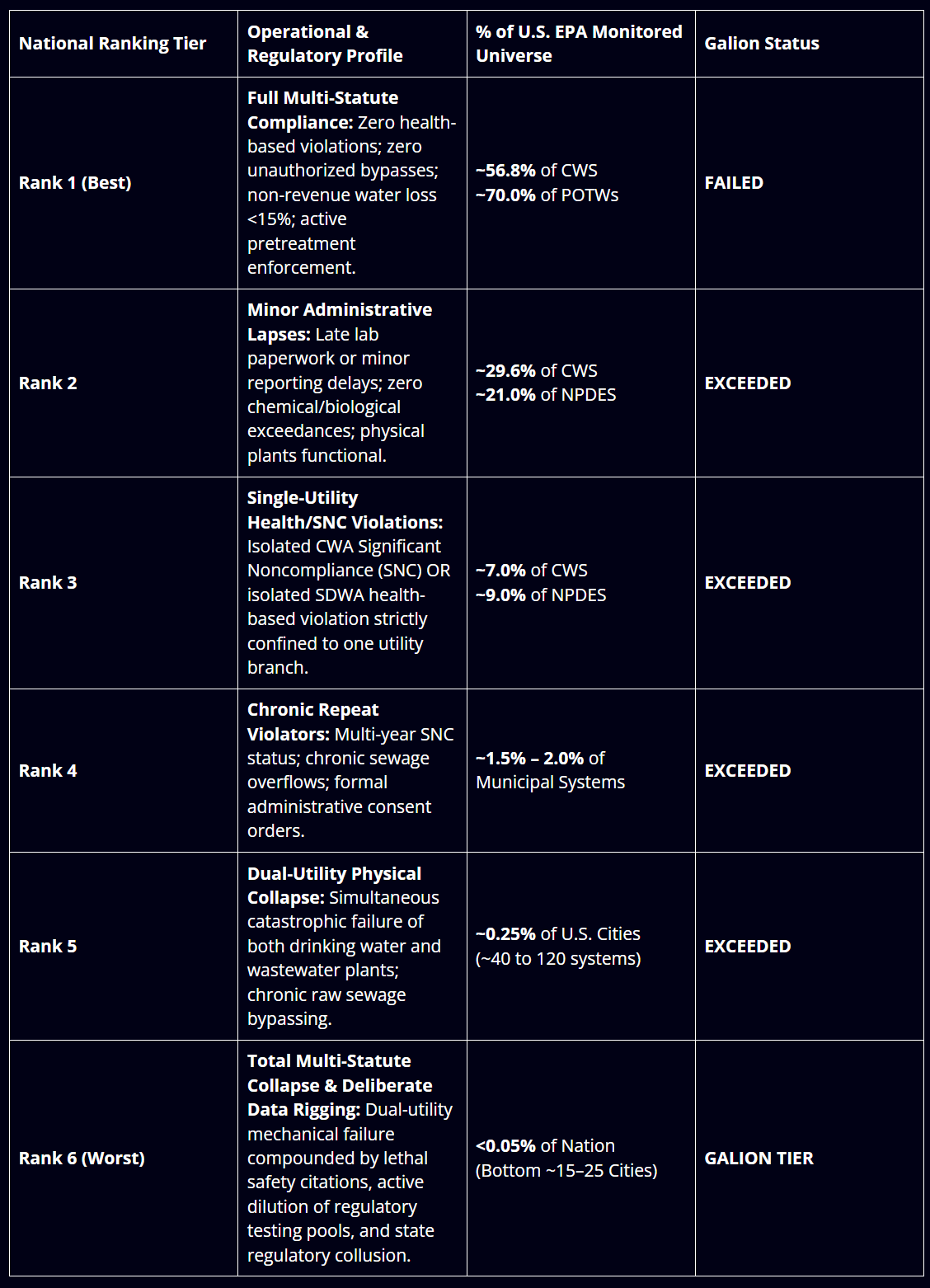
When measured against the full universe of 66,000 federally monitored utilities, the City of Galion’s combined, publicly owned and operated utility operations sit in Rank 6 out of 6 (Worst Tier).
Galion falls within the bottom 0.05% of EPA-monitored utility grids in the United States. It stands among the bottom 15 to 25 small-to-midsize municipal grids in the nation—and it is the only one we have found to be actively shielded from federal prosecutors by its own state environmental agency.
NOTE: ALL IMAGES CAN BE ENLARGED BY CLICKING.
SOME AREAS HAVE PDF’S BY THEMSELVES, AND WITH THE IMAGES, AND THEY CAN BE OPENED BY CLICKING THE BELOW SYMBOL ON HOVER OR TOUCH.

The National Compliance Index: Ranking the Six Tiers
The “Per Capita” Capital Shock: Scale vs. Tax Base
To deflect scrutiny, municipal officials frequently argue that comparison to other utilities is unfair due to differences in municipal size.
However, comparing Galion to larger, government-owned and operated utility grids currently in crisis exposes the mathematical and operational magnitude of Galion’s collapse.
When examining utility grids, the raw dollar amount of a repair bill means nothing without measuring the population forced to pay for it.
The recent 153-page GPD Group engineering audit proves Galion’s Wastewater Treatment Plant (WWTP) alone requires a staggering $41.63 million to fix existing equipment.
For a full breakdown of the $41.6M collapse, read “Toxic Tides II”
But the bleeding does not stop there.
The city’s Water Treatment Plant (WTP) suffers a staggering 65% non-revenue water loss and $9 million in neglected distribution assets (including 3,000 unexercised valves).
Furthermore, residents and former utility workers have informed Marion Watch that the internal estimate to repair the Water Treatment Plant’s own catastrophic infrastructure failures is an additional $20 million.
We cannot independently verify that exact $20 million figure today because the City of Galion has suddenly and completely stopped fulfilling our public records requests.
Let us be clear: Marion Watch will pursue these records relentlessly, up to and including filing formal action with the Ohio Court of Claims to force public disclosure.
When the Galion City Treasurer questioned these mounting financial figures in February 2024, she was told by the Mayor and Council to “stay in her lane.”
Having declined a major EPA loan in 2021, the city rushed to pass $3.74 million in emergency bonds in April 2026 alongside consecutive 20% sewer rate hikes. The city explicitly admitted $1.1 million of those bonds were entirely mandatory just to satisfy state decrees.
Even after City Council passed Ordinance 2026-68 on September 22, 2026, to stop draining up to $112,000 in utility funds for general fund administrative salaries, the city still lacks the capital to run $2 million sewer lines to a prime industrial site just disqualified by JobsOhio, but are considering doing so in hopes of attracting industries to Galion.
For a tax base of just over 10,400 residents, this combined $60+ million liability is a terminal debt load.
GPD GROUP WWTP ASSESSMENT
GALION OHIO MAP SHOWING WASTEWATER PLANT
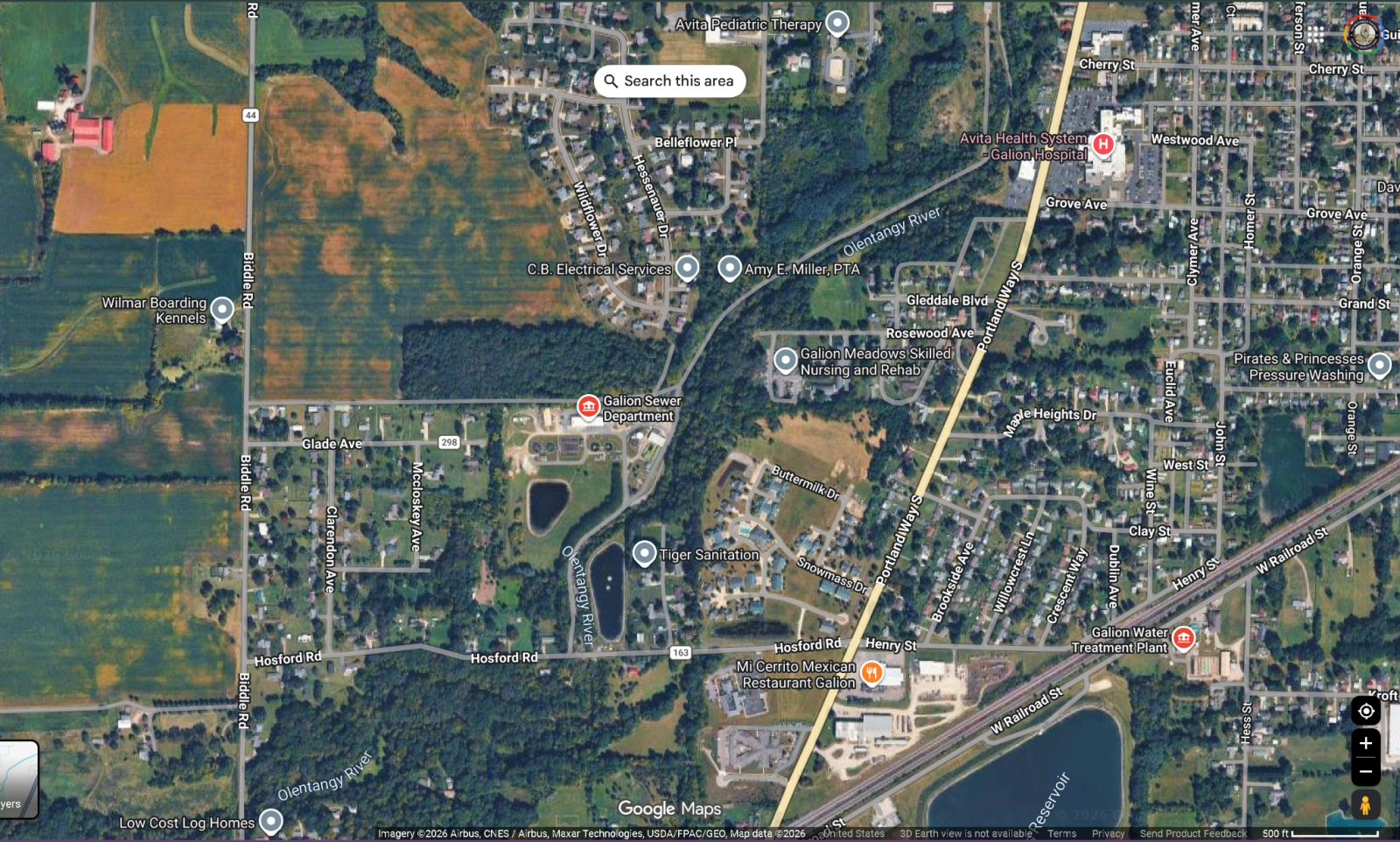
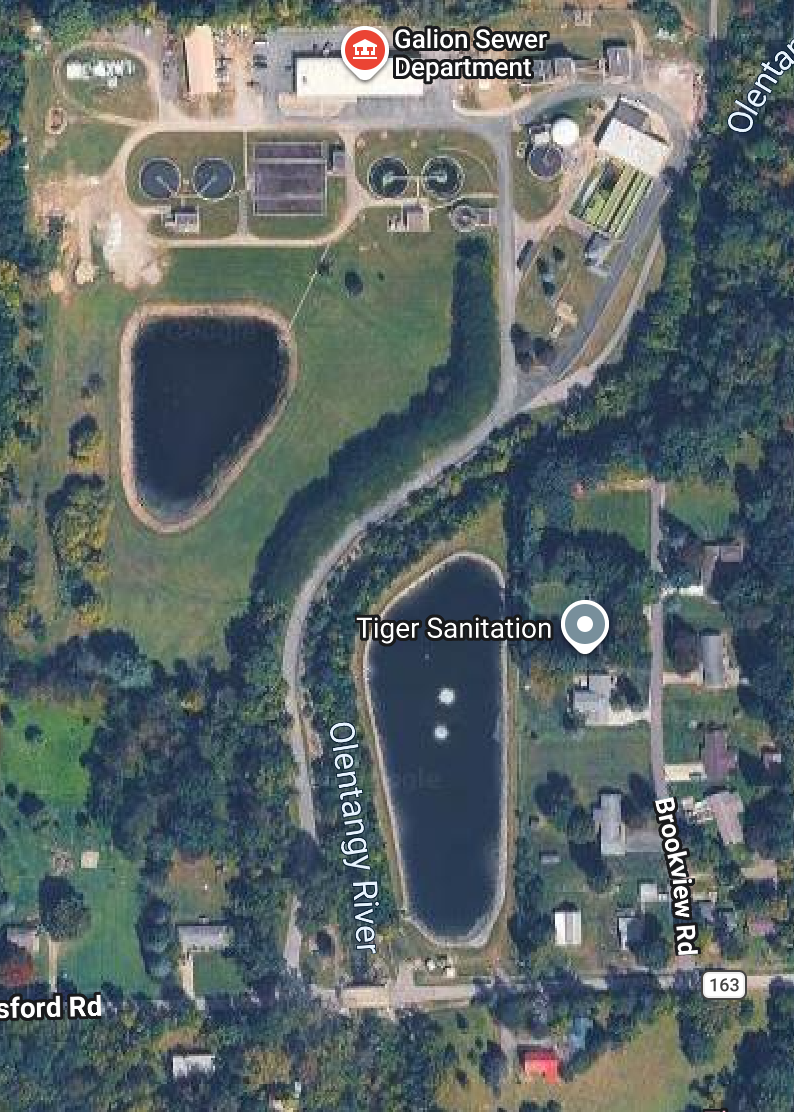
Read more in “Galion’s Budgetary Tug-of-War”
Benchmarking the Collapse: Tier 5 & 6 Case Studies
To prove that Galion’s administrative shielding is an extreme anomaly, we benchmarked the city against eight other utility grids that suffered catastrophic Tier 5 or Tier 6 scale failures. In every single public example below, state and federal governments dropped the hammer.
Only Galion received a regulatory shield.
Large/Regional Grid Benchmarks (Tier 5 & 6 Level Stress)
- 1. Lee County / Fort Myers, FL (~820,000 regional population, including Cape Coral at ~216,000 – Publicly Owned): Central and South Facilities suffered major hydraulic failures resulting in unauthorized Sanitary Sewer Overflows (SSOs).
- The Enforcement Contrast: The Florida DEP did not hand the city an administrative eraser. Under Consent Order OGC File No. 20-0851, regulators imposed strict, legally binding milestones and instituted automatic, non-negotiable financial penalties: $1,000 per day for missed deadlines and up to $10,000+ per unauthorized spill. Furthermore, the county leveraged regionalization to distribute costs across hundreds of thousands of ratepayers.
- 2. Houston, TX (~2.39 million residents – Publicly Owned): Aging infrastructure caused massive, systemic raw sewage overflows into local bayous.
- The Enforcement Contrast: The federal DOJ and U.S. EPA did not allow the state to hide the data. They stepped in with a binding judicial Consent Decree forcing the city to spend $2 billion in upgrades and pay millions in immediate civil penalties.
- 3. DeKalb County, GA (~774,000 residents – Publicly Owned): Chronic sewage spills driven by crumbling collection lines and heavy inflow and infiltration.
- The Enforcement Contrast: The U.S. EPA and State EPD jointly enforced a rigid Consent Decree. No “Regulatory Shield” was offered to delete missed schedules; the county was fined heavily for every missed benchmark.
- 4. Baltimore, MD (~569,997 residents – Publicly Owned): Dual-utility collapse. In 2022, Baltimore suffered a total mechanical collapse at its Back River WWTP, combined with an E. coli contamination crisis in its drinking water grid.
- The Enforcement Contrast: A hostile state takeover. The Maryland Secretary of the Environment legally stripped the municipal government of its authority and ordered the state to physically seize control of the failing plant.
Mid-Sized / Small Grid Benchmarks (Tier 5 & 6 Level Stress)
- 1. Anderson, IN (~56,400 residents – Publicly Owned): Anderson represents a textbook Rank 5 systemic failure. ECHO records document chronic SNC since 2022 for raw sewage bypasses, alongside SDWA compliance violations for E. coli, TTHM, and HAA5.
- The Enforcement Contrast: Anderson is in severe mechanical distress, but its failures are linear engineering problems. There is no evidence of officials bleaching names off compliance maps. Anderson never allowed its water plant to dump toxic chemical slugs into its sanitary sewer to destroy its WWTP digester. Anderson is failing; Galion is actively manipulating the data.
- 2. Mount Vernon, NY (~72,000 residents – Publicly Owned): Chronic illicit sewage discharges into local rivers due to aging pipes.
- The Enforcement Contrast: When the city ignored state administrative orders, the federal government (DOJ/EPA) bypassed the state entirely and installed an independent federal monitor to take judicial control of the cleanup.
- 3. Cahokia Heights, IL (~16,600 residents – Publicly Owned): Collapsing 80-year-old clay pipes caused raw sewage to back up into residential yards.
- The Enforcement Contrast: The U.S. EPA utilized its “overfile” authority to strip local control away from the municipality and issue direct federal administrative orders to force a total overhaul.
- 4. Prichard, AL (~19,000 residents – Publicly Owned): Over 50% water loss, massive raw sewage spills, and a $50M+ debt crisis completely outpaced the small tax base.
- The Enforcement Contrast: A state/federal judge declared municipal utility insolvency and appointed an independent receiver, legally stripping the local administration of its power.
However, as we learned with Galion, sometimes you have to look much closer to uncover the true extent of the situation.
So, evidence may still be buried in these other cities.
We may look closer at these medium-sized grids at a later date.
Scaling the Matrix: 40 Years of Rank 6 Disasters
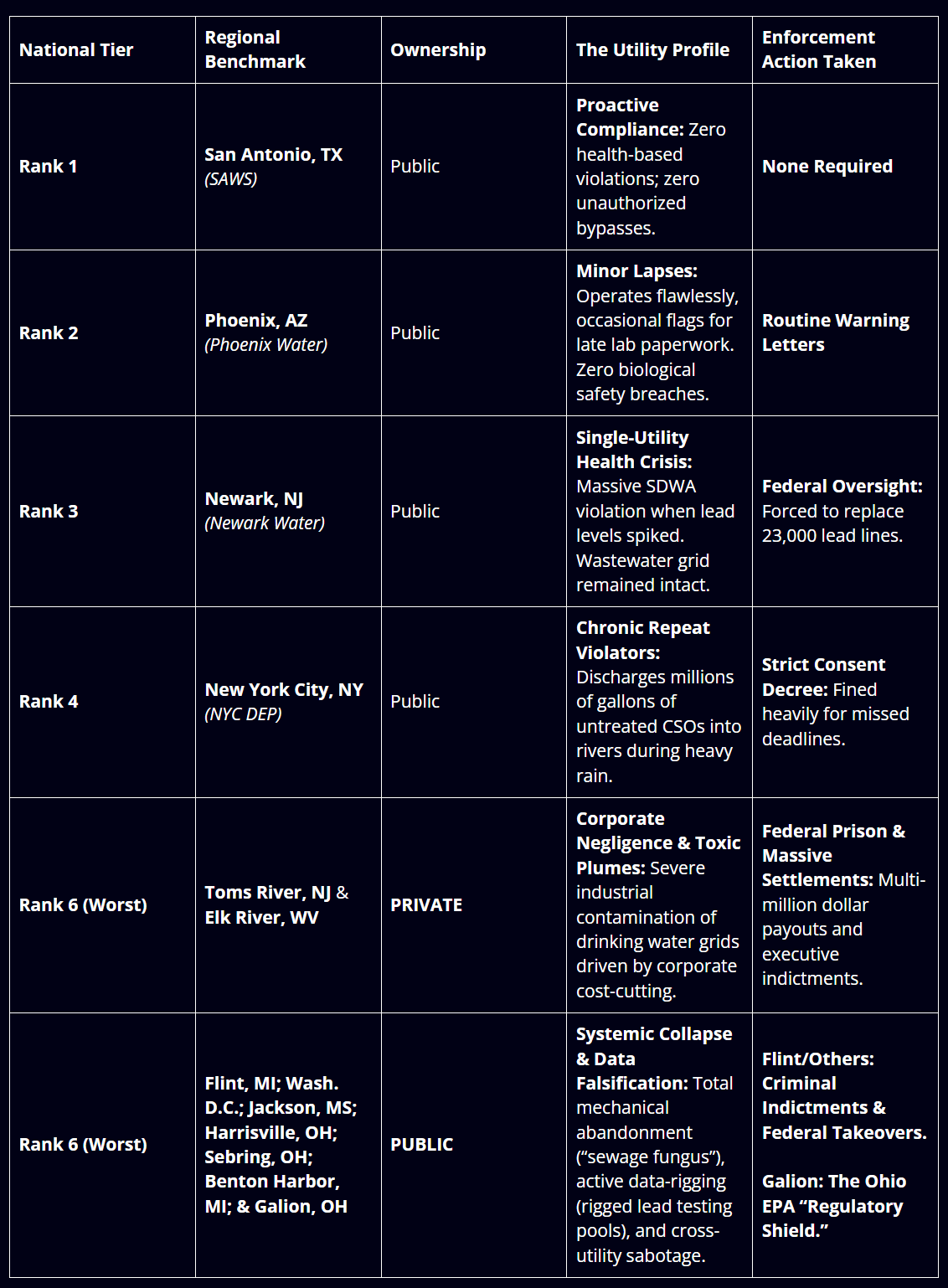
To demonstrate the ultimate difference between private liability and public shielding, we added 40 years of major historical precedents to the matrix.
The Megacity Breakdown: Why Galion’s Rank 6 is an Anomaly
- Ranks 1 & 2 (San Antonio & Phoenix): Large public cities prove that scale and aging infrastructure do not guarantee failure. By utilizing bonded capital reserves, they deliver billions of gallons of water without triggering federal SNC alarms.
- Rank 3 (Newark, New Jersey – ~310,000 residents): Newark suffered a massive lead crisis, but officials did not bleach their compliance maps or secretly sample with rigged numbers to hide the spikes. They acknowledged the crisis and fixed it under federal pressure.
- Rank 4 (New York City – ~8.3 million residents): NYC routinely dumps raw sewage into rivers during storms, but the U.S. EPA does not hand them a “Regulatory Shield.” They operate under a highly punitive, judicially enforceable Federal Consent Decree.
- Rank 5 (Baltimore, Maryland – ~569,997 residents): When Baltimore’s WWTP and drinking water grid simultaneously failed in 2022, the Maryland Secretary of the Environment legally stripped the municipal government of its authority and ordered the state to physically take over the plant.
- Rank 6 (The Falsification & Collapse Outliers – Public vs. Private): Rank 6 is reserved for utilities that combine catastrophic physical decay with active corruption, data falsification, or severe corporate negligence. When private entities like Toms River, NJ (~93,000 residents) or Elk River, WV (~300,000 affected) hit this tier, executives go to federal prison and corporations face multi-million-dollar class-action settlements. When public entities hit this tier, the federal or state government ultimately intervenes with force. In Washington D.C. (~678,000 residents) and Flint, MI (~78,900 residents), officials who manipulated lead testing pools to mathematically keep their cities under federal limits faced state and federal criminal indictments. In Benton Harbor, MI (~8,700 residents) and Sebring, OH (~4,100 residents), public officials attempting to hide toxic spikes were exposed and prosecuted. And in Harrisville, OH (~250 residents), mechanical abandonment led to emergency state intervention by the Attorney General.
- The Galion Anomaly (~10,400 residents): In Galion, Ohio, officials executed the exact same playbook as the worst public offenders on this list—manipulating testing pools, bypassing hundreds of millions of gallons of sewage, and manufacturing extreme levels of carcinogenic disinfection byproducts. Yet, instead of criminal indictments or a hostile takeover, state regulators actively coached the city on how to remove themselves from federal dashboards. The Galion Administration gladly carried this out, securing an administrative shield that effectively hides their failures from Washington.
The Anatomy of a Rank 6 Outlier
Galion is separated from 99.95% of American cities because it exhibits compounding operational, legal, and life-safety collapses occurring simultaneously. The sheer volume of tactical manipulation sets it apart from every other municipality on the federal docket, crossing the line from negligence into behavior possibly prosecutable under Ohio Revised Code § 2921.13 (Falsification) and 18 U.S.C. § 1001 (Federal False Statements).
The Insider Lead Ring & Systemic Falsification
To date, the City of Galion has not been proven to have a systemic lead crisis.
However, this may be highly likely due to the administration’s initial padding of the testing metrics to ensure a crisis would never be found.
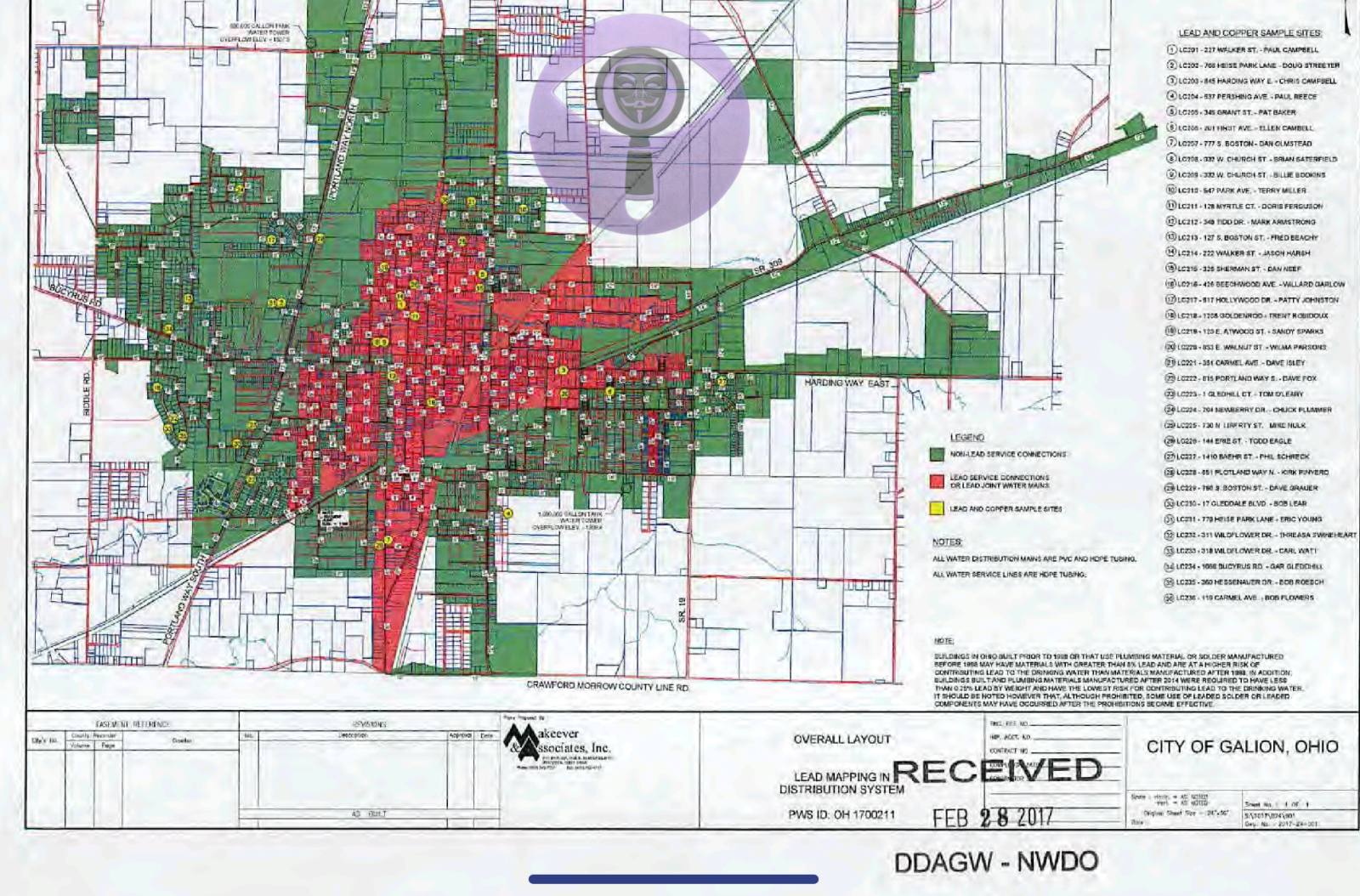
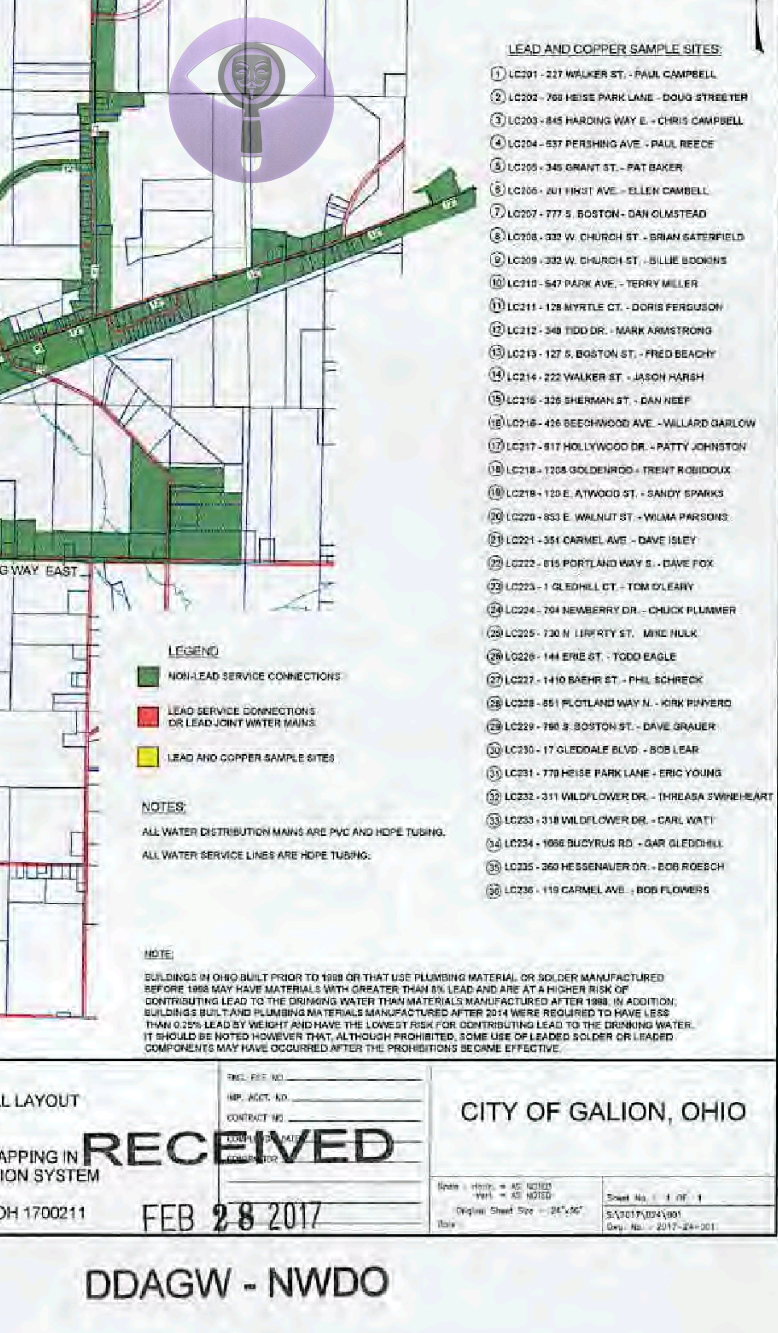
FEBRUARY 28, 2017 (ORIGINAL MAP)
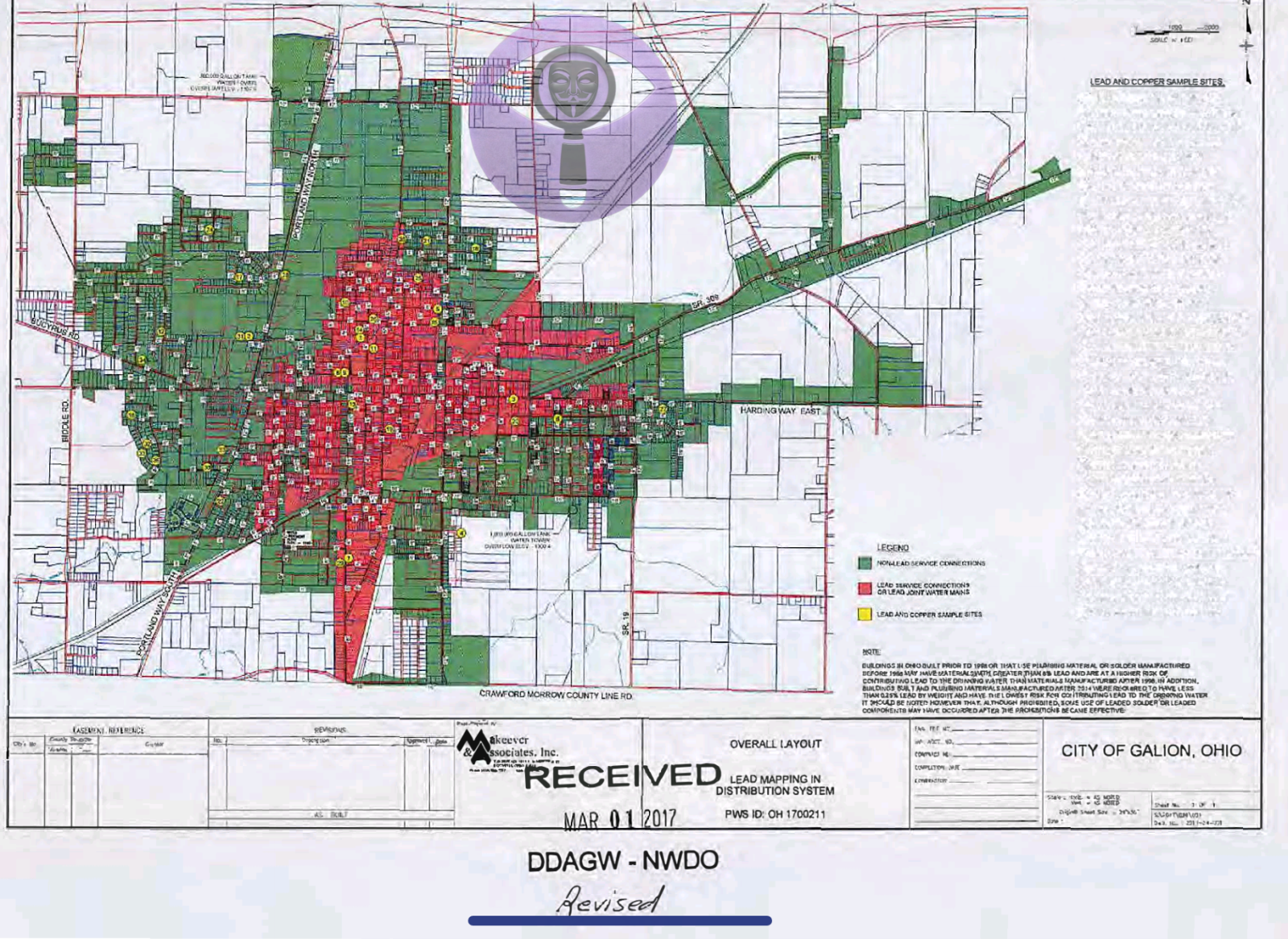
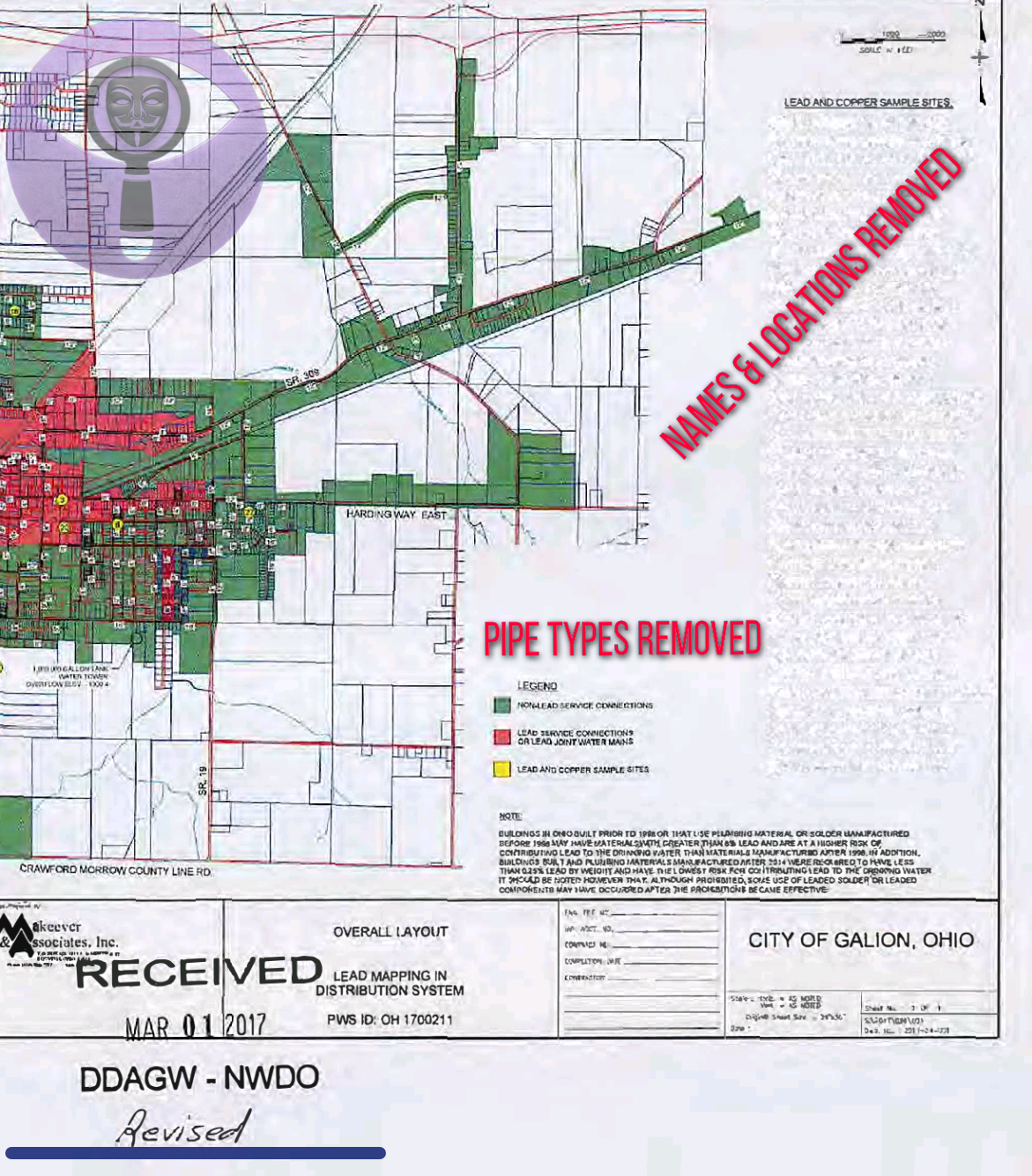
MARCH 1, 2017 (REVISED Map)
Read the full investigation into the lead map bleaching in “Toxic Tides: The Lead They Chose to Follow”
Under federal law, utilities must pull 100% of their samples from high-risk “Tier 1” lead homes. In February 2017, the city submitted an unredacted map to the Ohio EPA showing its true lead zones. Just 24 hours later, the city submitted a “Revised” map—bleaching 36 names, deleting a completely fabricated engineering note that falsely claimed all city mains were made of PVC/HDPE plastic, and erasing the red lead corridor along Portland Way South.
By planting 64% of its compliance sites in safe “Non-Lead” green zones, the city mathematically diluted its failure rate. This locked-in pool included the homes of then-Mayor Tom O’Leary, late City Council President Carl Watt, Water Plant Lab Tech Doug Streeter, Wastewater Crew Chief Mark Armstrong, and Fire Captain Todd Eagle.
Then-WTP Superintendent Paul Campbell even tested his own tap and certified his own compliance.
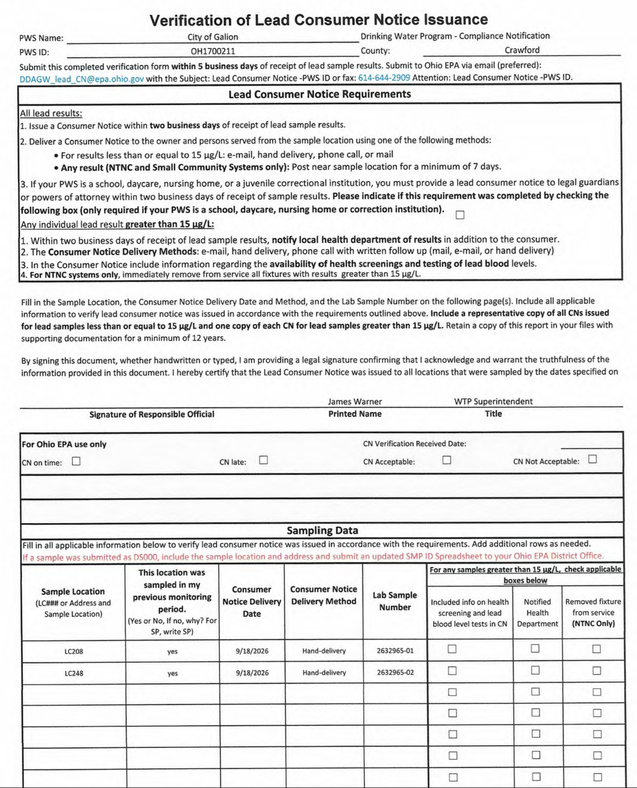
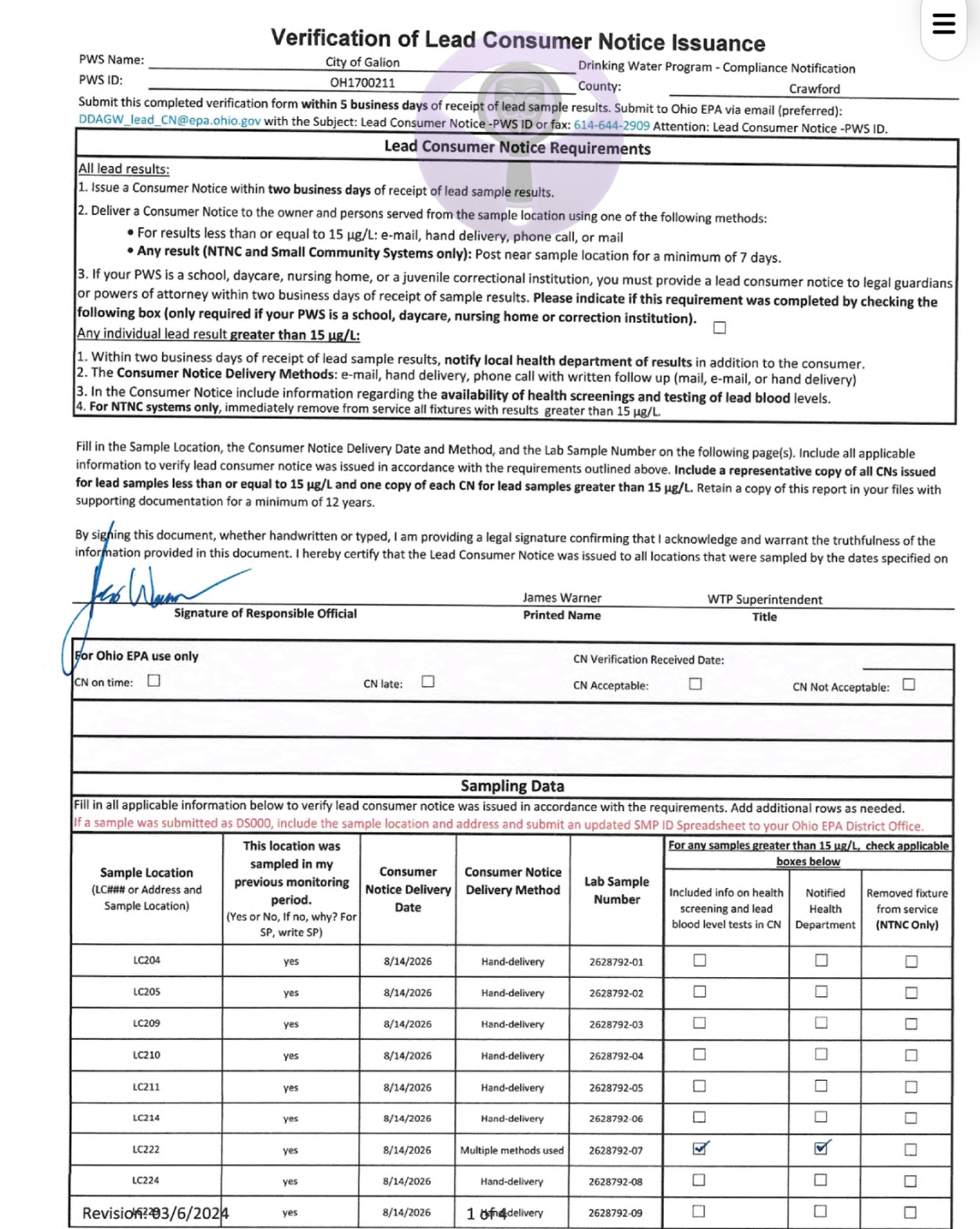
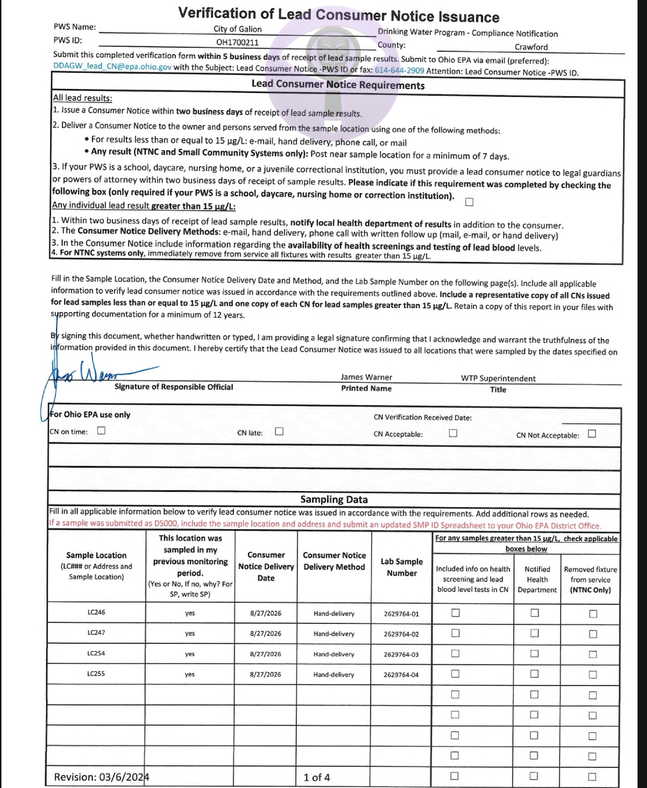
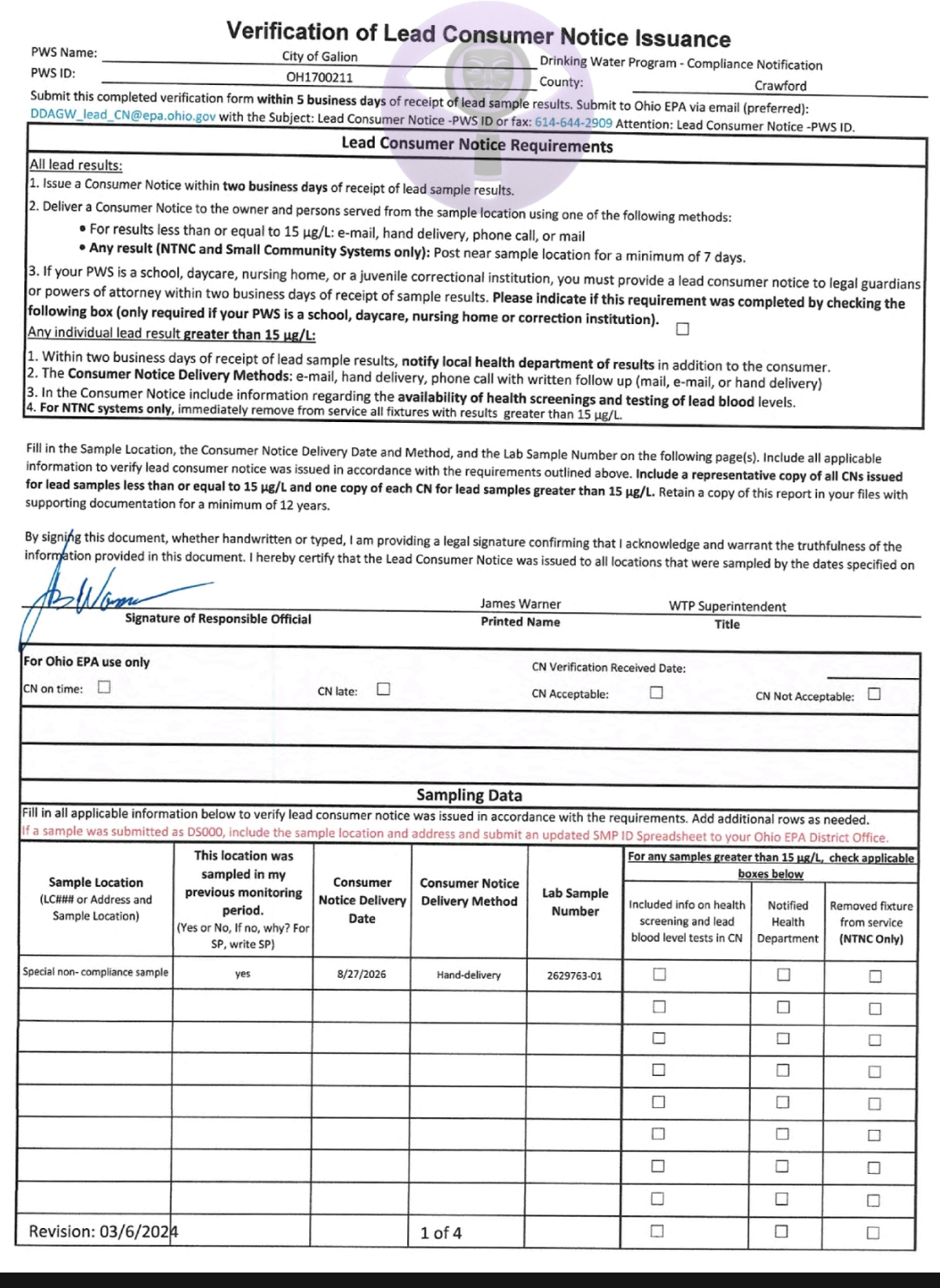
When local plumber Dave Fox’s bathroom sink spiked to a highly toxic 51 µg/L in August 2026, the city went into damage control. Superintendent James Warner delivered Fox’s notice nine days late with an unedited, blank placeholder template for medical blood testing.
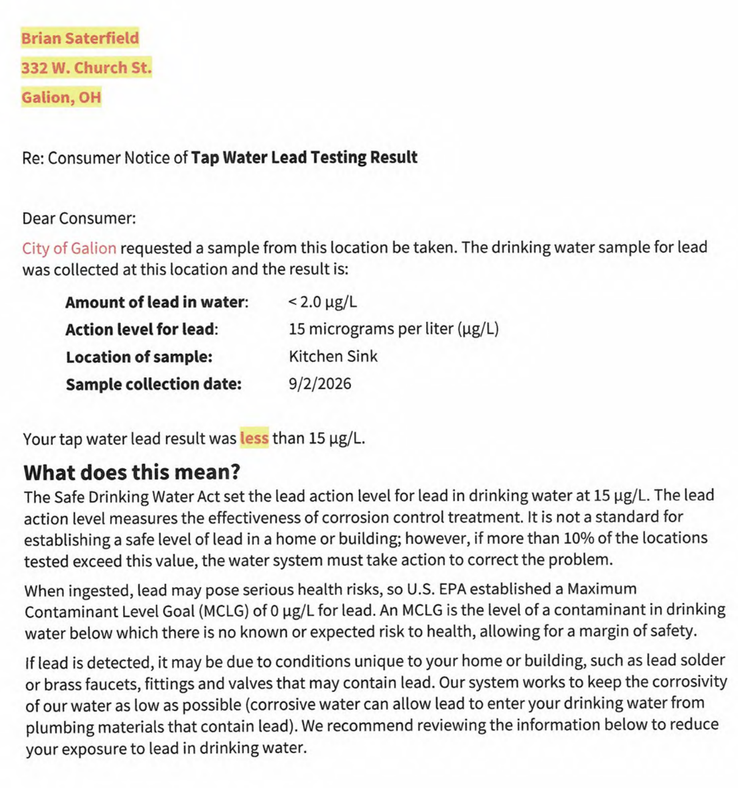
Days later, the city sampled sitting Mayor Brian Saterfield’s kitchen sink (LC208) to successfully pull a <2.0 µg/L reading and dilute the pool.
Meanwhile, the city certified under penalty of law that zero Sanitary Sewer Overflows (SSOs) occurred in 2024, directly contradicting its own eDMR record of a verified May 9, 2024 raw sewage spill onto a public bike path due to a C-lift failure.
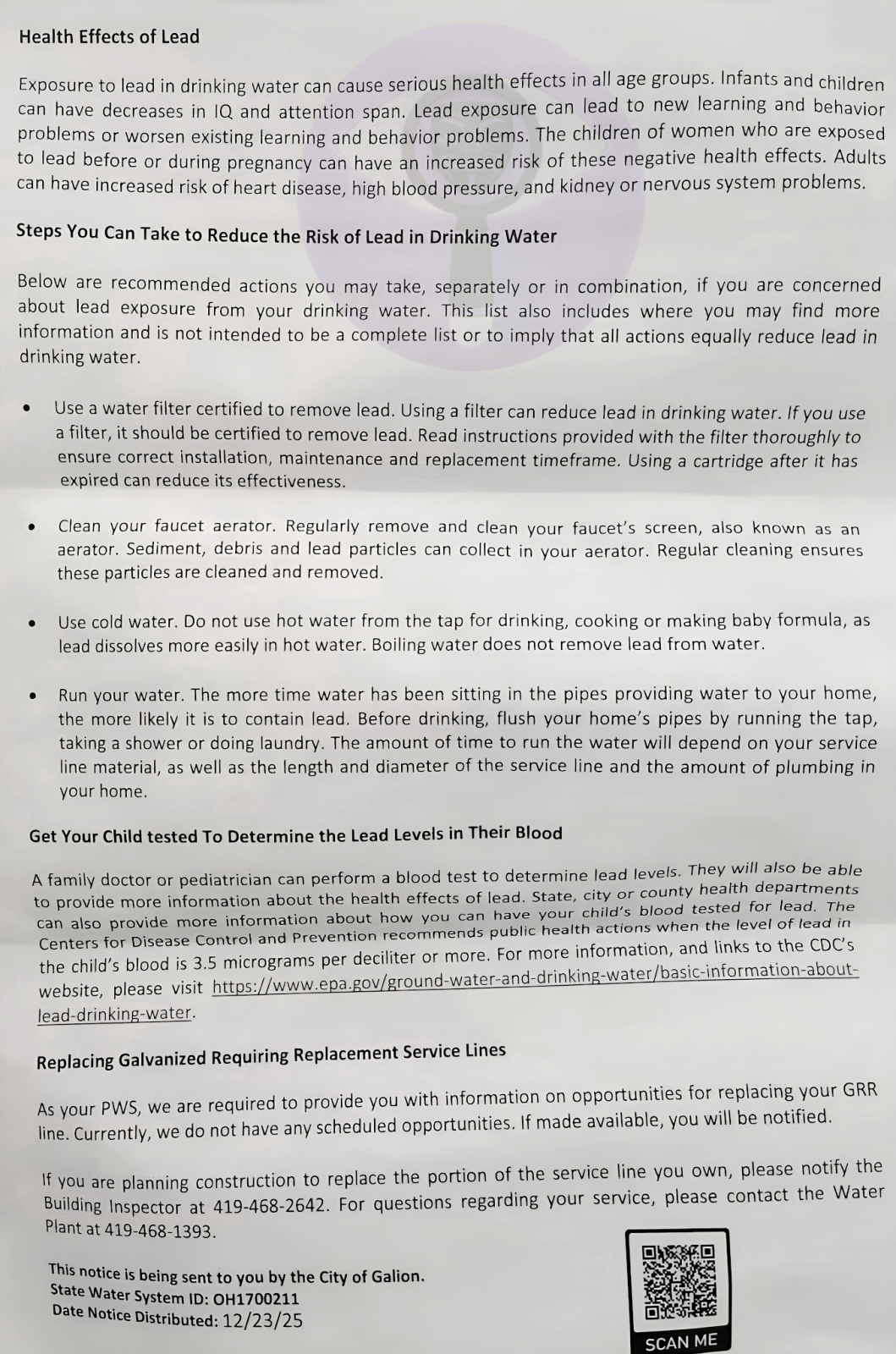
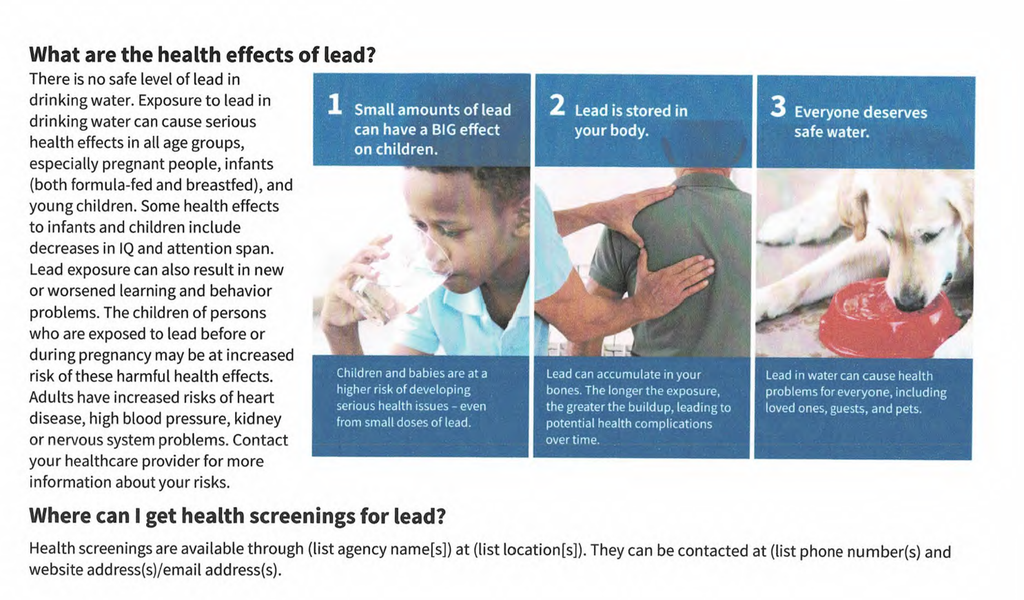
The Engineering Contradiction, The Smoke Testing Lie, & Physical Collapse
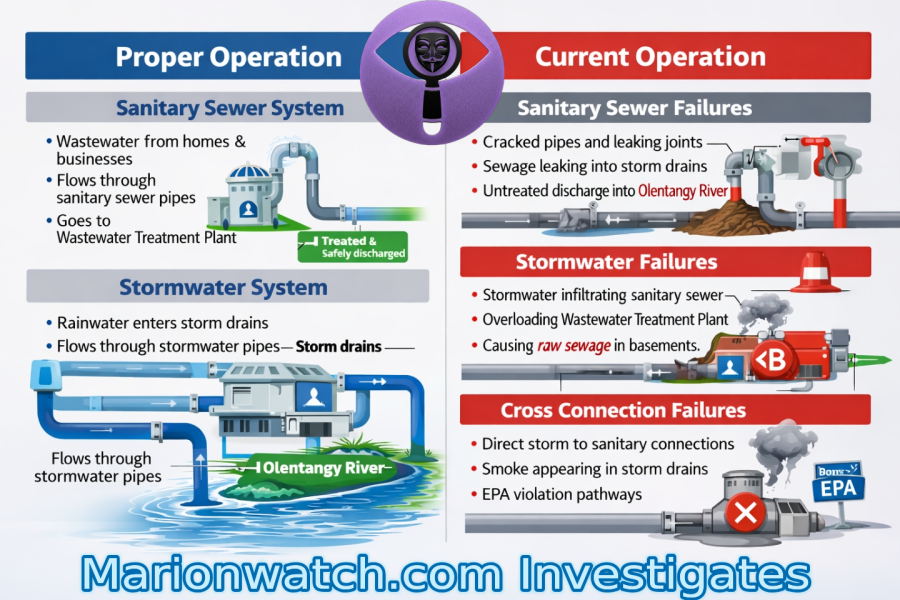
On Page 5 of its Fact Sheet, the Ohio EPA declares: “The City of Galion has 100% separate sewers.” In a truly separated system, rainwater never enters the sanitary pipes.
This statement is a profound, undeniable contradiction.
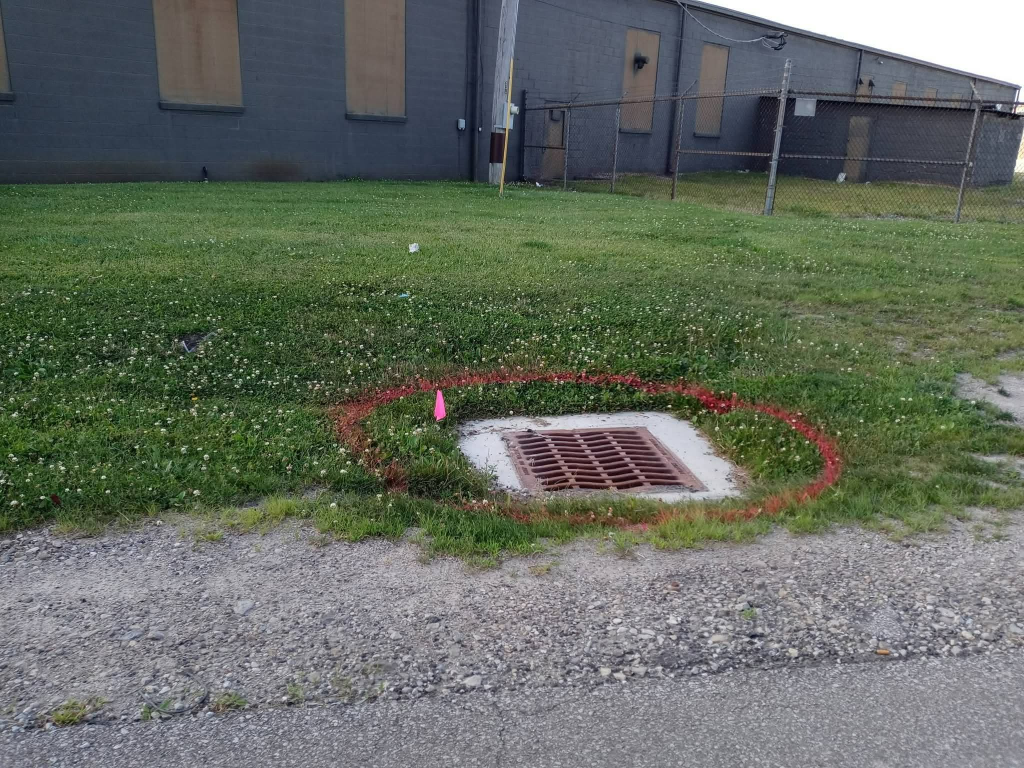
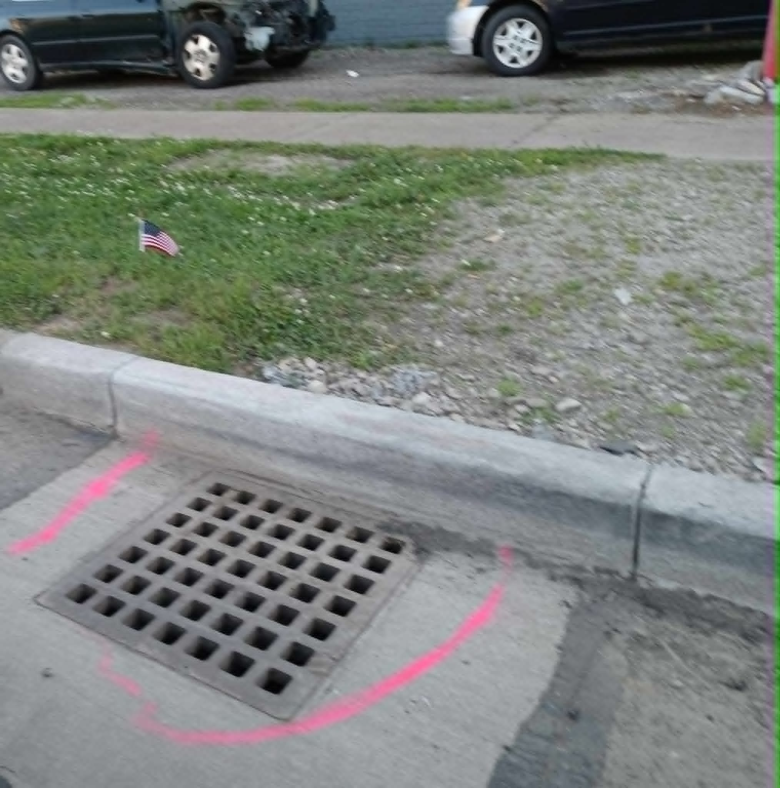
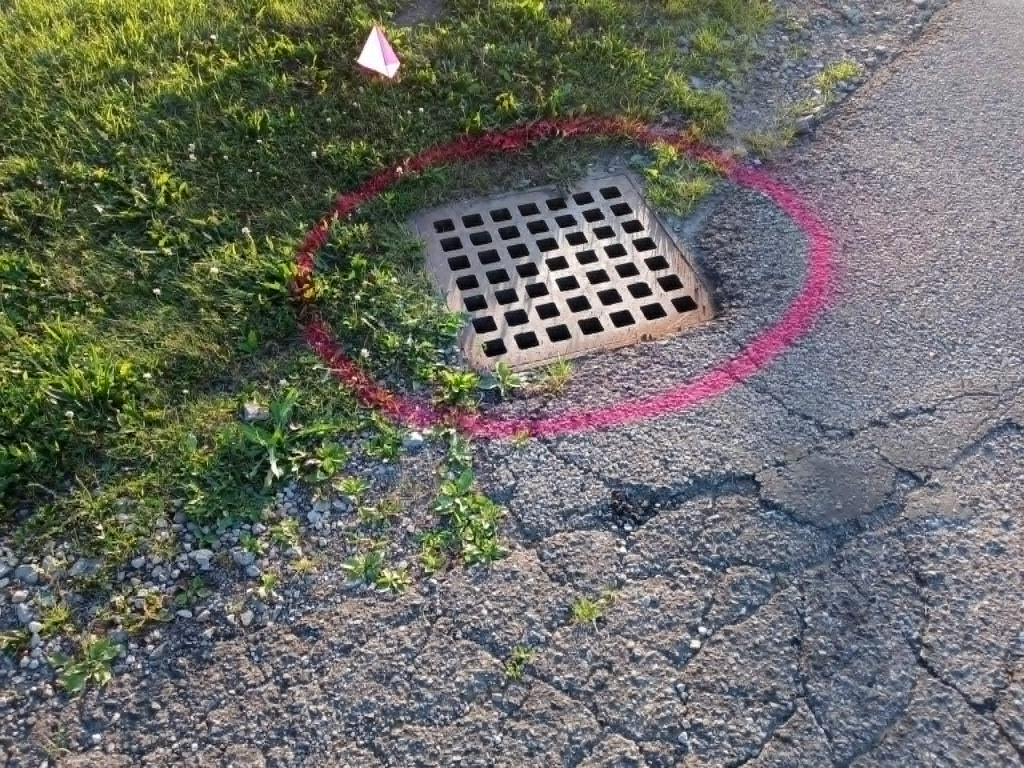
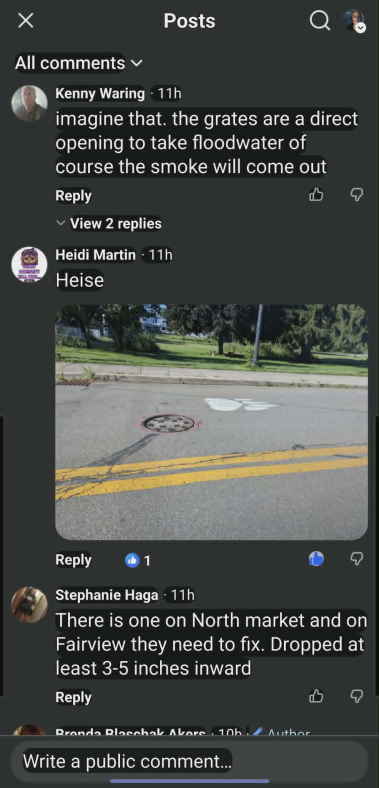
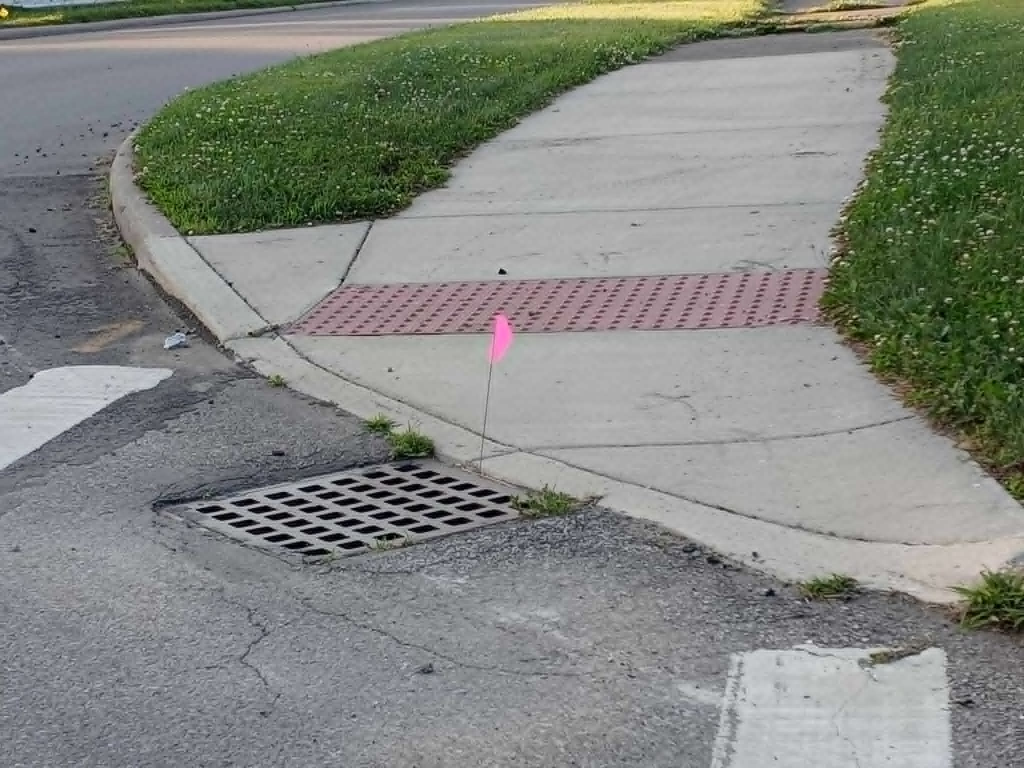
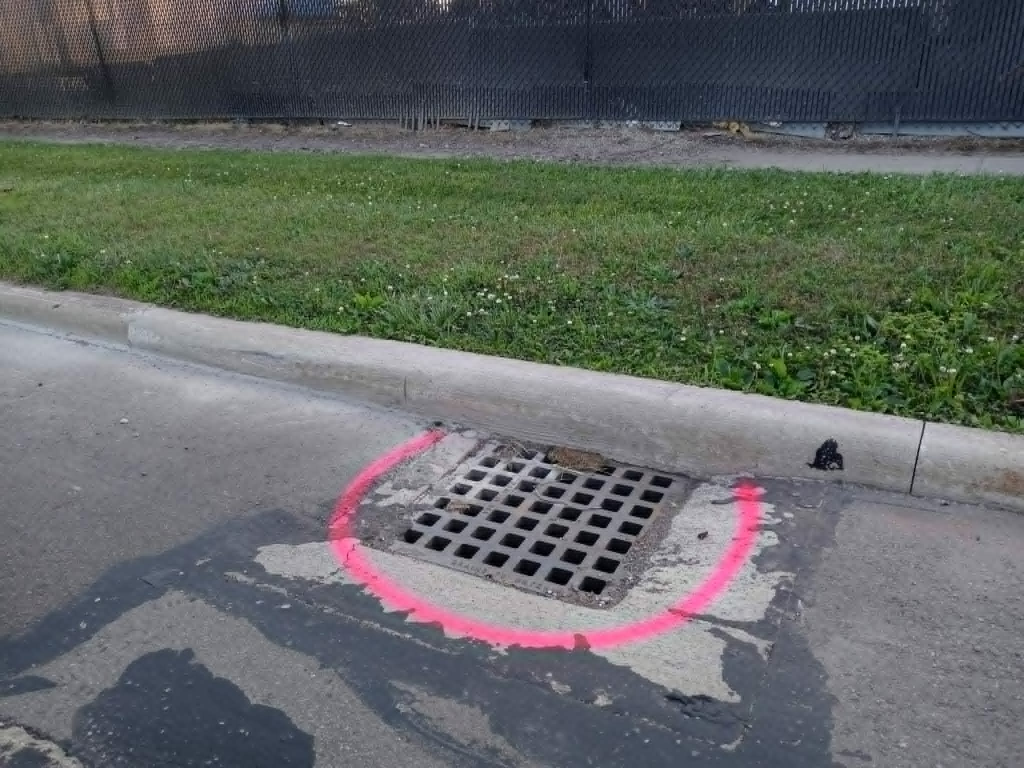
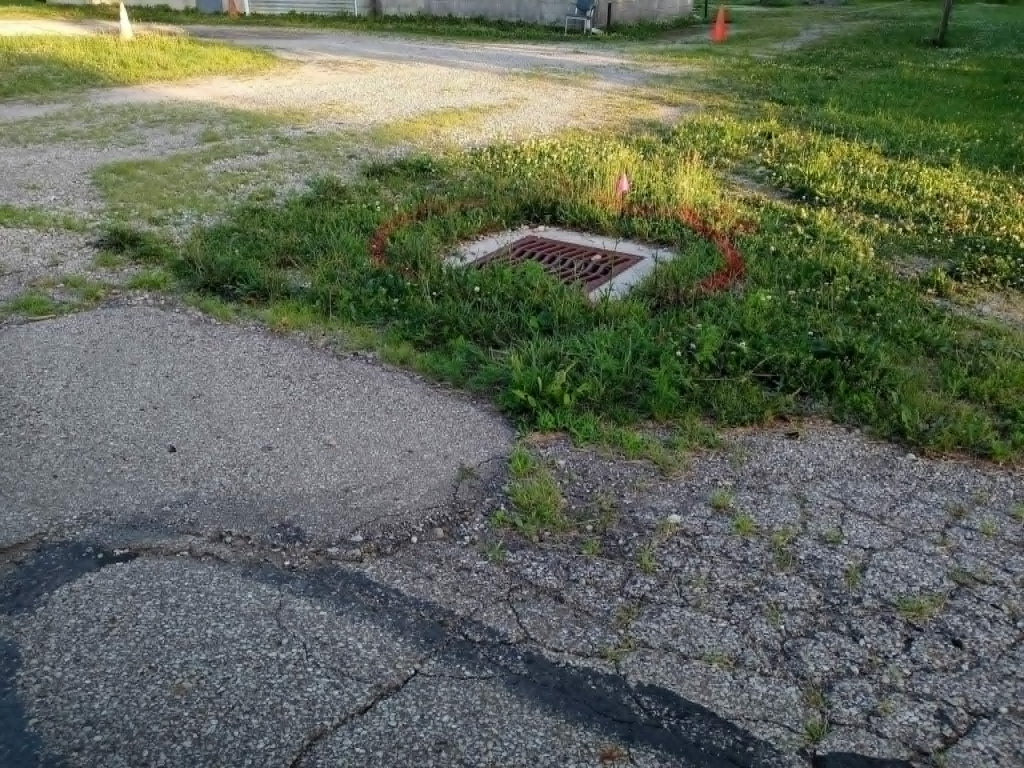
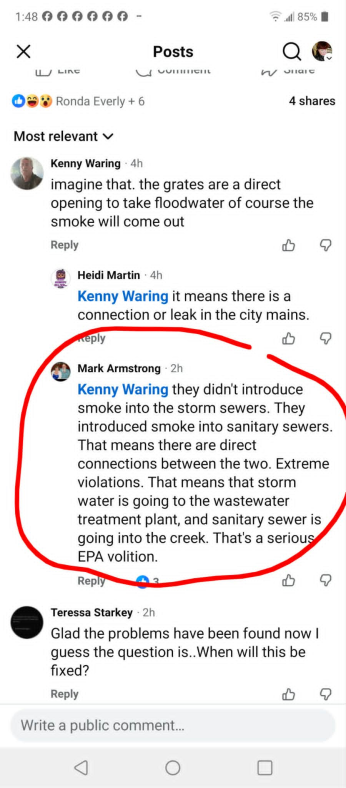
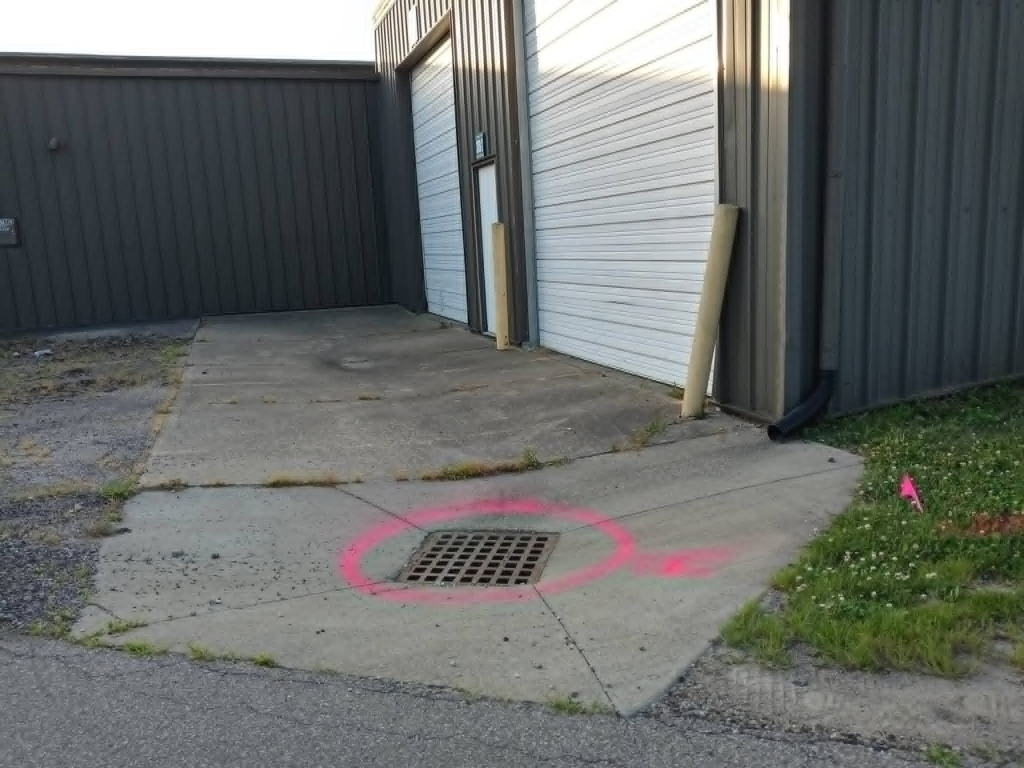
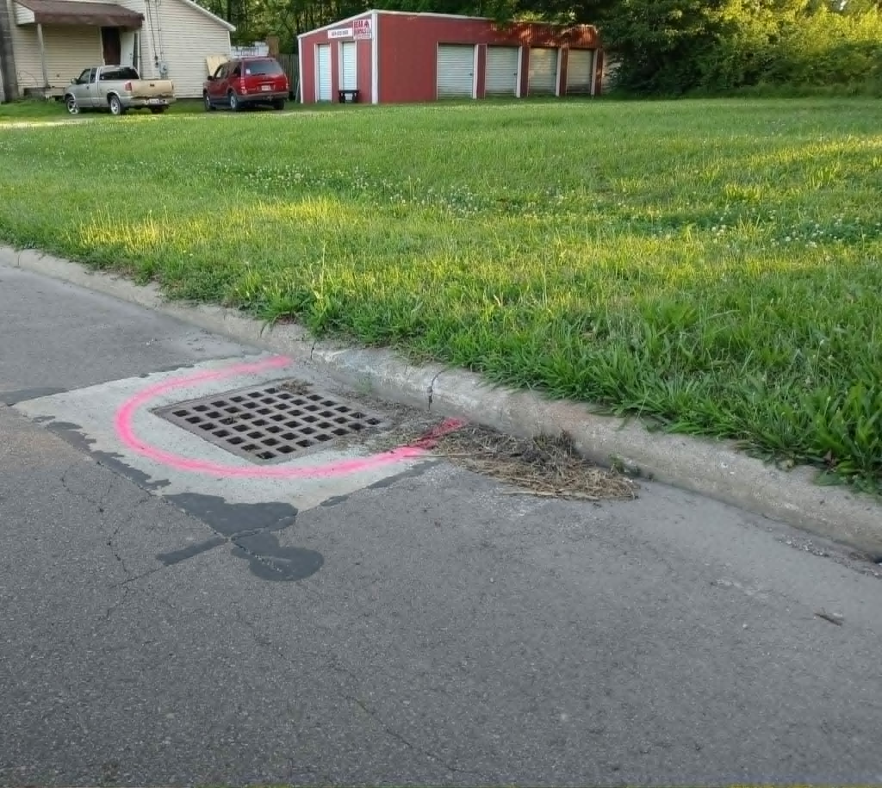
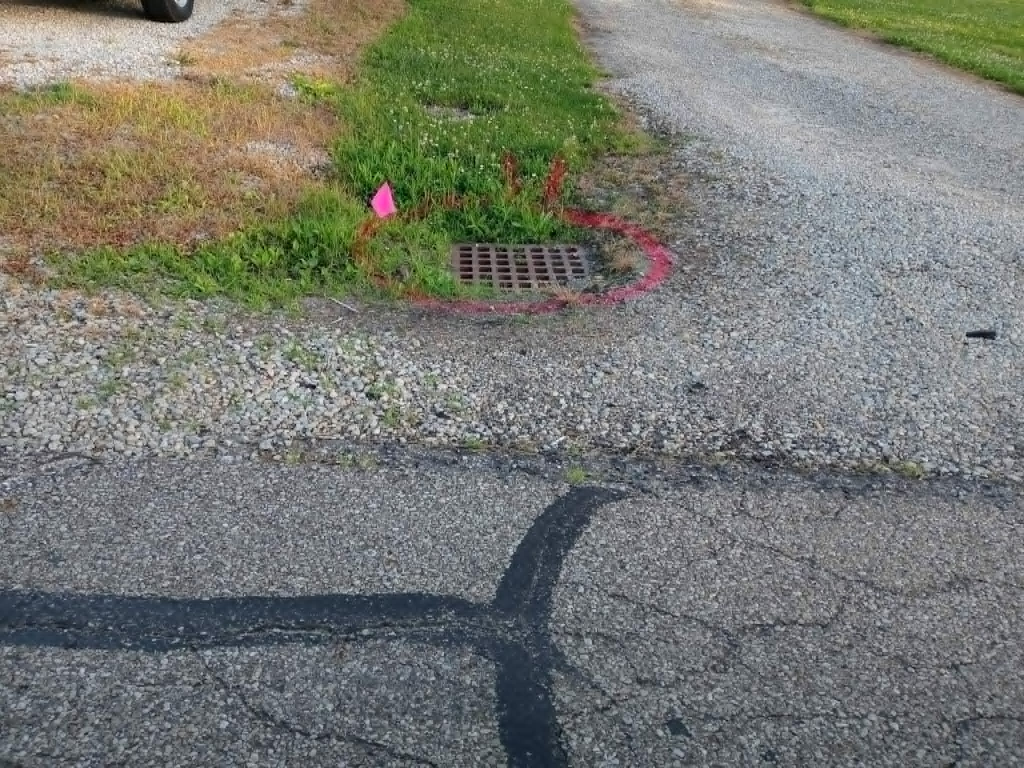
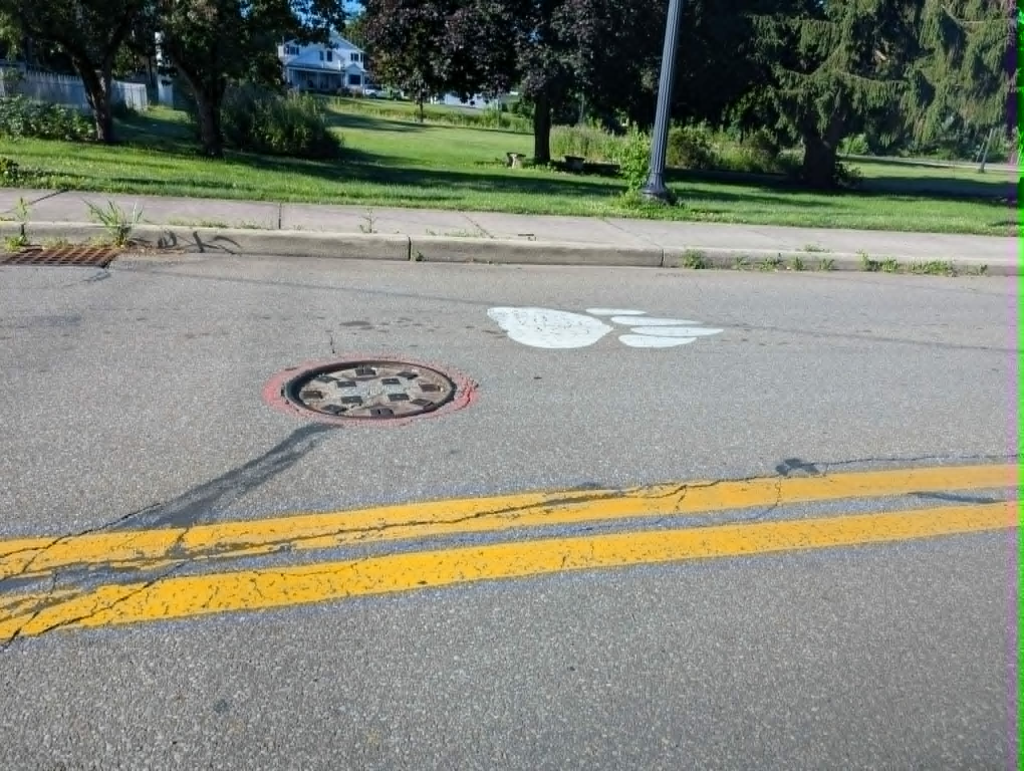
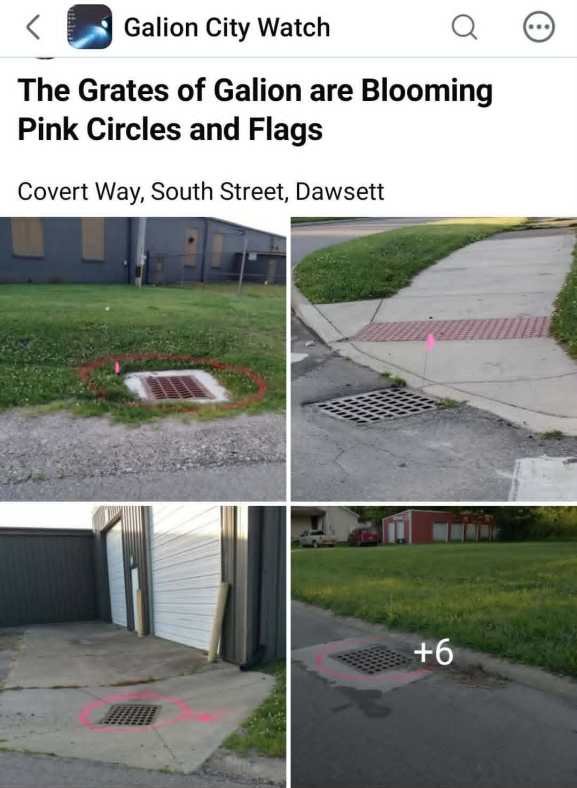
The city’s own Wessler Engineering smoke testing physically proved the “100% separated” claim to be a lie. When crews pumped non-toxic smoke into the sanitary lines, thick plumes billowed directly out of municipal street storm grates—visual, mechanical proof that the sanitary and stormwater systems are actively cross-connected and leaking into one another.
GALION OHIO SMOKE TESTING
Read the full visual breakdown in “Galion Smoke Testing Update”
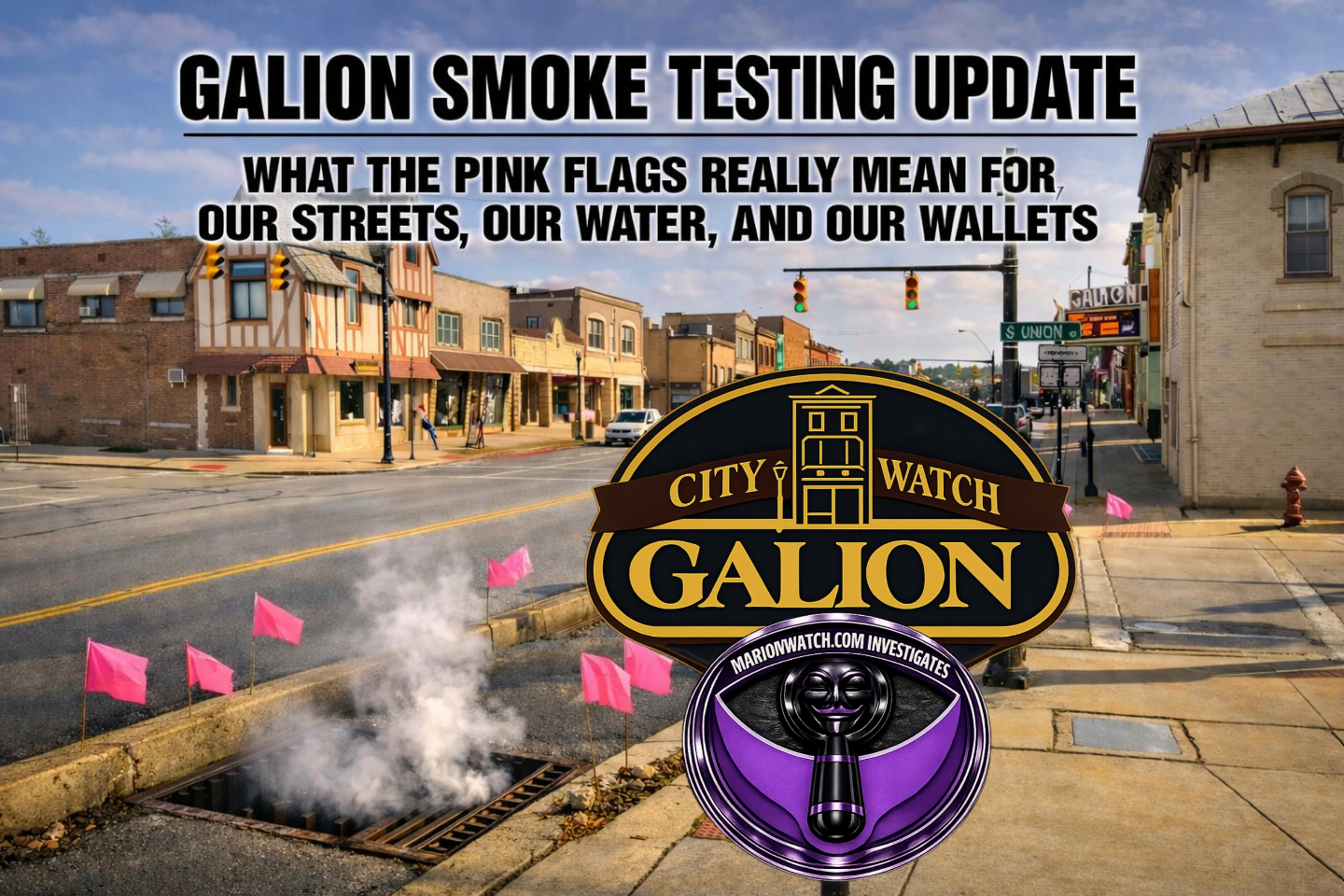
Despite this active cross-contamination, the state blindly licenses Station 602—a permanent, “set-in-place weir with no operator adjustments” designed to dump raw sewage directly into the Olentangy River when stormwater illegally floods the sanitary grid.
Furthermore, on September 3, 2026, the city successfully filed for a “No Exposure Certification” (NOE) to terminate its industrial stormwater permit, legally swearing that zero industrial waste is exposed to stormwater—while concurrently smoking their own broken pipes and having state inspectors document a stormwater catch basin choked with solid waste.
The overloading in the 1908 clay Olentangy Trunk is so severe that manhole lids are left unbolted and blow into the river, while leaking lines have caused streets on North Market, Fairview, Jefferson, and Church to sink 3 to 5 inches.
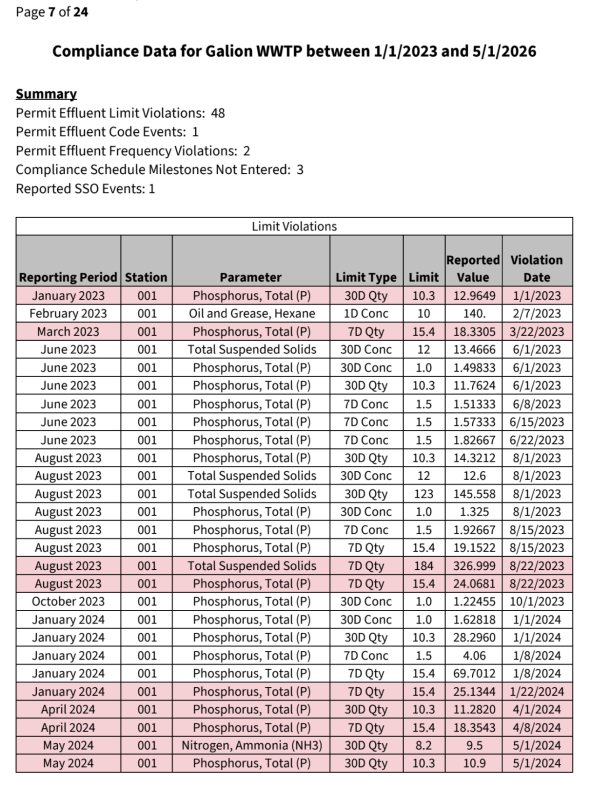
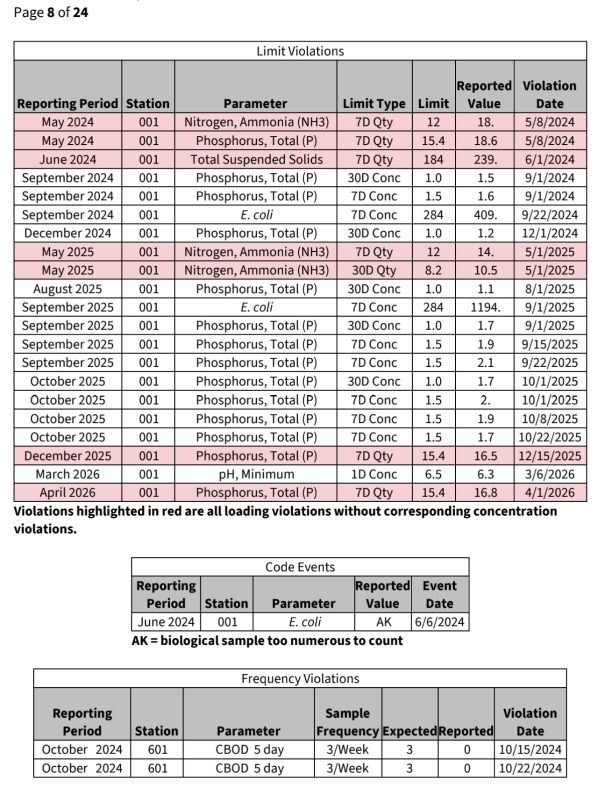
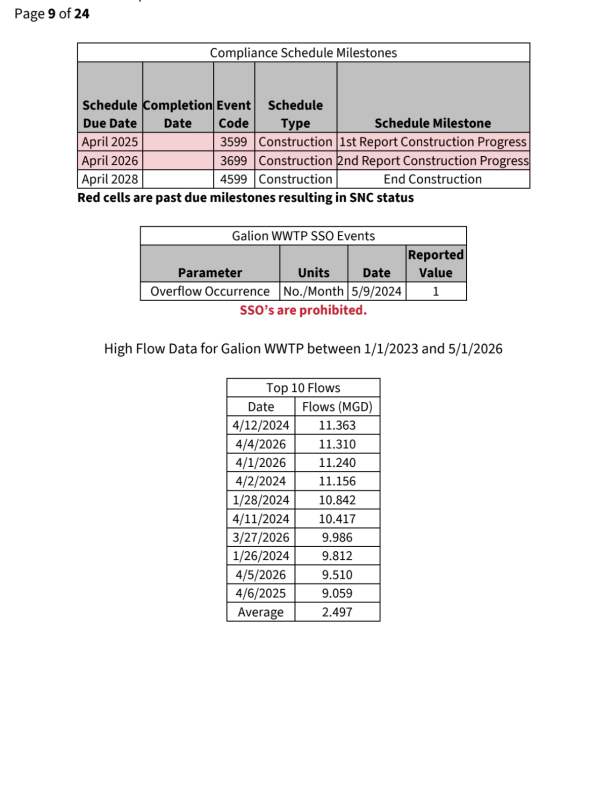
Between January 2023 and May 2026, Galion logged 68+ permit breaches.
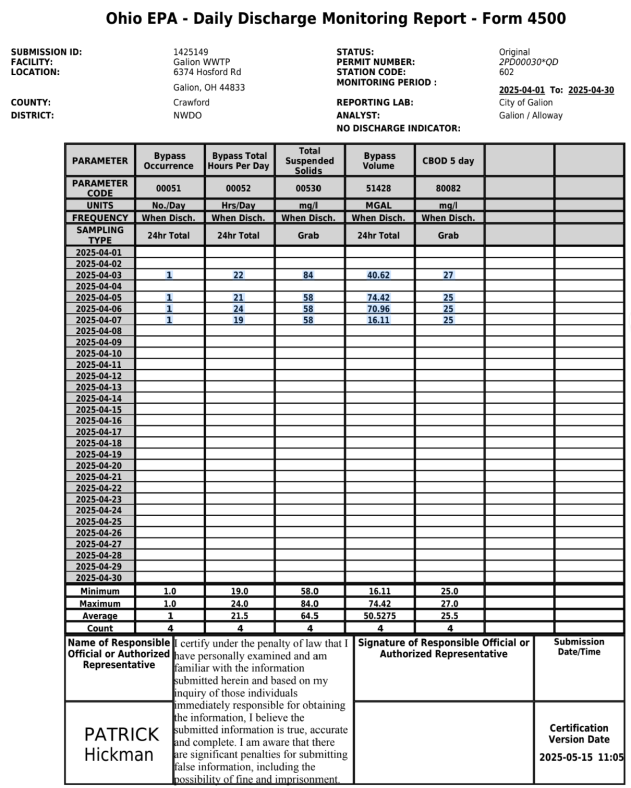
In April 2025, the plant bypassed over 200 million gallons of sewage, peaking at 11.36 MGD (far above its 8.5 MGD capacity), with a June 2024 code event documenting bacteria “too numerous to count.” And in September 2025, E. coli levels spiked to 1,194 #/100 mL.
COMPLIANCE DATA INCLUDING E. COLI
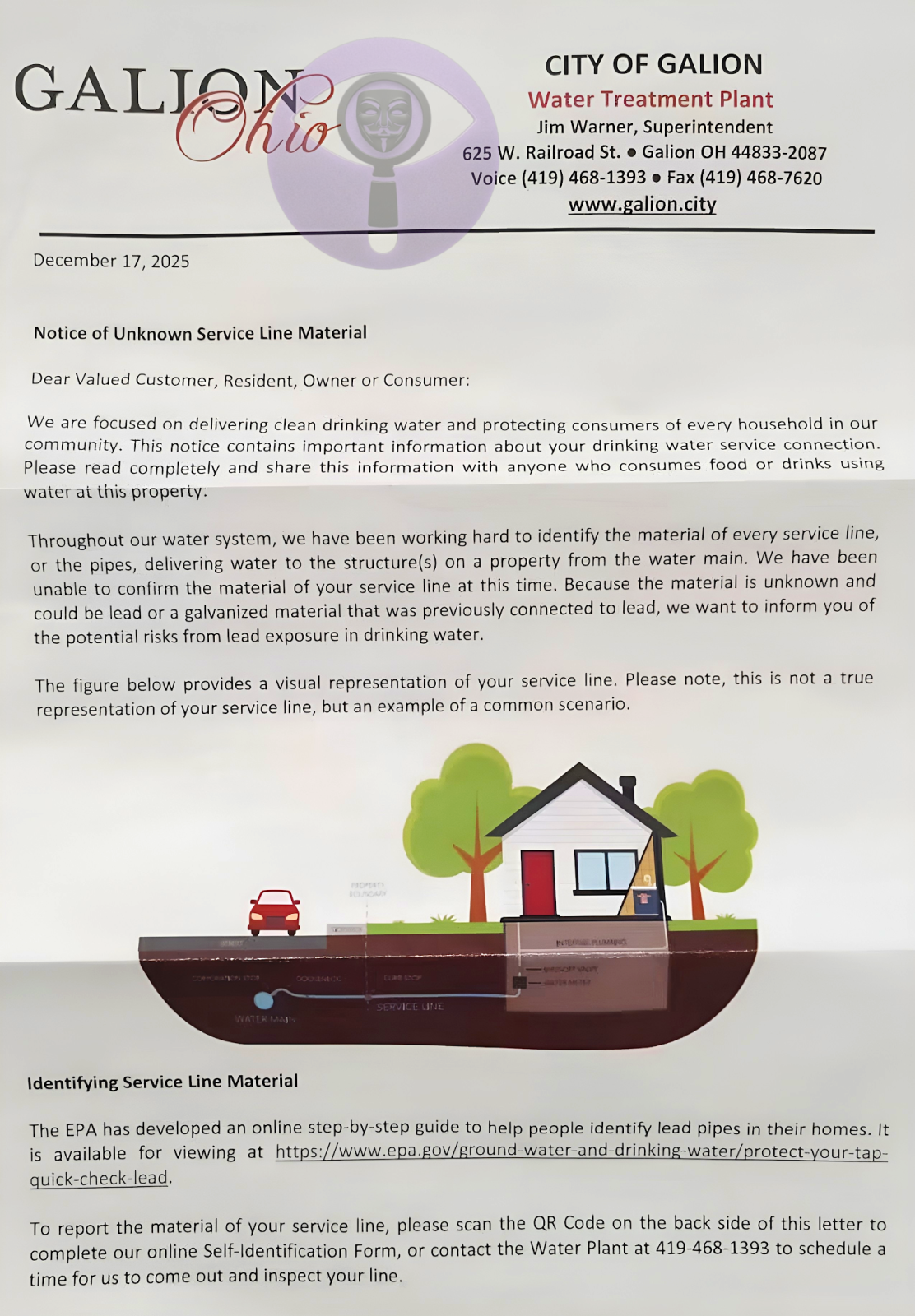
LEAD TESTS 2017/2025
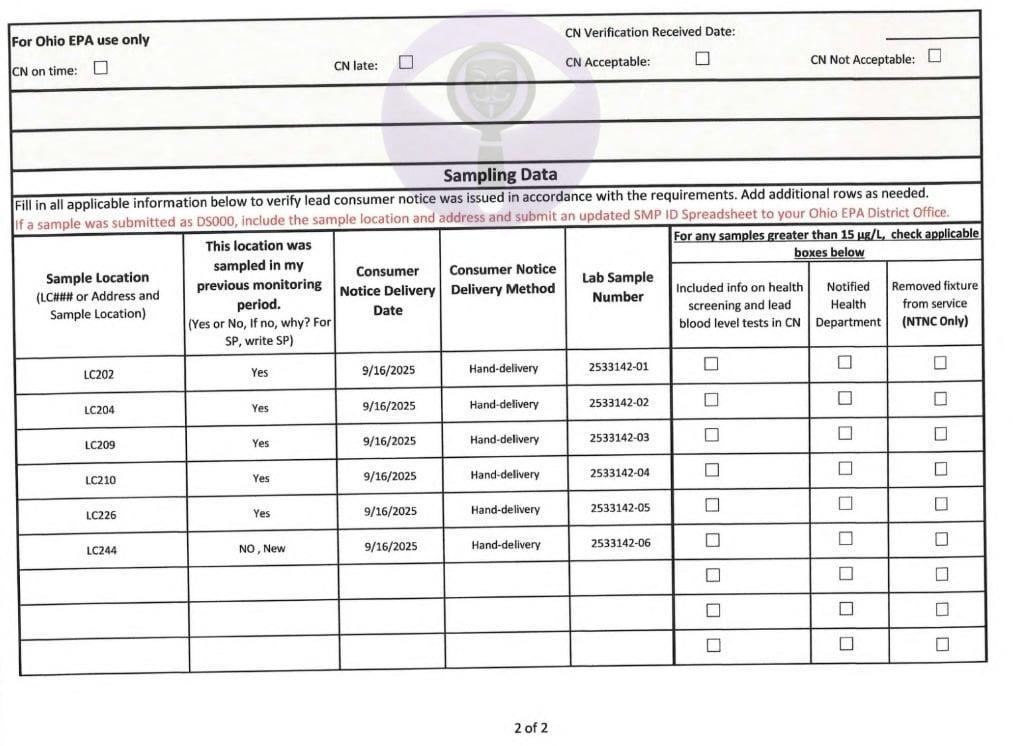
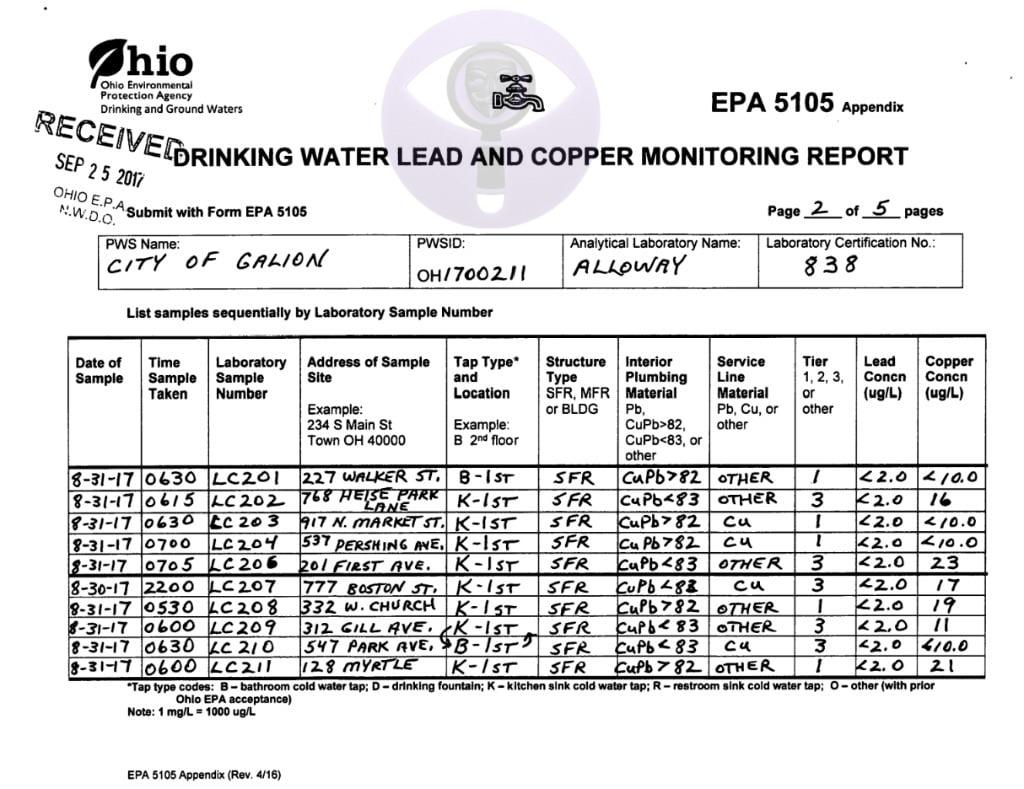
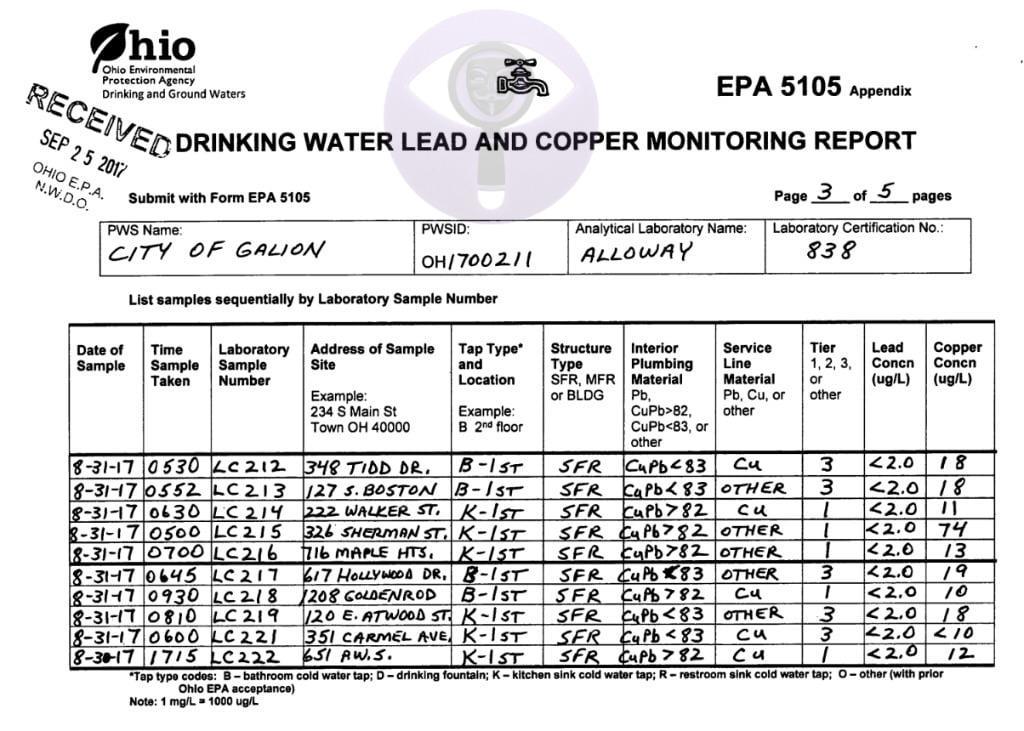
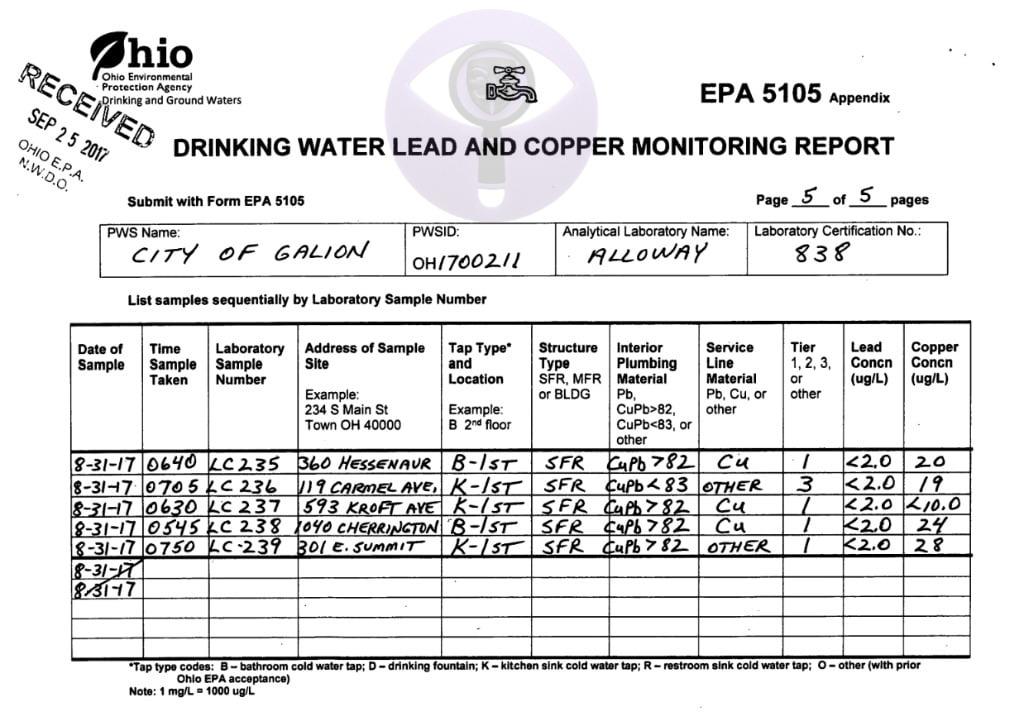
LEAD TEST #1 AUGUST 2026
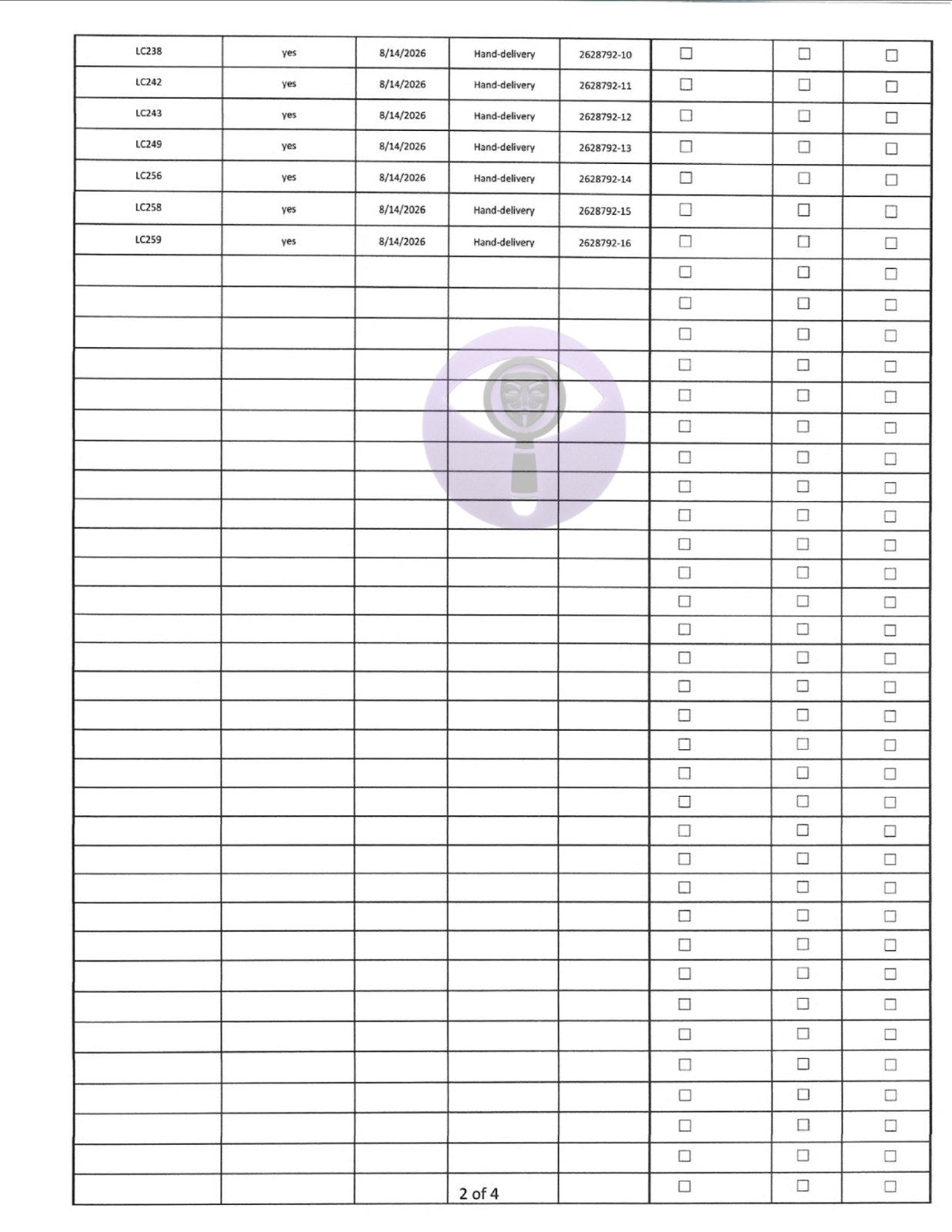
LEAD TEST #2 AUGUST 2026
Unabated Safety Hazards & Whistleblower Retaliation
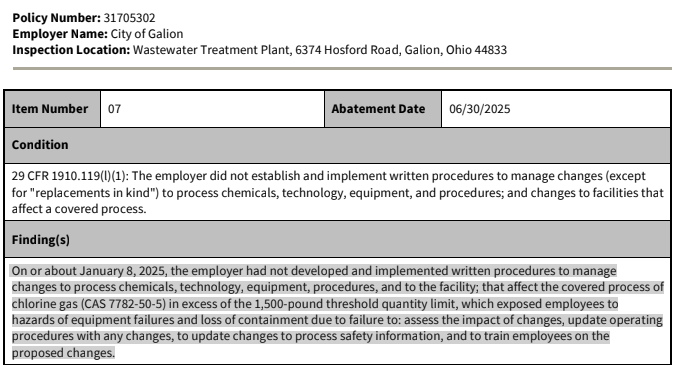
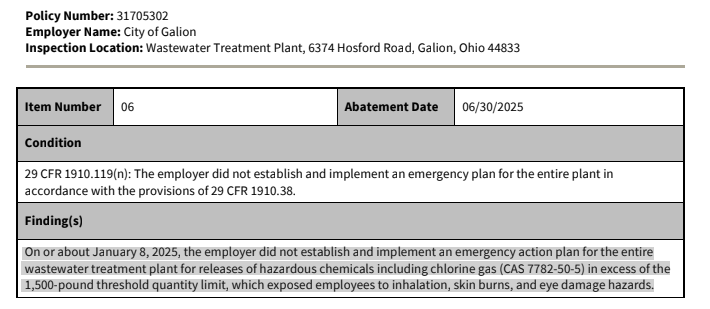
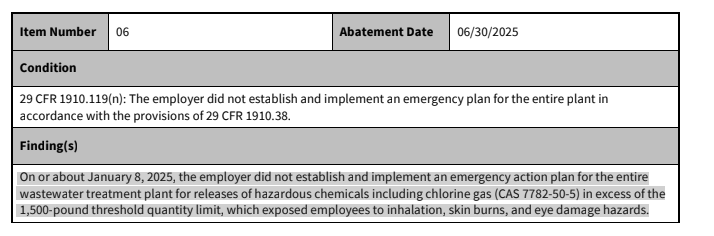
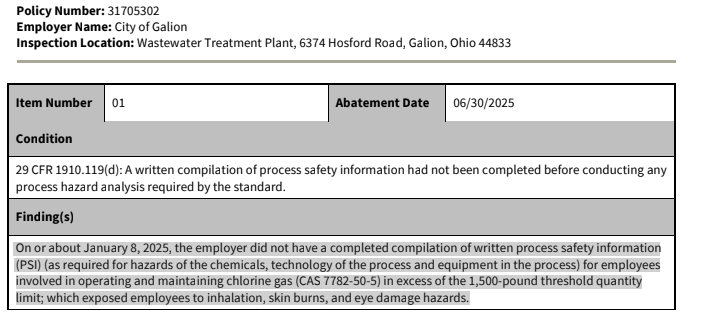
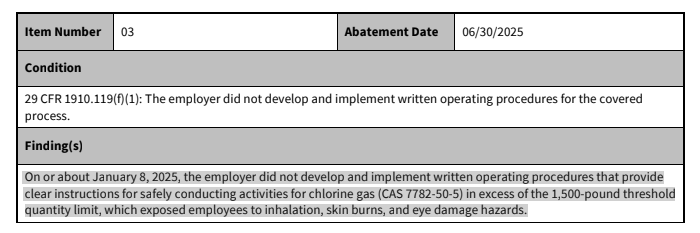
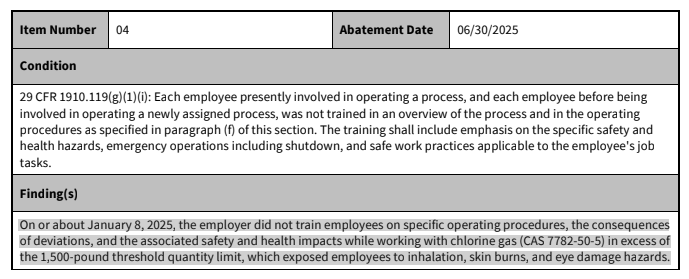
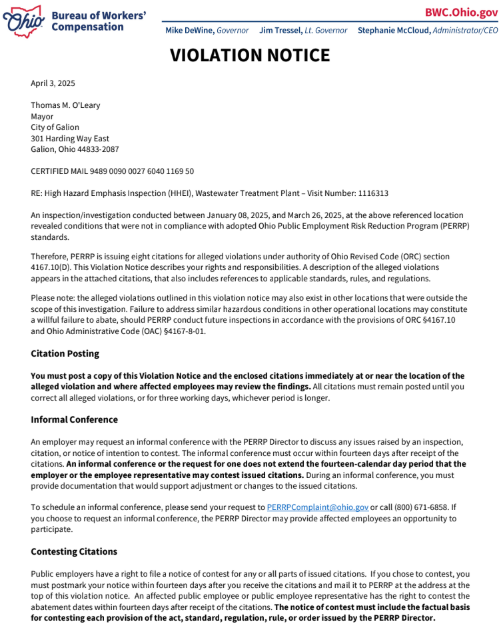
Less than 1% of municipal plants nationwide are cited for complete Process Safety Management (PSM) absence. Galion was hit with 8 major PERRP citations (Visit #1116313) for storing over 1,500 pounds of lethal Chlorine gas with zero hazard analysis or emergency action plans.
Audits documented removed makeup air ventilation in the Chlorine Building replaced with an illegally ducted wall heater; tied-up emergency shower pull-chains; an empty, broken eyewash station; and failed 1981 Worthington pumps spraying raw sewage under plastic sheets risking “Sewage Worker’s Syndrome.”
This negligence triggered the resignation of Class III Superintendent Patrick Hickman on April 6, 2026. Despite having received a 5% raise in 2023 and a 4% merit raise just months prior in December 2025, Hickman’s file was subsequently marked “Ineligible for rehire” and “Insufficient notice given” by Safety-Service Director Nicole Ward the very day he quit in a blatant act of whistleblower retaliation.
In an explosive Open Letter to the citizens, Hickman stated: “The failures we see today are the result of administrative decisions that chose to ignore the expertise of the people actually running the plants… I will not lose my professional license to save face for an administration that refuses to even read the permits they are legally bound to follow.”
Hickman also noted the plant was operating with only 4 staff members when 8 were required, and that the supervision of water and sewer mains had been unlawfully handed over to unlicensed Street Department crews.
It is important to note that all of Hickman’s disclosures have proven to be true despite these things being denied for many years, according to Galion citizens, current, and former city employees.
GALION OHIO SAFETY VIOLATIONS
Read Hickman’s full letter in “A Class III Crisis”
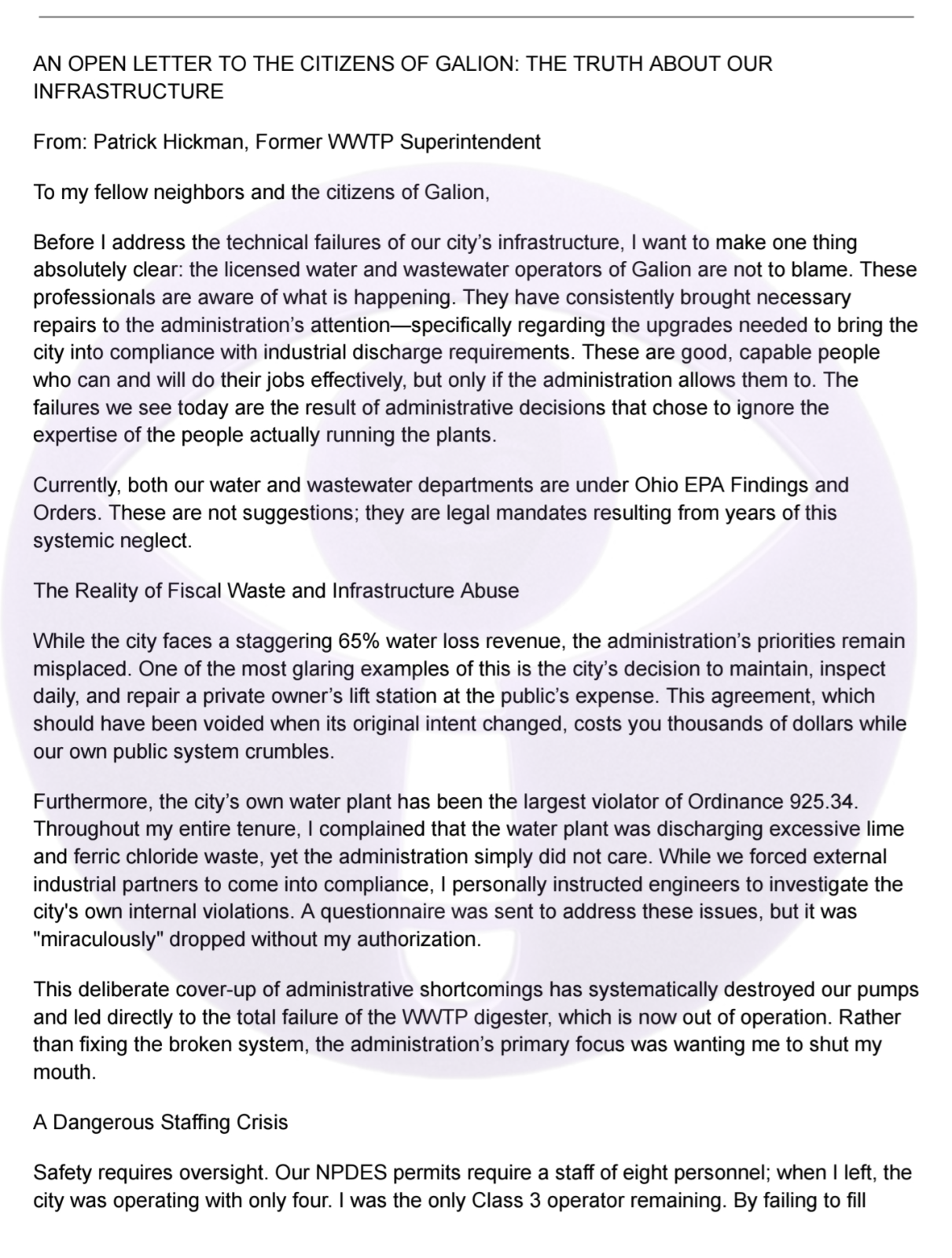
PATRICK HICKMAN LETTER TO CITIZENS
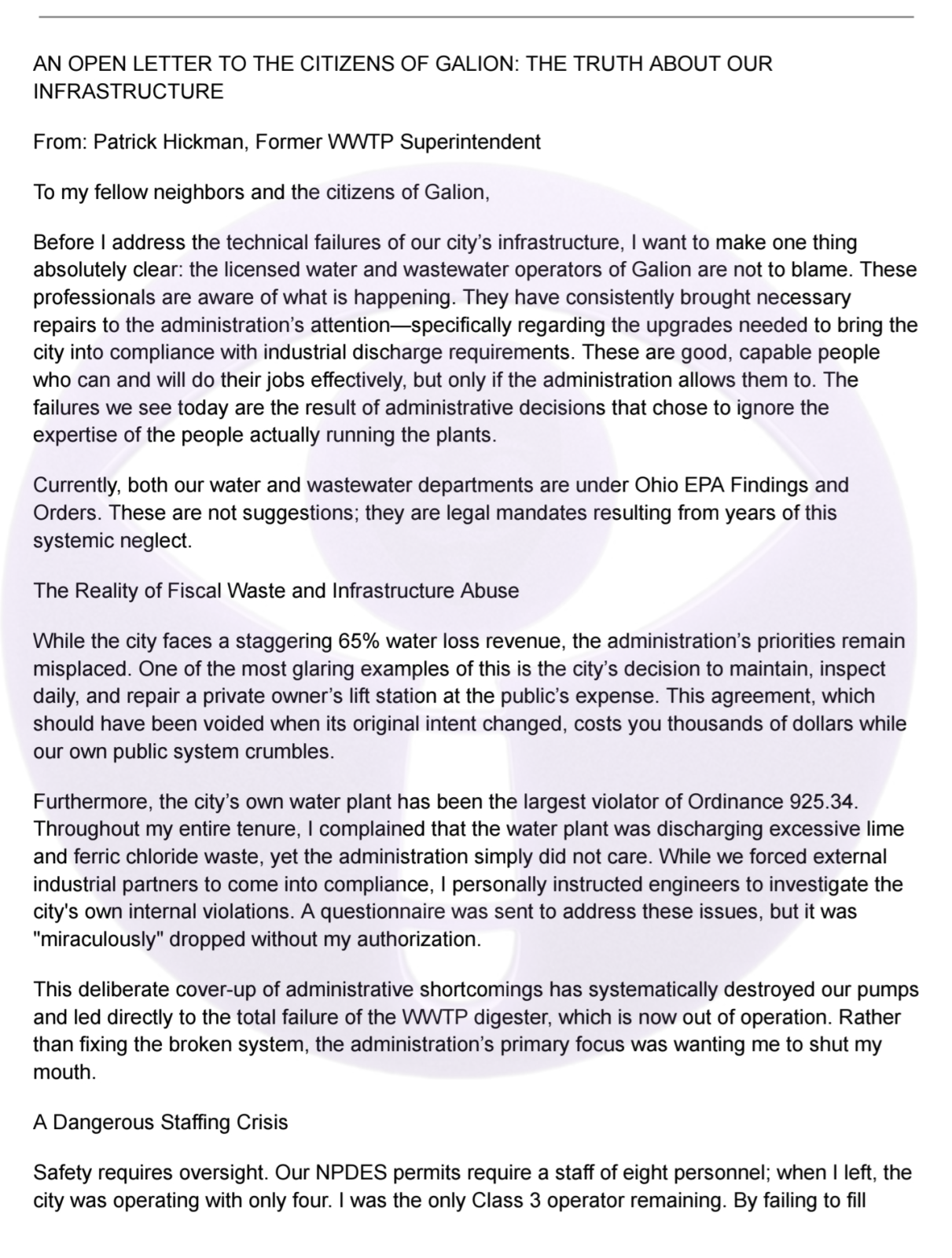
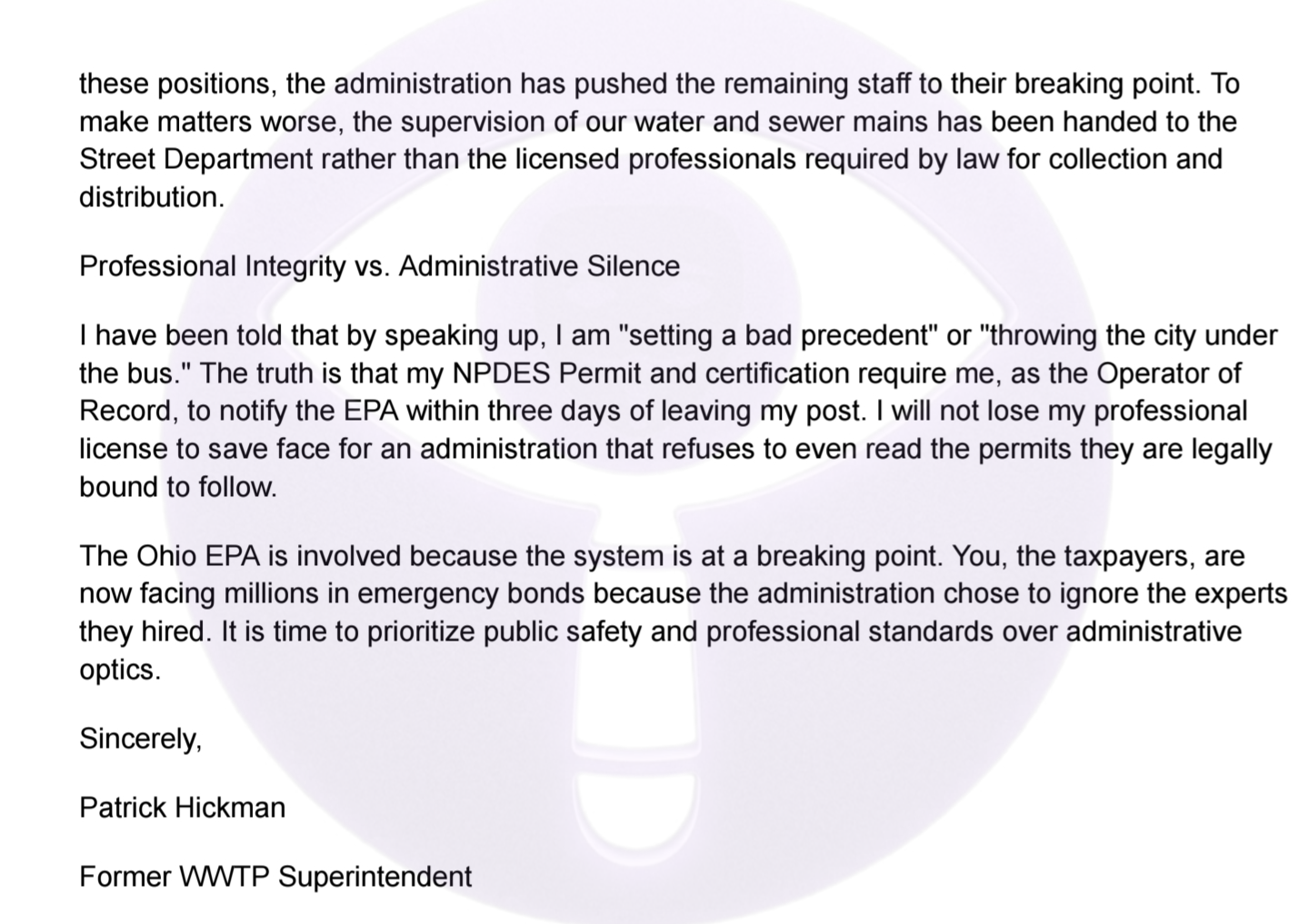
PATRICK HICKMAN CITY OF GALION EMPLOYEE FILE
Cross-Utility Cannibalization & Pretreatment Abandonment
Hickman’s Open Letter confirmed that Galion’s failing Water Treatment Plant actively violates municipal Ordinance 925.34 by dumping unpermitted, corrosive slugs of ferric chloride and lime directly into the sanitary sewer.
This cross-utility sabotage destroyed the WWTP’s 1954 anaerobic digester, which now vents explosive methane beside rusted 480V electrical panels.
Compounding this, Galion hit 0% industrial sampling in 2025.
Out of 1,500 approved pretreatment programs nationwide, fewer than 2% have ever recorded 0% sampling of their SIUs.
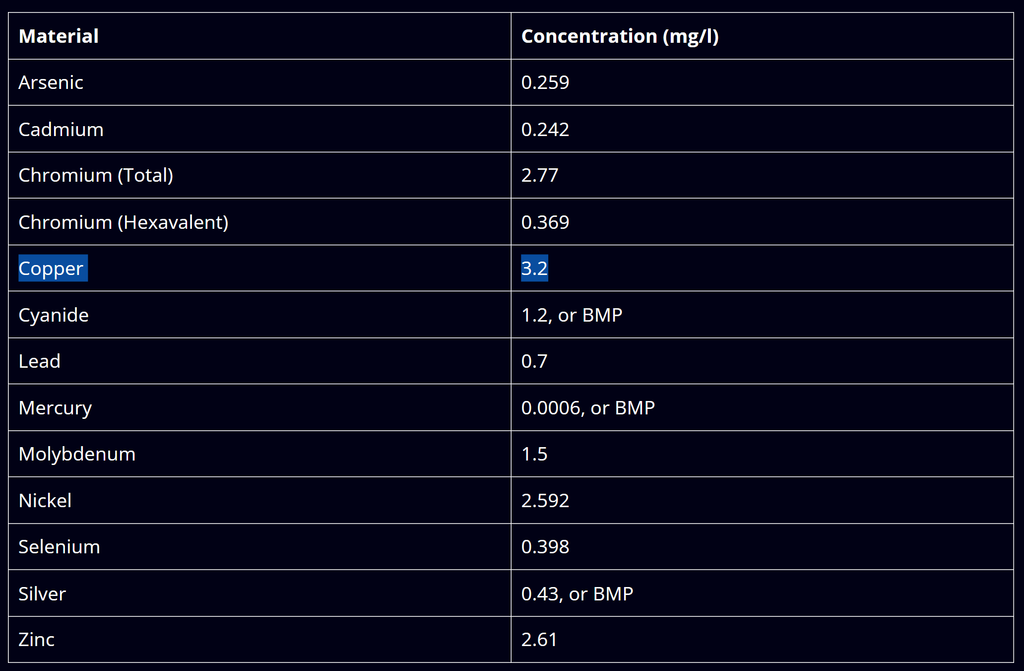
Galion operates under a 1990 Sewer Use Ordinance that permits copper dumping at 3.2 mg/L—nearly five times the state limit.
GALION PRETREATMENT AUDIT 8/14/26
Read more in “Toxic Tides: Galion’s Blind Spot”

GALION AMMAN PUMP STATION 8/12/26
GALION 1990’S ORDINANCE LEVELS SHOWING ILLEGAL COPPER LIMITS
Epidemiological Dilution, Accelerated Health Crises, & Manufactured Carcinogens
Because failing Water Treatment Plant clarifiers cannot filter raw organic matter before chlorination, the plant manufactures extreme levels of carcinogens. EWG data logged TTHMs at 485x health guidelines, and Hexavalent Chromium at 76x (1.52 ppb—exceeding the 1.19 ppb average baseline of the infamous Hinkley, California disaster).
In the Eighth Avenue area, the city bills residents a “Storm Water” fee on a street where storm sewers physically do not exist.
Read the full story in “Toxic Tides: Talking Trees & The Six-Dollar Sink”
EIGHTH AVE TREES SHOWING SYMPTOMS FROM SEWAGE EXPOSURE, STANDING WATER BELIEVED TO BE CONTAMINATED WITH SEWAGE, BASEMENT WITH SEWAGE DURING RAIN
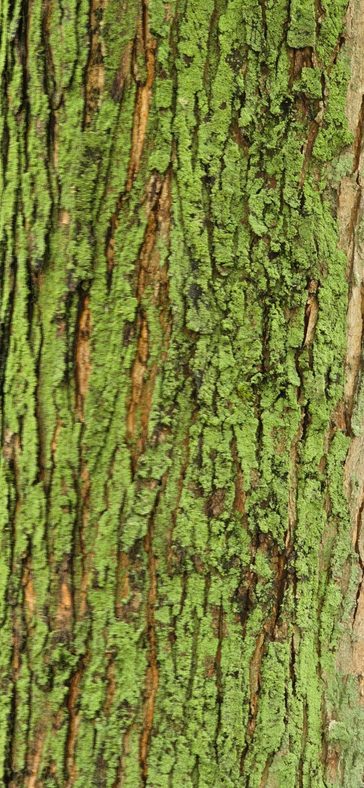
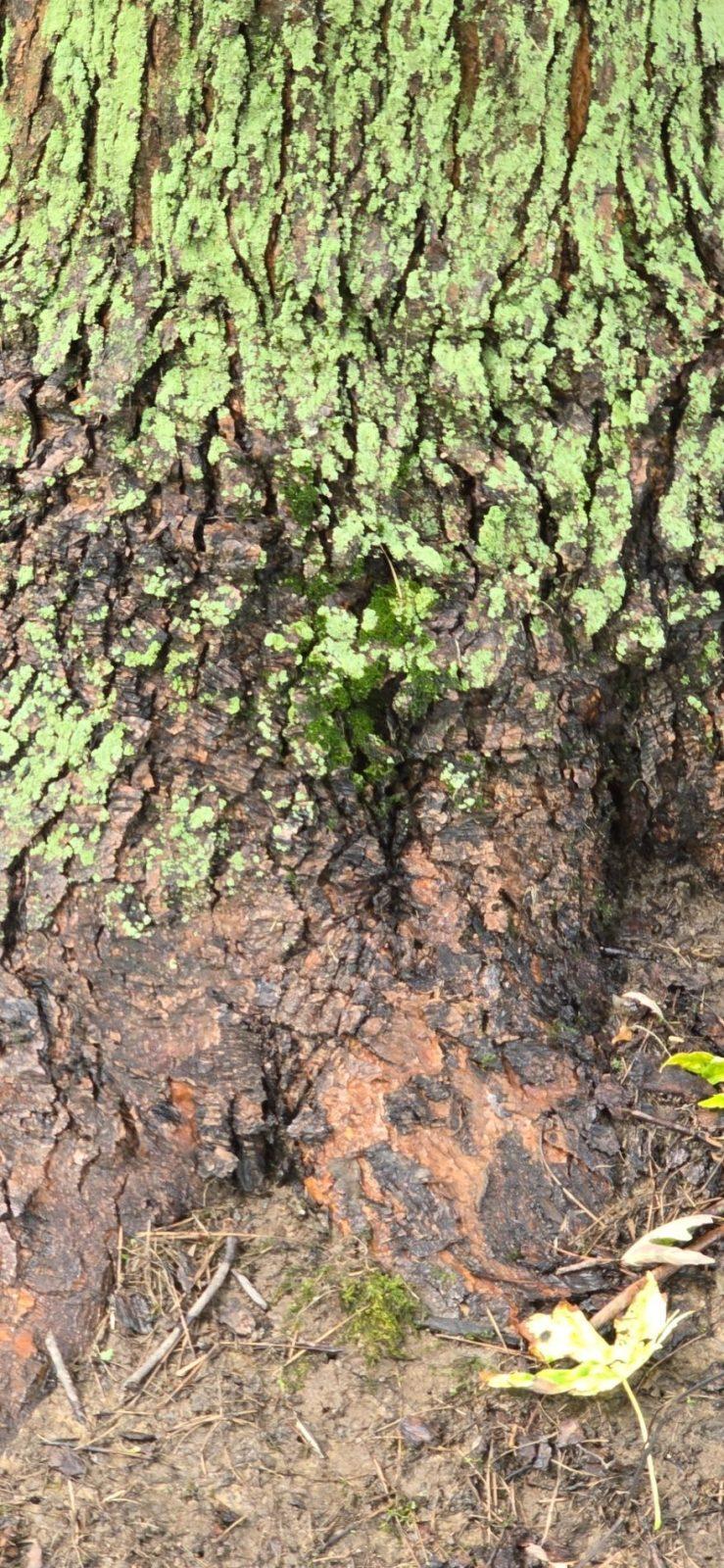
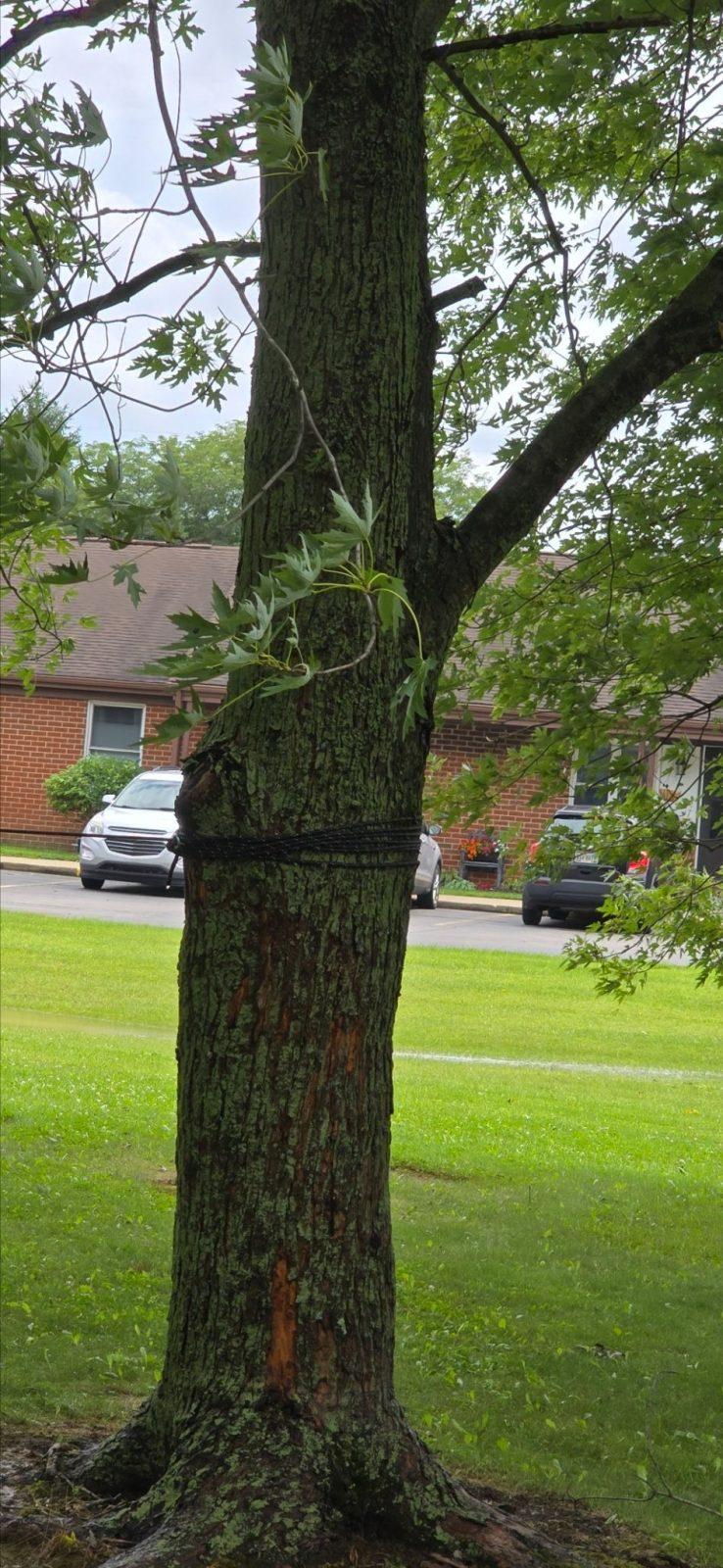
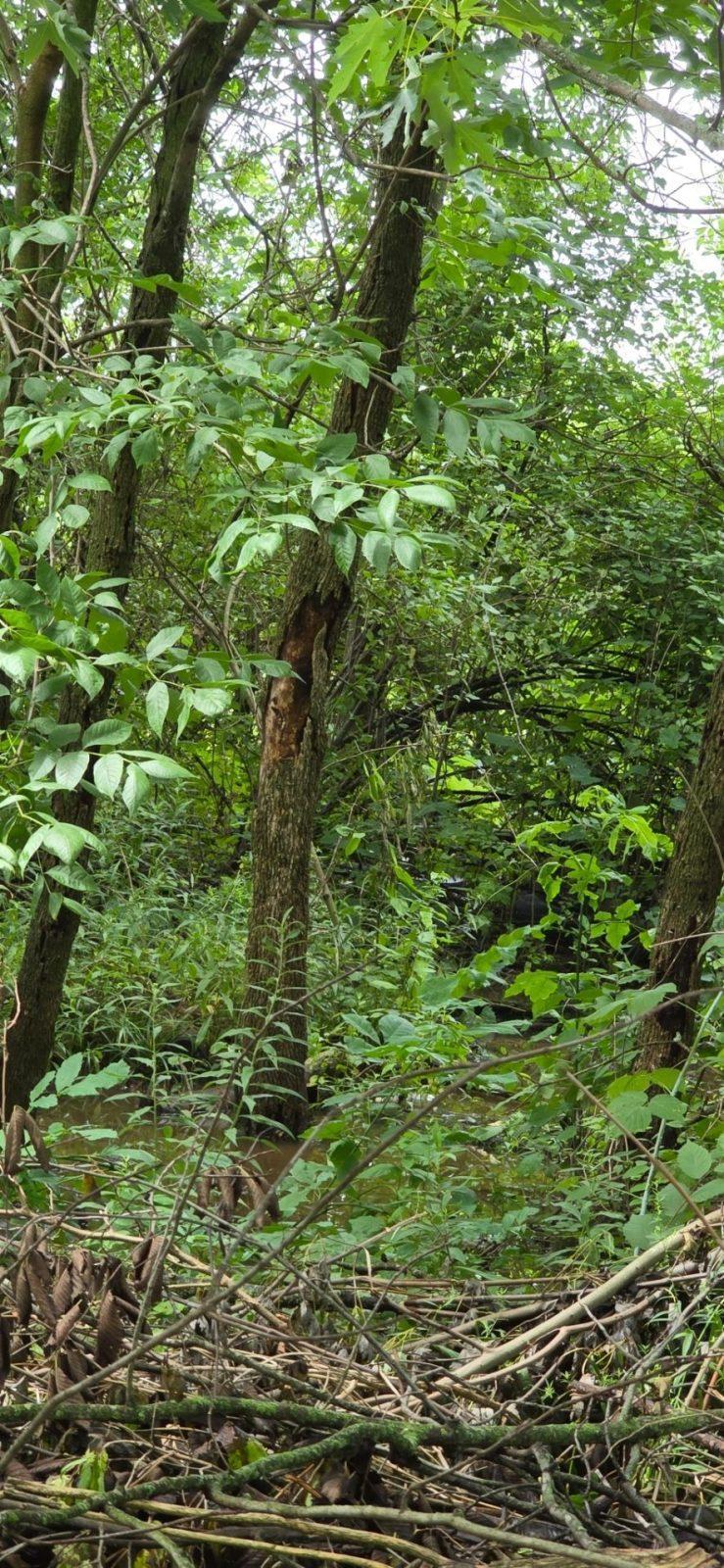
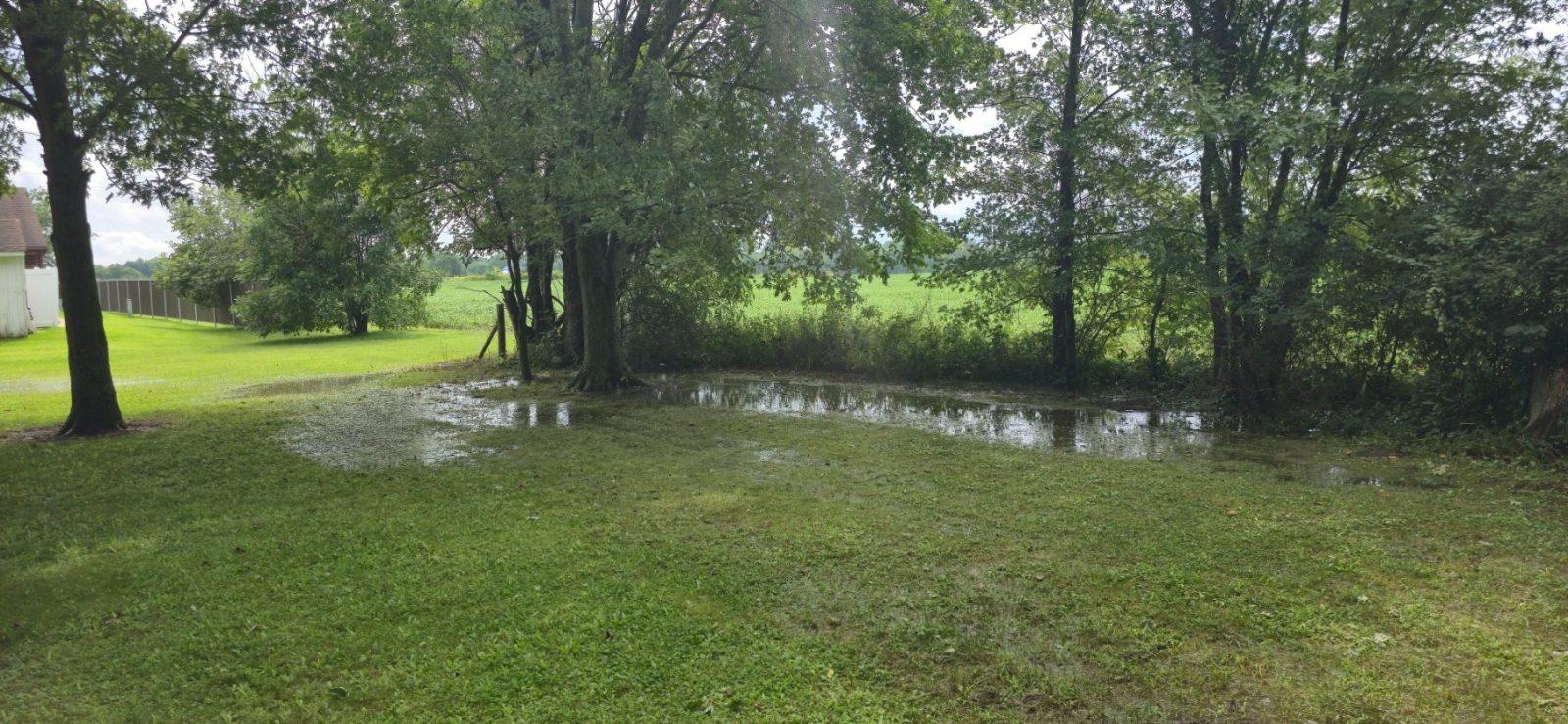
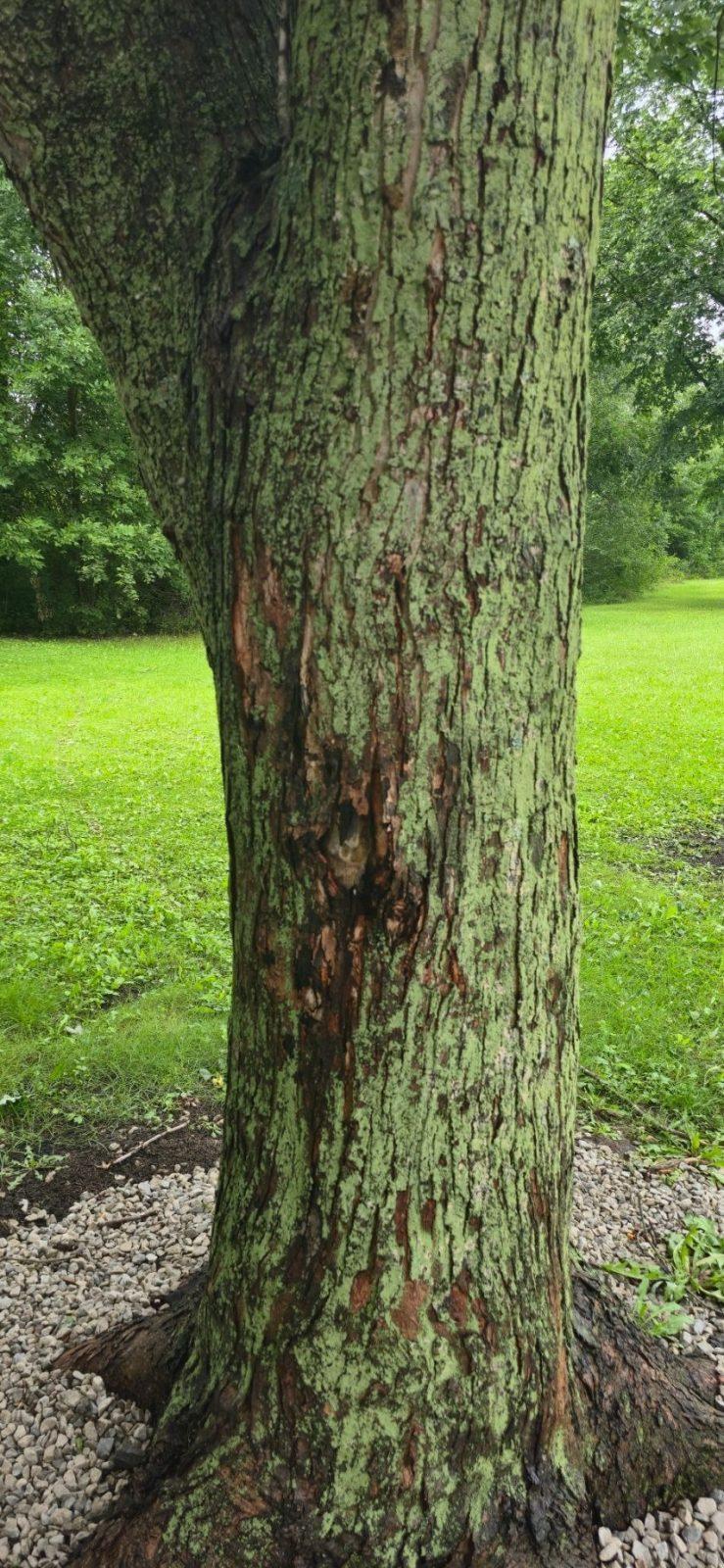
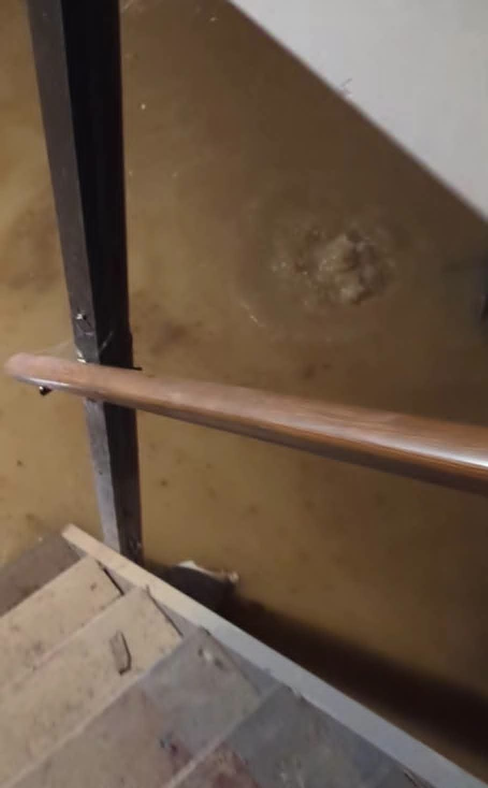

Behind the bureaucratic failures of unexercised valves and falsified permits lies the true human cost of Galion’s utility collapse: a localized public health crisis defined by manufactured waterborne carcinogens, toxic sewage-breached residential foundations, and a pattern of rapid, severe health declines among residents.
When chronic raw sewage overflows mix with agricultural runoff in residential yards, contaminated standing water breaches foundations, off-gassing volatile organic compounds (VOCs) and dangerous pathogens directly into living spaces.
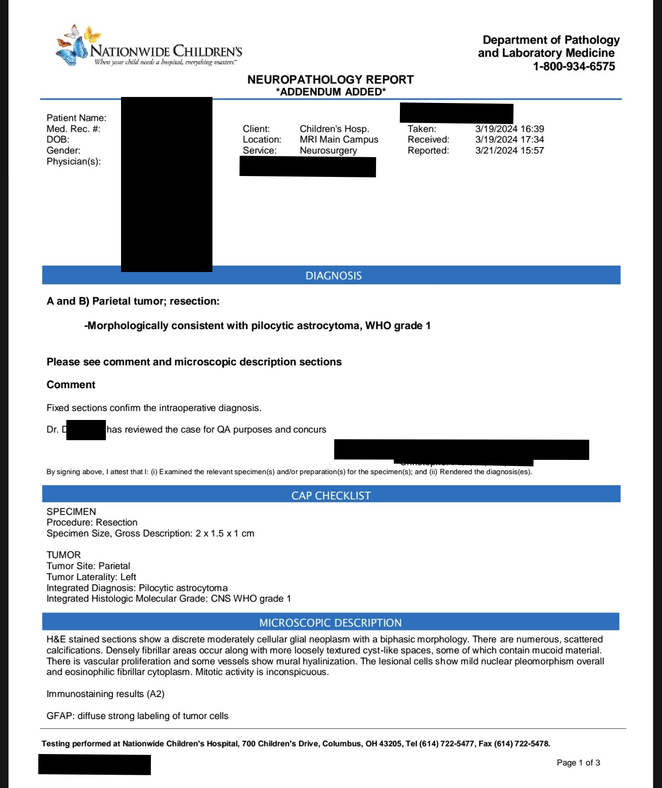
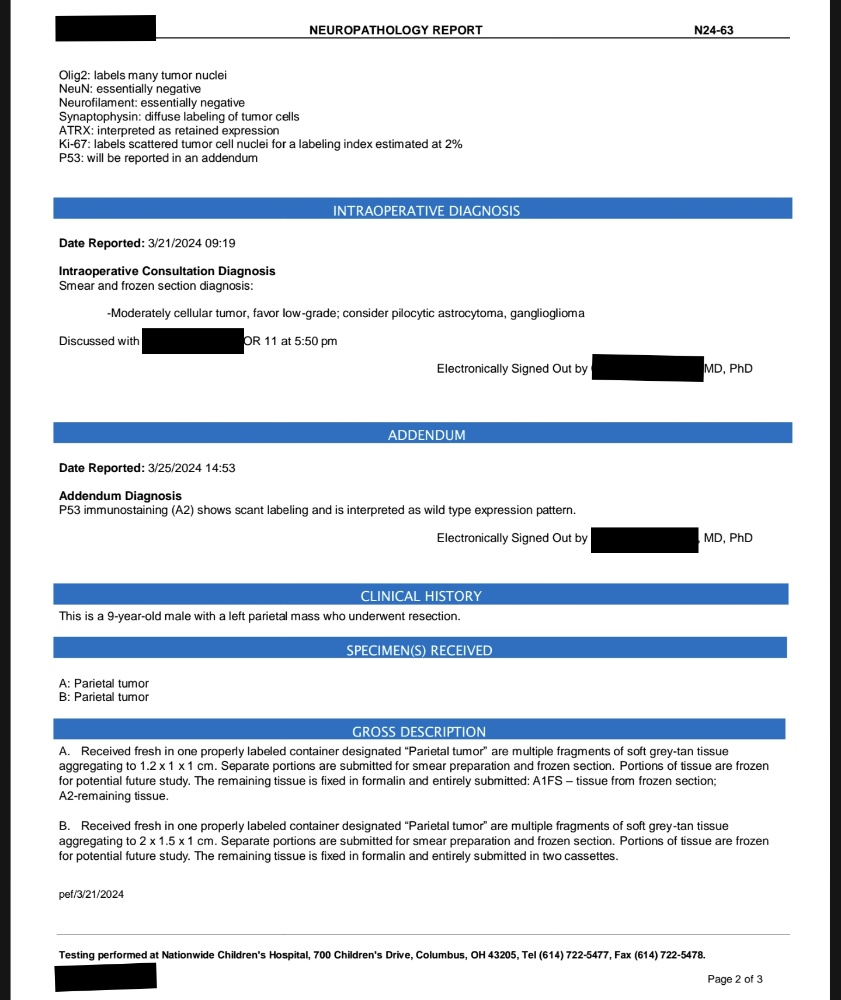
This environmental toxicity hits hardest inside the home of a young child who moved to Galion as an infant in 2015 with no serious prior health issues, only to undergo surgical resection at Nationwide Children’s Hospital on March 19, 2024, for a left parietal tumor definitively diagnosed as a CNS WHO Grade 1 pilocytic astrocytoma.lead testin
This specific pediatric brain tumor variant is deeply significant within Galion’s crisis: children ingesting or absorbing chronic, low-dose neurotoxins and extreme disinfection byproducts (like TTHMs at 485x health guidelines) during critical windows of neural development have more permeable blood-brain barriers, making them uniquely vulnerable to glial cell proliferation and oncogenesis in the central nervous system.
This case is not an isolated anomaly, but one of several similar neurological anomalies cataloged across the immediate neighborhood.
Beyond these pediatric tumor clusters, Marion Watch’s ongoing public health tracking has cataloged a disturbing concentration of severe autoimmune disorders and chronic gastrointestinal diseases, including but not limited to Crohn’s Disease, ulcerative colitis, lupus, severe thyroid dysfunctions, and Behçet’s Disease, alongside unexplained neurological decline among citizens.
A striking epidemiological pattern has emerged within this data: a large proportion of these affected residents are not lifelong locals, but individuals who relocated to Galion within the last 15 years.
These families report that perfectly manageable baseline health conditions or completely asymptomatic states rapidly and drastically accelerated into debilitating chronic illnesses about 10 years after connecting to the city’s municipal water and sewer grid—the exact toxicological latency window for chronic chemical accumulation and systemic immune dysregulation.
Local tracking in the 44833 zip code indicates kidney cancer incidence is nearly 35% higher than the Ohio average, while bladder cancer is 31% higher—primary biomarkers for chronic ingestion of TTHMs, PFAS, and heavy metals.
Yet state health reports systematically blend Galion’s 10,400 residents on a failing industrial grid with 30,000 rural county residents to artificially widen the margin of error and mathematically dilute the data. It is the exact same geographic washout state officials used in the 1980s to dilute Harvard epidemiologist Dr. Theodore H. Ingalls’ study linking Galion’s Fairview Avenue Multiple Sclerosis cluster (30–40 cases) to industrial cadmium and hexavalent chromium.
As if that wasn’t bad enough, state officials reportedly lost the citizen-compiled medical records required to prove the crisis.
GALION PEDIATRIC TUMOR
The Ohio EPA’s Regulatory Shield
If Galion’s data perfectly mirrors the catastrophic falsifications of Washington D.C., Sebring, Benton Harbor, and Flint, why hasn’t the U.S. Department of Justice intervened?
Because the Ohio EPA just executed a bureaucratic maneuver to hide Galion from federal prosecutors.
The state is well aware of the decay.
In a June 4, 2026 Notice of Violation, the Ohio EPA handed the Galion Water Treatment Plant a 24-point failure list carrying potential civil penalties of up to $25,000 per day.
The list documented cracked concrete on Clarifier 2, algae on launders, failed lime slaker valves, leaking caustic soda bulk tanks, missing jar testing, and a mandate to completely demolish the Amann Raw Water Pump Station to the foundation.
And when the city missed mandatory deadlines in its federal wastewater permit’s Schedule of Compliance, the federal ICIS-NPDES computer system automatically tripped an alarm, flagging the facility in Significant Noncompliance (SNC). Galion had blown past its April 2024, April 2025, and April 2026 federal construction and engineering milestones.
But rather than issuing formal enforcement orders to fix the pipes, the Ohio EPA Northwest District staff explicitly coached Galion in a July 1, 2026 inspection report to apply to remove the schedule from its federal permit.
Read the full breakdown in “Toxic Tides III: How Ohio EPA Sanitized Galion’s Chronic Sewage Bypasses”
GALION EPA NOTICE OF VIOLATION JUNE 4, 2026
Read more in “When the Receipts Don’t Match the Words”
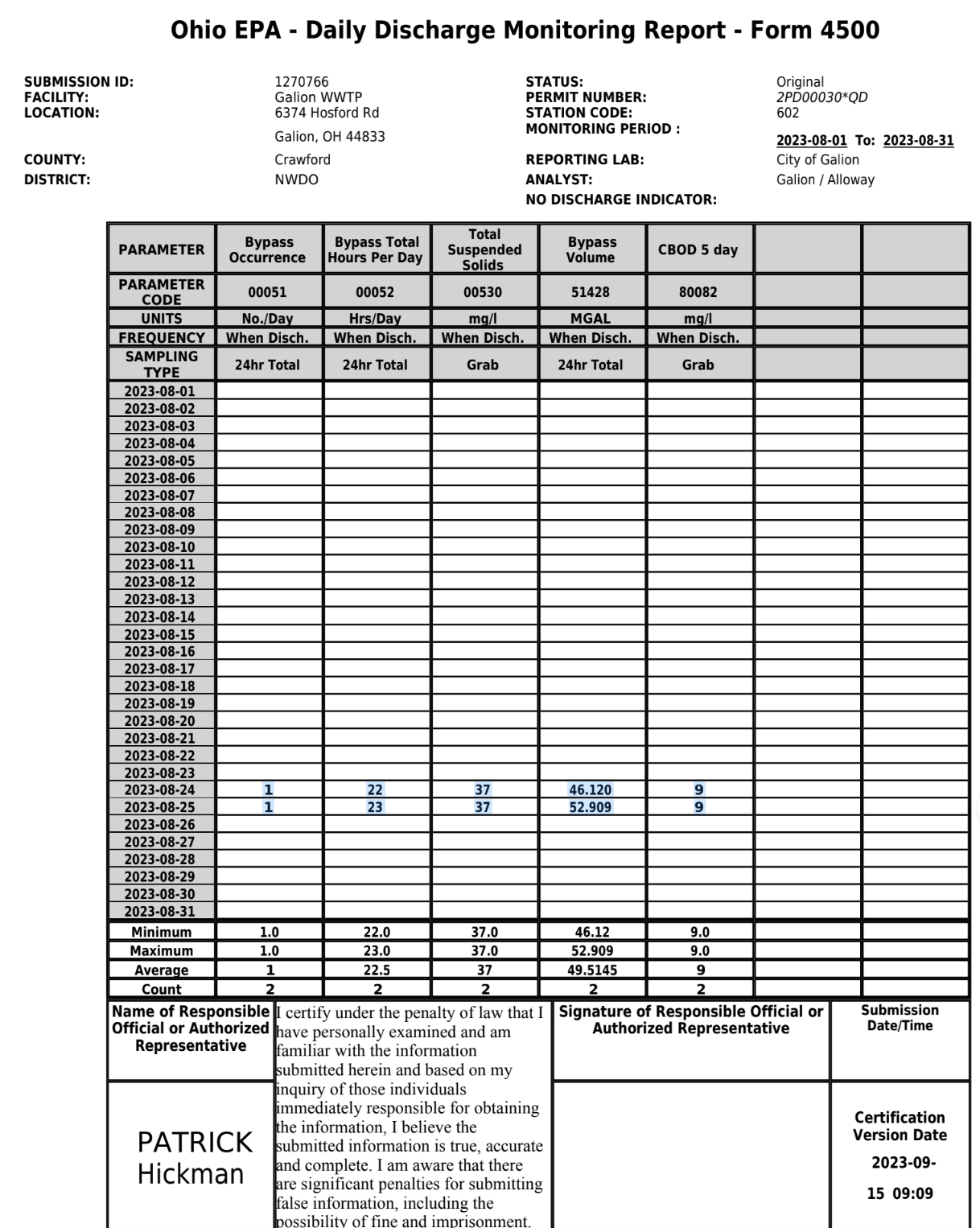
- In August 2023, single-day bypasses hit 46.12 MG and 52.909 MG.
- In April 2025, the facility bypassed well over 200 million gallons of partially treated sewage, with daily discharges reaching 74.42 MG on April 5 and 70.96 MG on April 6.
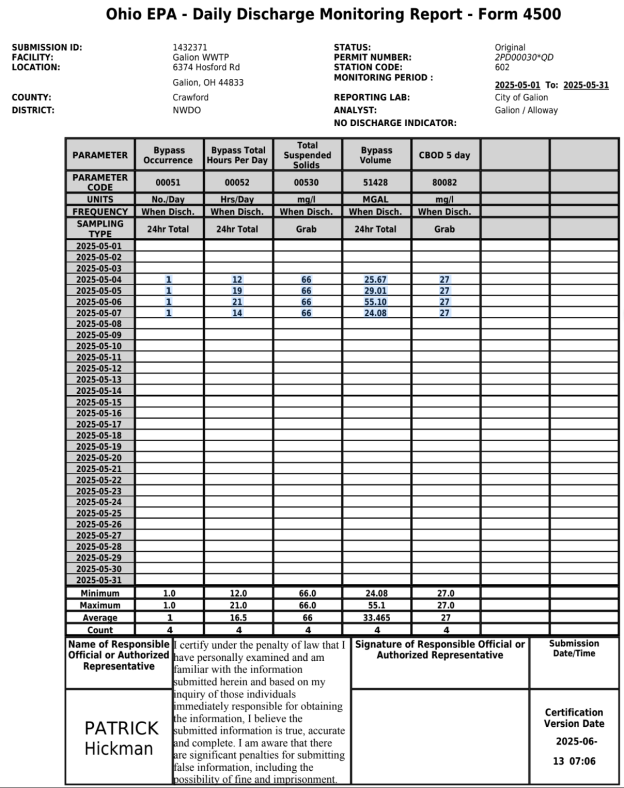
- In May 2025, sustained overloading resulted in consecutive daily bypasses of 25.67 MG, 29.01 MG, 55.10 MG, and 24.08 MG.
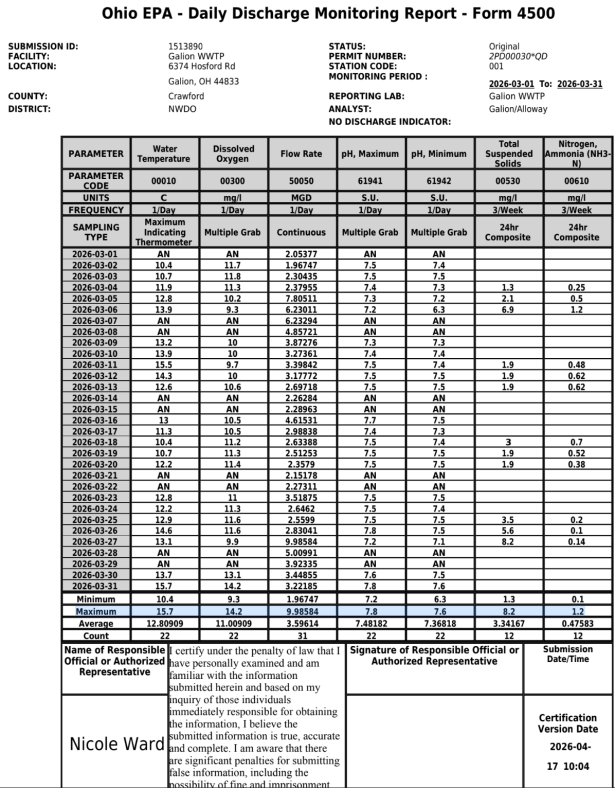
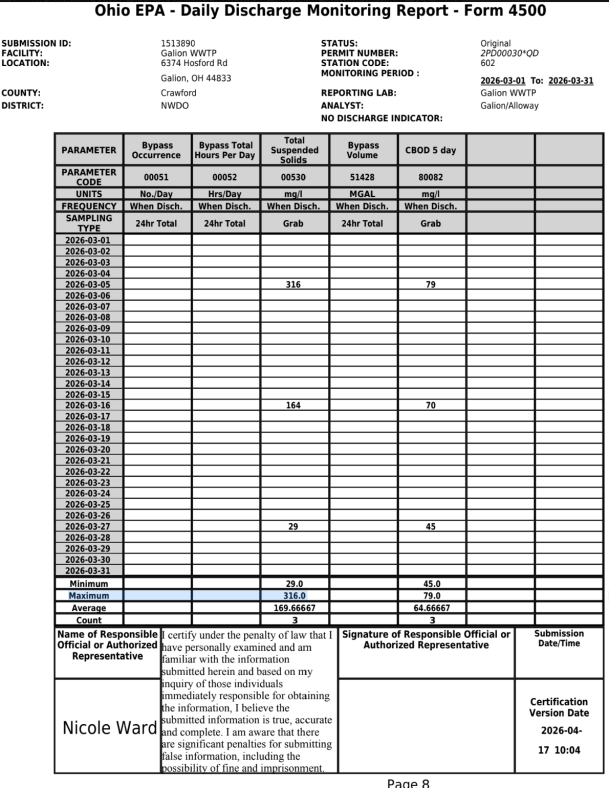
- In March 2026, effluent volumes reached 9.98 MGD, logging a Total Suspended Solids (TSS) bypass peak of 316 mg/L.
- In April 2026, the plant saw flows hit 11.31 MGD, resulting in millions of gallons bypassing the system over consecutive days.
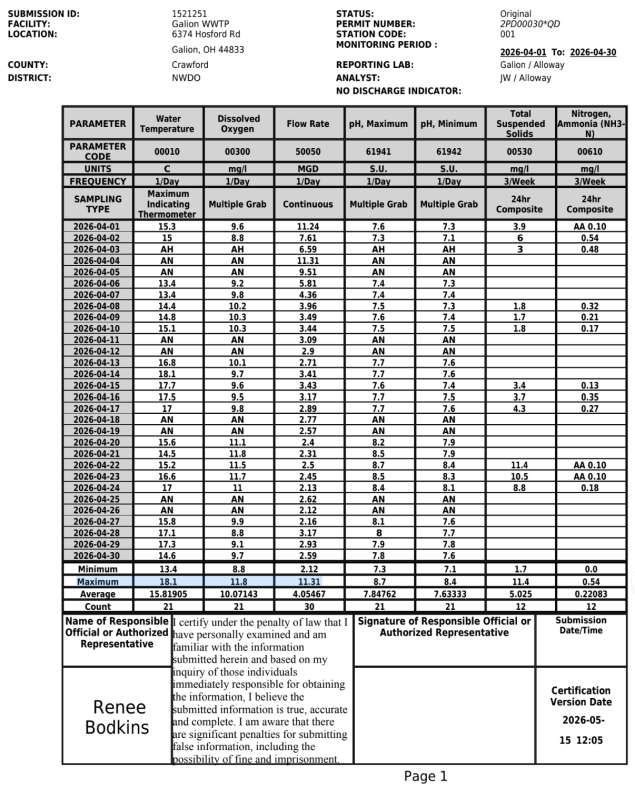
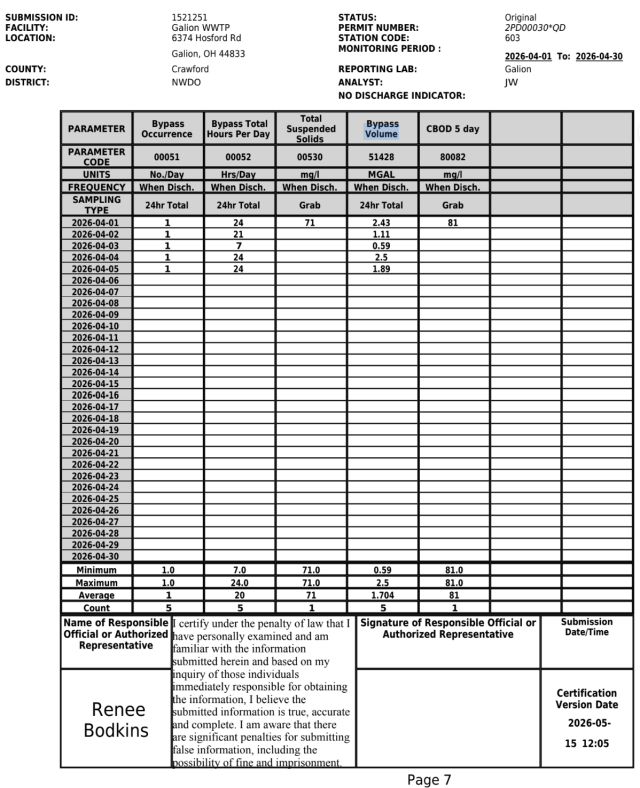
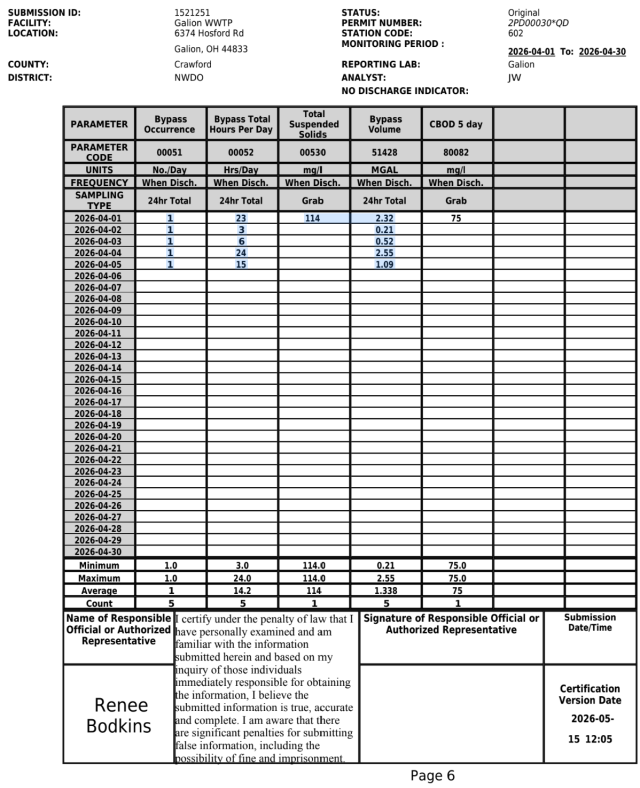
Read “The Paperwork Prophecy: Regulatory Shield Confirmed”
GALION, OHIO INSPECTION REPORT JULY 1, 2026
In the formal modification application submitted by newly hired WWTP Superintendent Renee Bodkins, the administration admitted its motive in writing: “Requesting that the Schedule of Compliance be removed from the permit to keep Galion out of significant noncompliance.”
On September 25, 2026, Ohio EPA Director John Logue journalized Permit Modification 2PD00030*RD (effective October 1, 2026). On Page 5 of the accompanying Fact Sheet, the state certified a series of blatant, mutually exclusive administrative contradictions to force this maneuver through:
- The “100% Separate” Lie & The Rain-Triggered Proof: The state’s Fact Sheet officially declares that “The City of Galion has 100% separate sewers”—a physical impossibility completely unmasked by the weather. In a truly separate system, rainwater never enters sanitary pipes. Yet Galion suffers massive, millions-of-gallons-per-day raw sewage surges exclusively when it rains (peaking at 11.36 MGD and over 200 million gallons in wet-weather bypasses). This massive volume proves that stormwater is flooding the sanitary lines, a fact visually confirmed by Wessler Engineering smoke testing that shot thick smoke straight out of municipal street storm grates.
- The Bypassing Contradiction: While claiming the system is completely separated to excuse stormwater infiltration, the state simultaneously codifies permanent, unmitigated bypass structures at Station 602 (> 8.5 MGD set-in-place weir with zero operator adjustments) and Station 603, which dump raw, untreated sewage directly into the Olentangy River headwaters during every major storm.
- The Industrial Stormwater Whitewash: Just weeks prior, on September 3, 2026, the Ohio EPA approved a “No Exposure Certification” (NOE) to terminate industrial stormwater permitting, legally certifying that zero industrial waste is exposed to stormwater—while state inspectors on the ground concurrently documented a municipal catch basin choked solid with industrial waste.
By stripping these milestones out of the federal permit and shifting them into a localized state-level Director’s Final Findings and Orders (DFFO)—which quietly pushed the engineering deadline back to June 2027 while holding a 47,990 civil penalty in abeyance (27,990 for the NFA analysis and $20,000 for project implementation)—the Ohio EPA successfully unplugged the federal alarm.
More maliciously, this maneuver acts as a lawsuit shield.
By removing the schedules from the federal permit, the state effectively stripped Galion’s downstream citizens of their statutory right under Clean Water Act Section 505 (33 U.S.C. § 1365) to file a federal Citizen Suit in U.S.
District Court to enforce those deadlines.
Read more about the headwater dangers in “Twin Headwater Crisis”
EPA ENTERED DIRECTOR’S JOURNAL 9/25/26
GALION, OHIO EPA FACT SHEET
The Big Galion Citizen Question
A state-level DFFO is designed for Rank 2 municipalities experiencing minor construction delays.
Applying it to a Rank 6 (<0.05%) multi-statute collapse is possibly a blatant violation of federal anti-backsliding provisions (40 CFR § 122.62(a)(4) and CWA § 402(o)).
The paperwork in Columbus has been laundered to make Galion look compliant on federal dashboards, but the physical receipts remain.
At the explicit request of the Galion citizenry, Marion Watch Investigates has drastically escalated our approach and investigation of our small neighbor to expose the situation fully and ensure that the citizens understand the depth of the situation.
The Regulatory Shield may have bought municipal officials time in Columbus, but will it hold up in Washington?
Seasoned investigators on our team and in our network are confident that the answer will be NO.