

 Written by
A municipal utility bill is a contract.
But what happens when a city collects money for infrastructure that physically does not exist, effectively turning a residential yard into a retention basin for raw municipal effluent and agricultural runoff?
This is unfolding in the Eighth Avenue area of Galion, and many other areas. The property sits close to a municipal lift station and the Moccasin Run complex.
During heavy rain, when the city’s crumbling sewer network is overwhelmed by Inflow and Infiltration (I/I) surges, this station backs up, according to citizens who live nearby.
The city leverages a recurring monthly “Storm Water” fee of $6.00 against this residence and others, yet the street has no municipal storm drainage.
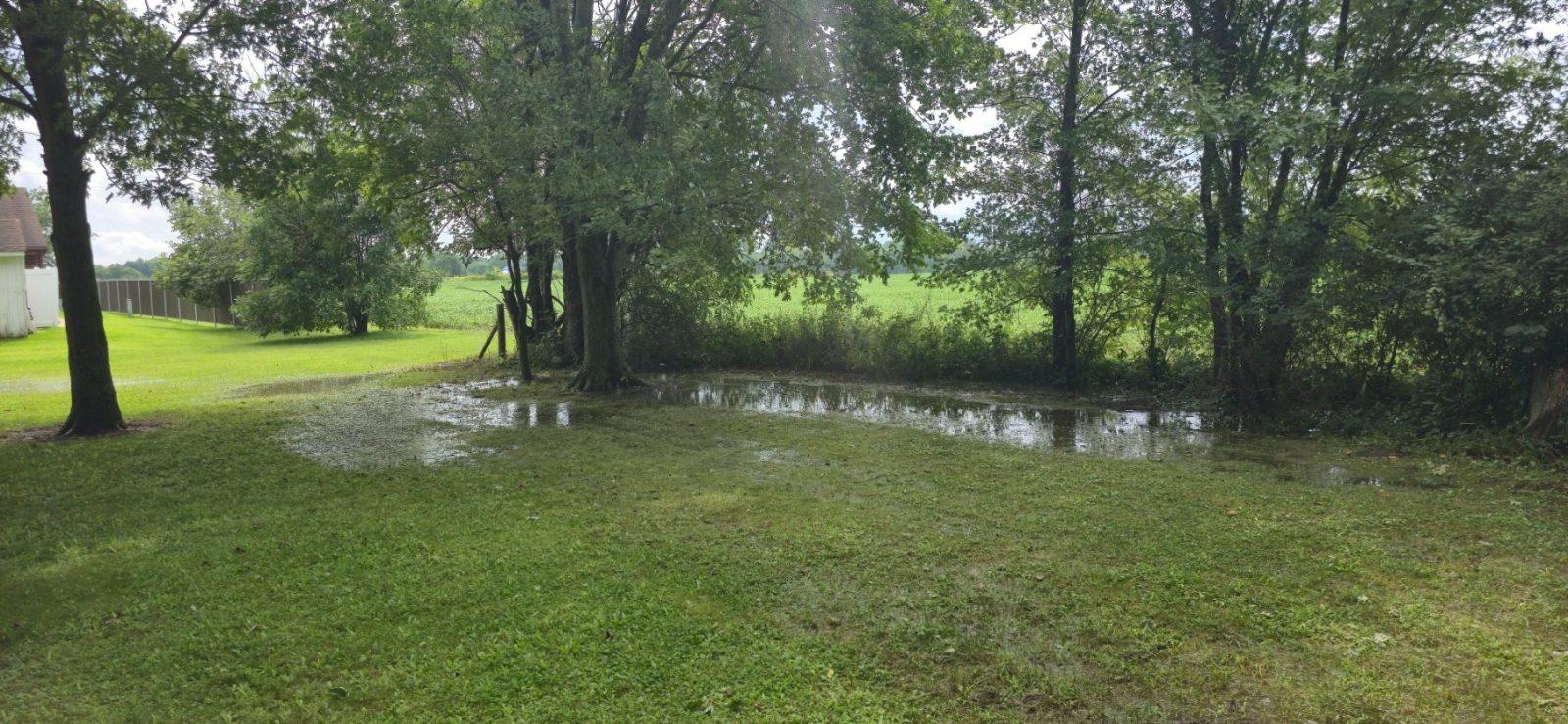
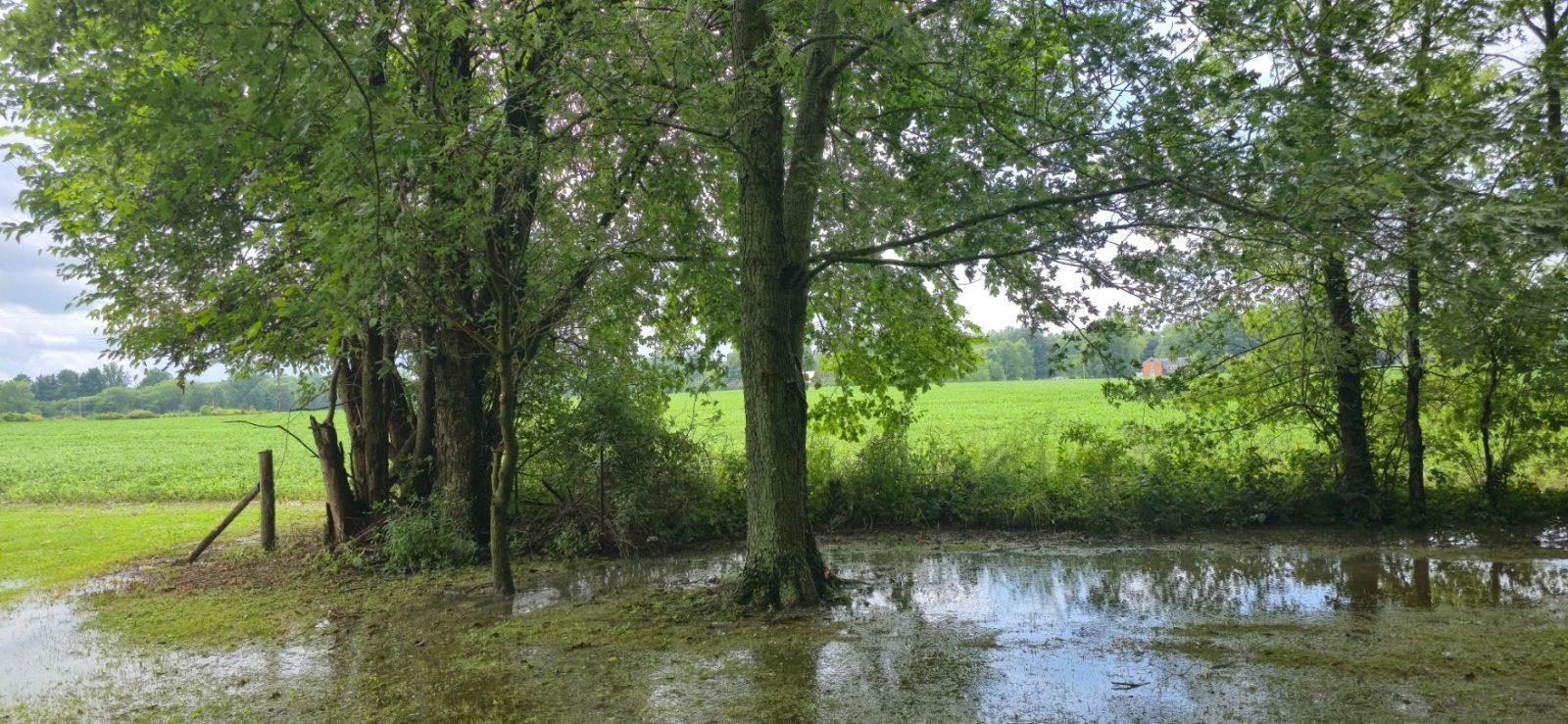
Because the street lacks storm sewers, there is no engineered escape route. When the lift station fails, raw municipal sewage pushed from a compromised citywide grid mixes directly with agricultural chemical runoff from adjacent farming tracts.
They pool together in the yard, and may be creating a highly toxic, mixed-chemical sink.
Marion Watch team members who visited this area last week noted a very strong foul smell.
The Trees Talk: Botanical Decay vs. The Moss Myth
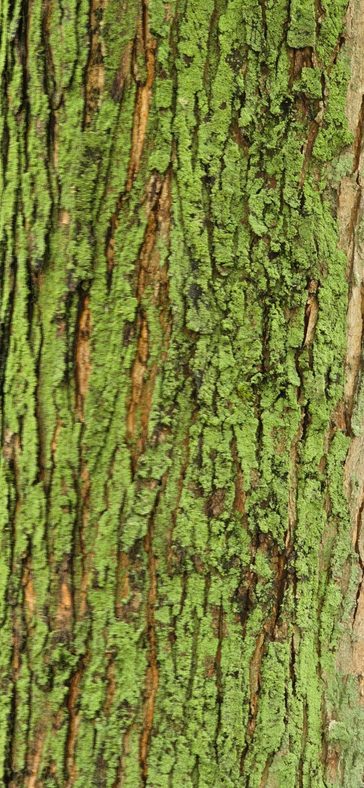
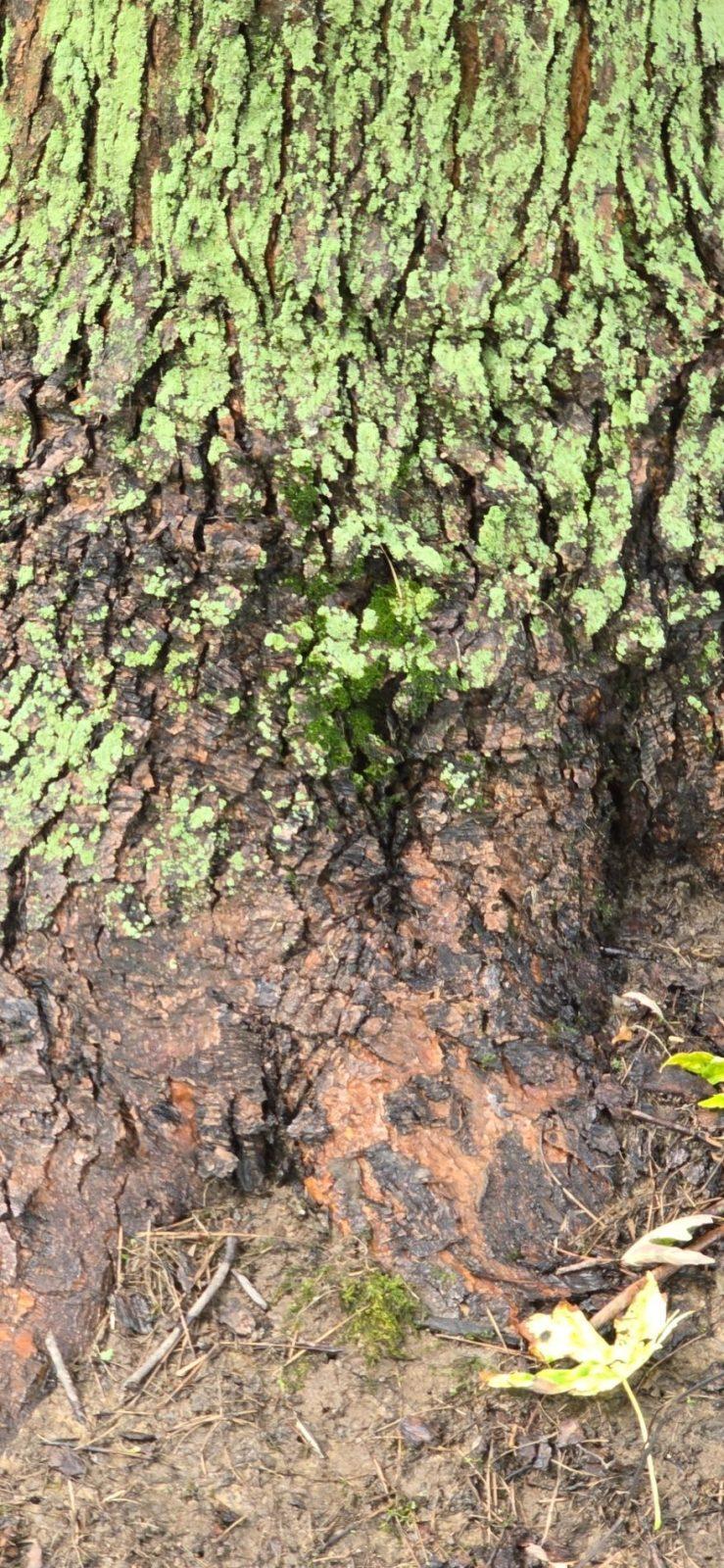
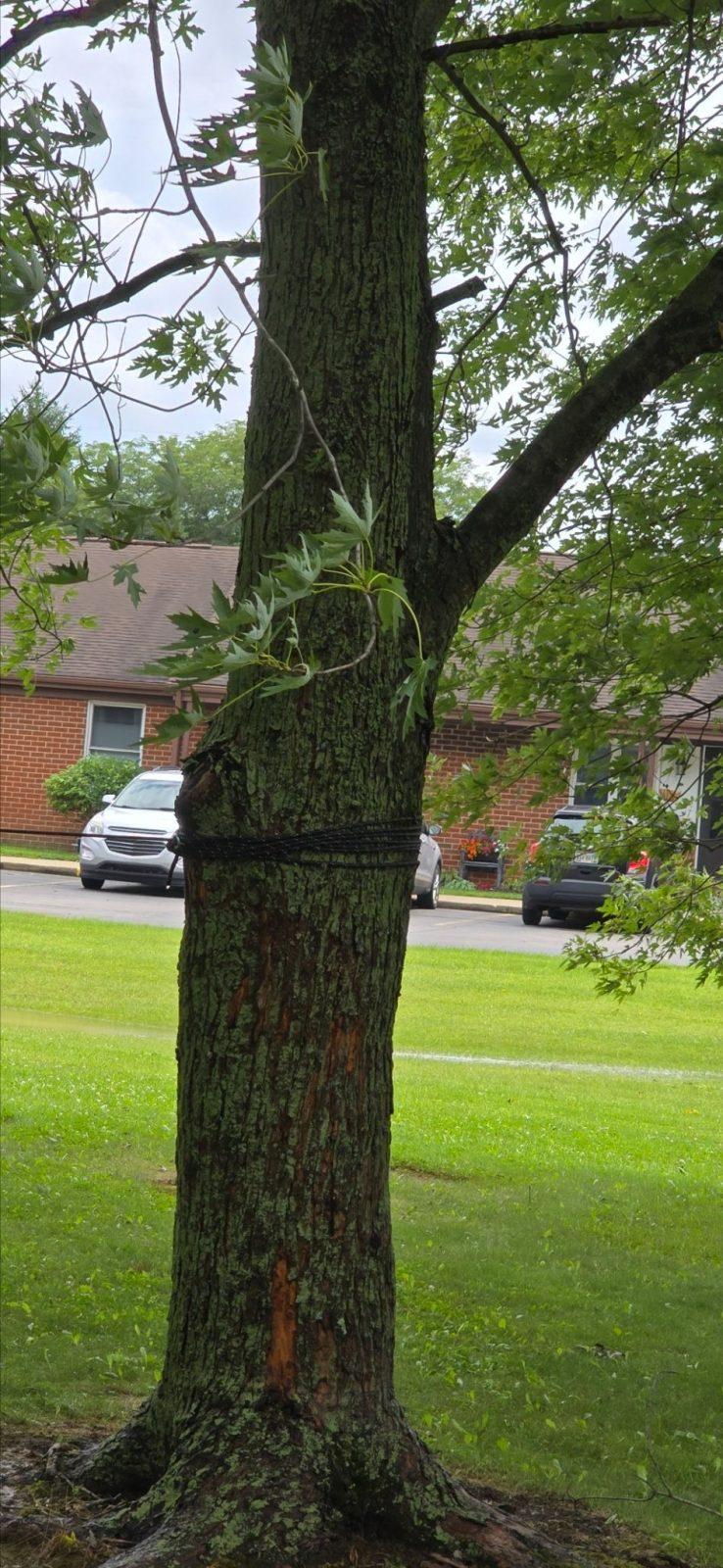
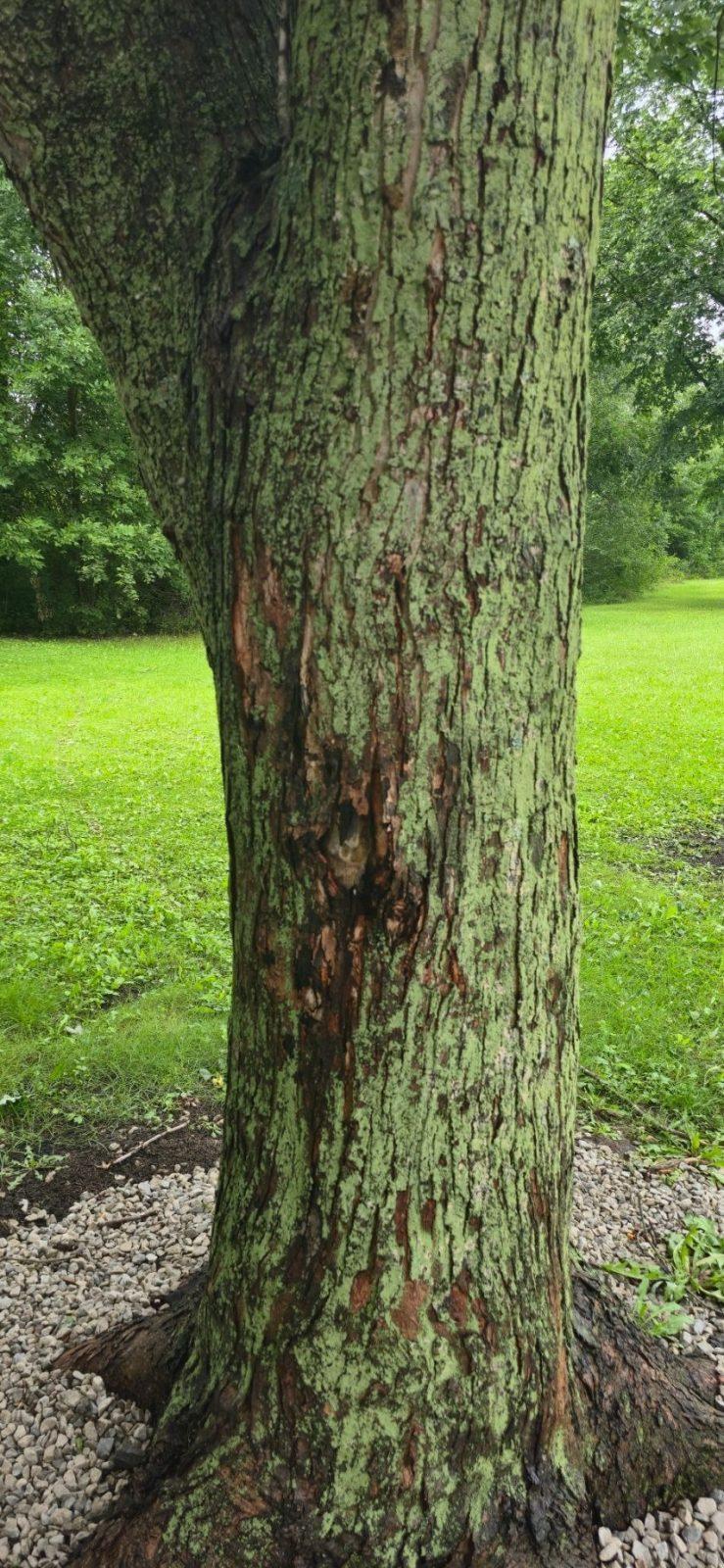
Casual observers often attempt to explain away the vibrant green scaling the trees in this exposure zone as “normal shade growth.” This represents a dangerous misunderstanding of environmental toxicology. Mature trees act as biological sentinels, and the maples in this area are exhibiting advanced symptoms of chronic environmental poisoning:
- Microclimate Stagnation: The unusually vibrant, neon-green powdery lichen scaling these trunks is a direct biomarker of hyper-eutrophication. The continuous evaporation of pooled, sewage-laced water creates a permanent, high-humidity boundary layer supercharged by nitrogen and phosphorus.
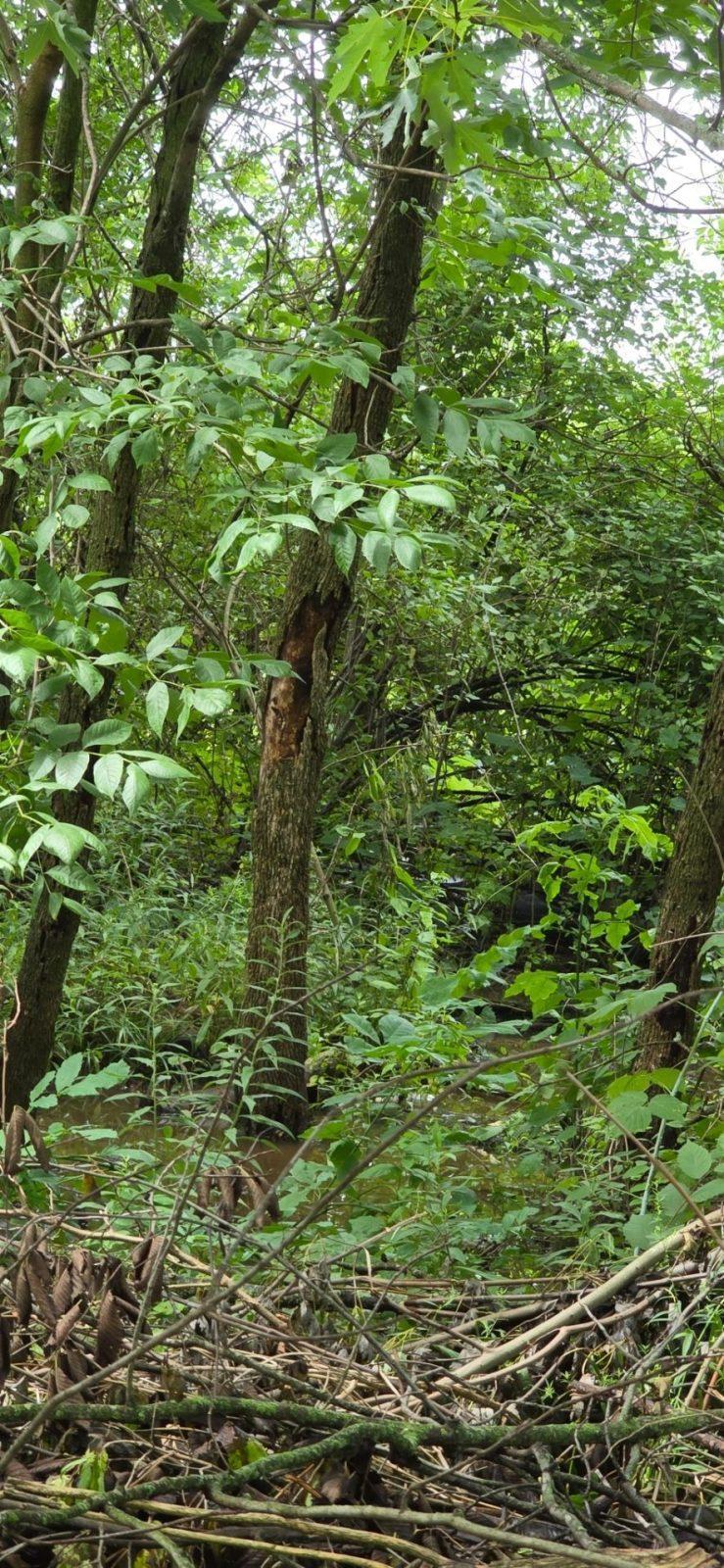
- Root Suffocation: Enteric bacteria within the raw sewage possess an extraordinarily high Biochemical Oxygen Demand (BOD). As they proliferate, they strip all available dissolved oxygen out of the soil profile, creating severe anaerobic conditions that physically suffocate and drown the critical root architecture.
- Corrosive Chemical Stripping: The dark, water-soaked discoloration rising vertically from the base of the trunks indicates advanced cambial necrosis. High concentrations of industrial surfactants, household chemicals, and elevated salt loads act as a chemical corrosive, burning the vascular cambium and resulting in massive bark sloughing.
- Pathogenic Water Molds: The chronic, nutrient-rich standing water creates a high-velocity vector for opportunistic water molds (Phytophthora). Because the tree’s root system is already immunocompromised by the anoxic soil, these pathogens easily destroy the primary anchor roots.
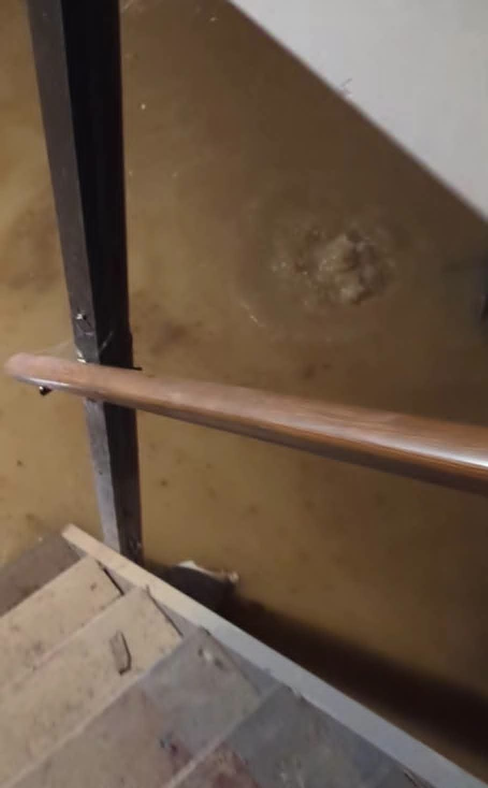
Contaminated water has breached foundation lines, shifting the exposure from an external hazard to a severe indoor inhalation threat. Stagnant water off-gasses Volatile Organic Compounds (VOCs) and aerosolized pathogens into the home.
One home in the area exhibiting these signs is the residence of a young child recovering from a resected brain tumor.
According to medical records obtained by Marion Watch, the tumor is a left parietal Pilocytic astrocytoma.
Industrial toxins permitted into the Galion grid may generate massive oxidative stress, mechanically degrading the blood-brain barrier.
For a pediatric patient, this sustained bombardment provides an epigenetic “second hit” capable of inducing pathological cellular mutations.
The “Double Hit” & The Math of Erasure
The physical decay at Eighth Avenue mirrors a much broader biological crisis across the municipality. According to the 2025 Ohio Department of Health Crawford County Cancer Profile and local epidemiological tracking, residents are facing a massive “toxic load.”
- Overall Mortality & Brain Tumors: The county’s cancer mortality rate sits at 182.5 per 100,000 (25% higher than the national baseline). Simultaneously, local analysis of Galion zip code 44833 shows pediatric brain tumor rates are double the expected rate, with at least 3 known cases currently existing.
- Kidney & Bladder Cancer: Kidney cancer incidence is nearly 35% higher than the Ohio average, while bladder cancer is 31% higher. These are primary markers for long-term exposure to heavy metals, PFAS, and Total Trihalomethanes (TTHMs).
- Unreported Conditions: Local medical analysis correlates higher regional instances of or severe increases in symptoms for Crohn’s Disease, Ulcerative Colitis, Thyroid Disease, Behçet’s Syndrome, amongst other disorders as direct environmental stress precursors linked to prolonged chemical ingestion.
Despite this devastating data, regional health surveys routinely report “no stand-out environmental commonalities.” The state achieves this erasure by weaponizing the mathematical margin of error through “statistical dilution.”
In epidemiology, an elevated cancer rate is rarely flagged unless it crosses a rigid threshold of “statistical significance.” To ensure Galion’s localized spikes never trigger this alarm, the state aggregates data across all of Crawford County. This intentionally blends Galion’s roughly 10,000 residents living on a decaying industrial grid with over 30,000 residents in sprawling, unaffected rural townships.
This mathematical flattening artificially widens the margin of error, allowing staggering 30-35% spikes in environmentally driven cancers to be administratively dismissed.
This is the established bureaucratic playbook. In the 1980s, when Harvard epidemiologist Dr. Theodore Ingalls proved Galion’s Fairview Avenue Multiple Sclerosis cluster was driven by industrial cadmium and hexavalent chromium, the state utilized this exact geographic washout, expanding the study’s scope into rural areas specifically to dilute the hyper-localized MS rate.
Ultimately Dr. Ingalls was dismissed by state officials, after they claimed to have lost the citizen gathered medical data and records.
The rotting trees and recovering child on Eighth Avenue are modern victims of this ongoing systemic erasure.
The “Regulatory Shield” Ends
This exposure zone stems from a city-wide infrastructure collapse. Recent audits include:
- Cross-Contamination: Smoke testing confirms sanitary sewage and stormwater systems are actively leaking into each other.
- Toxic Copper Limits: The city’s outdated 1990 Sewer Use Ordinance incorrectly allows local copper discharges at nearly five times the legally approved limit.
- $41.63 Million in Decay: The wastewater plant requires massive capital repairs, including rotting 1954 anaerobic digesters.
Rather than aggressive enforcement, state regulators actively coached the city on utilizing administrative loopholes to erase its Significant Noncompliance (SNC) status. Regulators sanitize the paperwork while families bear the physical and financial cost.
However, despite this obvious shielding maneuver, recent revelations show that the Ohio EPA’s 2026 direct boots-on-the-ground enforcement accounts for approximately 85% of their acute involvement over the past 11 years. Whistleblowers and relentless independent reporting have dragged the unredacted receipts into the public domain. It is crystal clear that the administrative shield era is finally over.