


 Written by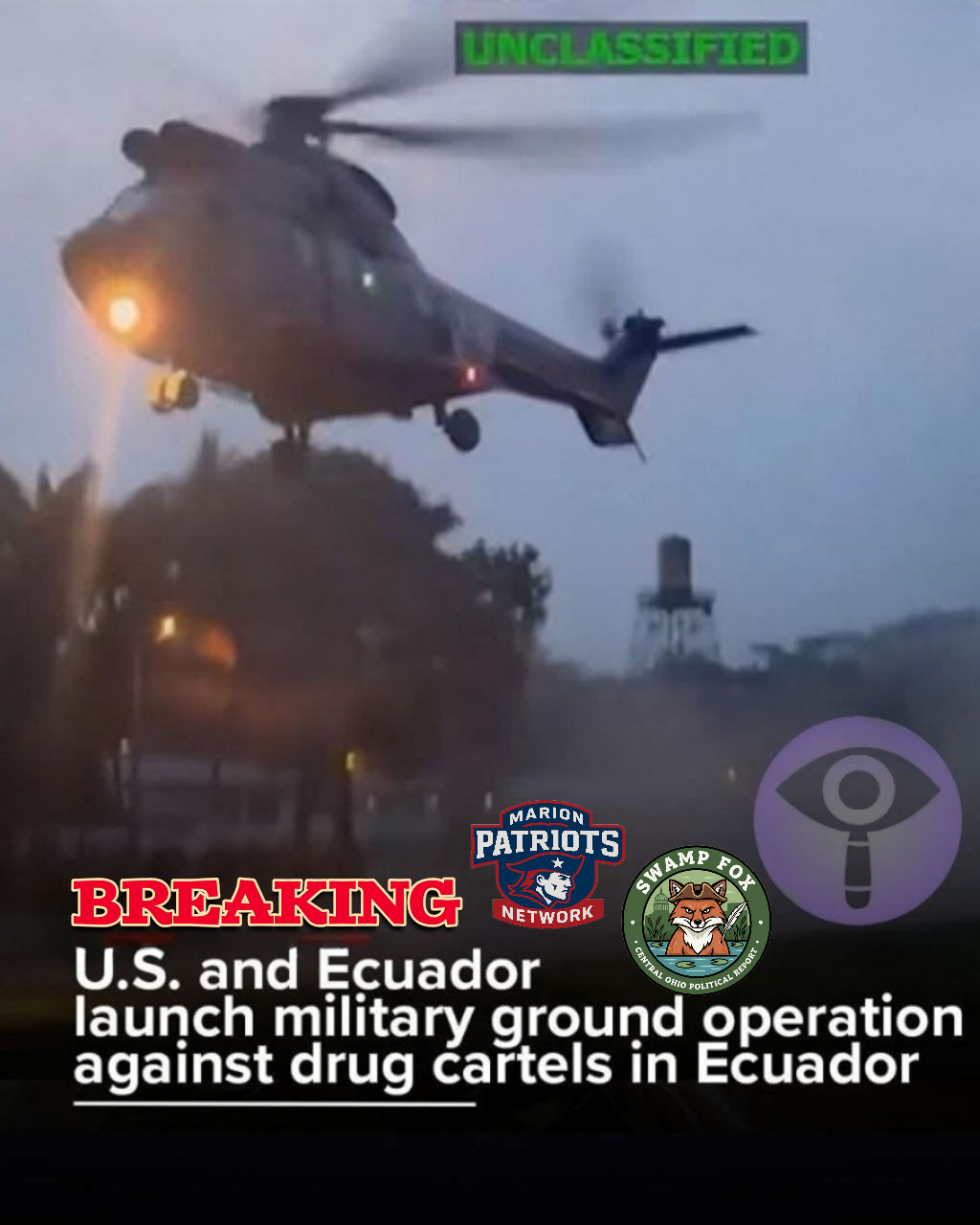
In a historic escalation of regional security operations, U.S. Southern Command (SOUTHCOM) announced on March 3, 2026, that American and Ecuadorian forces have officially begun joint missions targeting Designated Terrorist Organizations operating inside Ecuador.
This follows a dramatic surge in cartel‑driven violence that has transformed Ecuador from one of South America’s most stable nations into a major hub for global cocaine trafficking.
What Is Happening on the Ground?
While some online graphics describe a “ground operation,” official reporting clarifies the exact U.S. role:
- Advisory and Support Only — ABC News and the New York Times report that U.S. Special Forces are on the ground in Ecuador in an advisory, intelligence, and planning capacity.
- No Direct Combat — The Pentagon states that American troops are not participating in raids or firefights. All kinetic ground and airlift operations are being carried out by Ecuadorian forces.
- Strategic Escalation — This is the first time the U.S. has taken part in land‑based joint operations in this campaign. Prior U.S. involvement focused on lethal maritime interdictions and aerial surveillance targeting drug‑smuggling vessels.
The “New Phase” of the Conflict
Ecuadorian President Daniel Noboa has described this as a new phase in the war against narco‑terrorism and illegal mining. The joint effort—reportedly named Operation Southern Spear—was finalized after a high‑level meeting in Quito between President Noboa and Marine Gen. Francis L. Donovan, commander of SOUTHCOM.
“Together, we are taking decisive action to confront narco‑terrorists who have long inflicted terror, violence, and corruption on citizens throughout the hemisphere.”
— U.S. Southern Command, March 3, 2026
Why the Shift?
Ecuador ended 2025 with its highest homicide rate in recorded history, driven by cartel infiltration of ports, assassinations, and violent prison uprisings.
In response, the U.S. administration designated several Ecuador‑based cartels as foreign terrorist organizations, opening the door to deeper military‑to‑military cooperation and intelligence sharing.
Current Status
- Scope — Operations are active, but exact locations remain classified due to ongoing raids and counter‑terror missions.
- Curfews — President Noboa has ordered new curfews beginning mid‑March in the most violent provinces, including Guayas and Los Ríos.
- Regional Impact — The move signals a broader U.S. policy shift toward direct, on‑the‑ground cooperation with Latin American governments to disrupt narcotics pipelines before they reach Central America and the U.S. border.